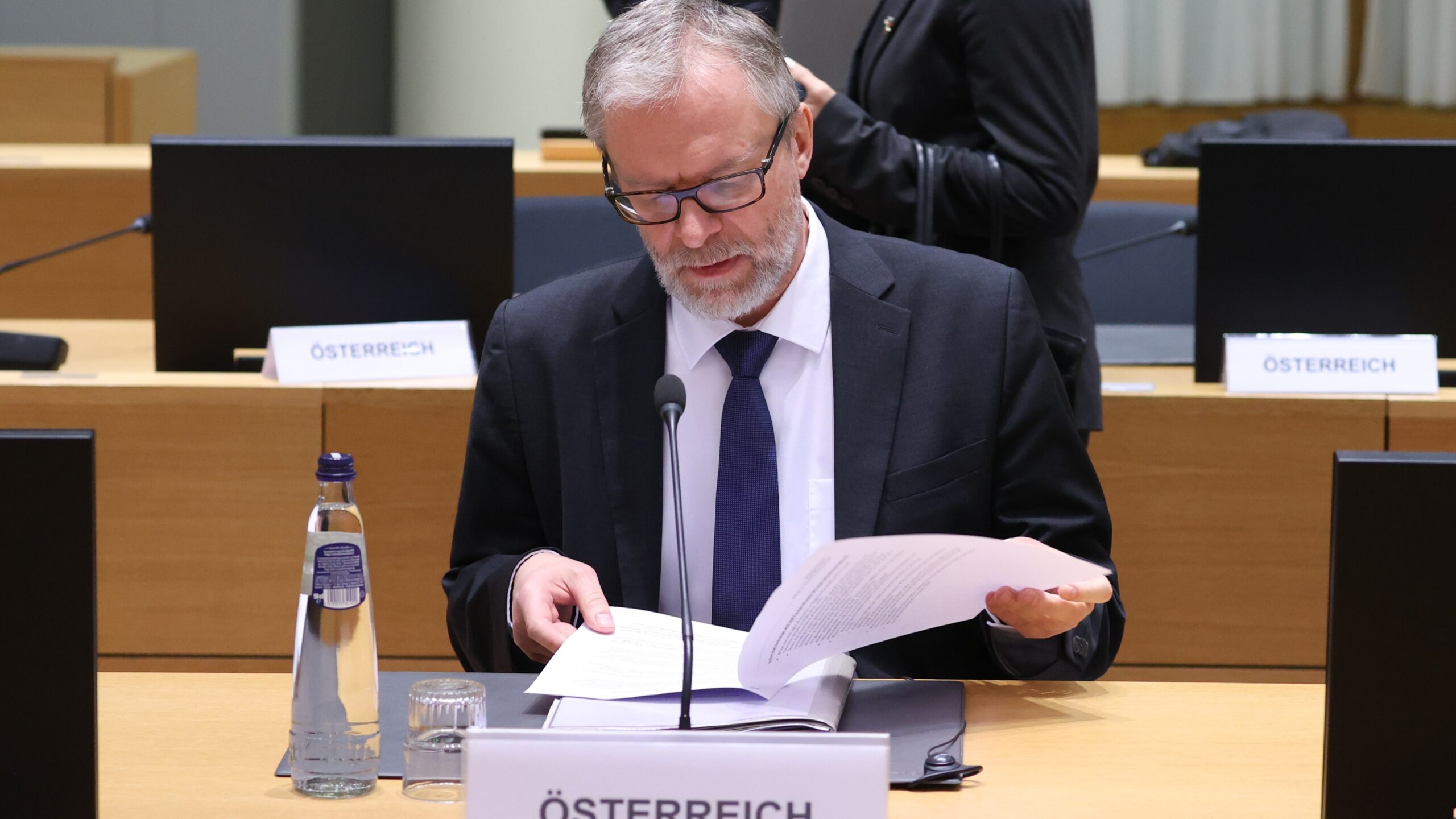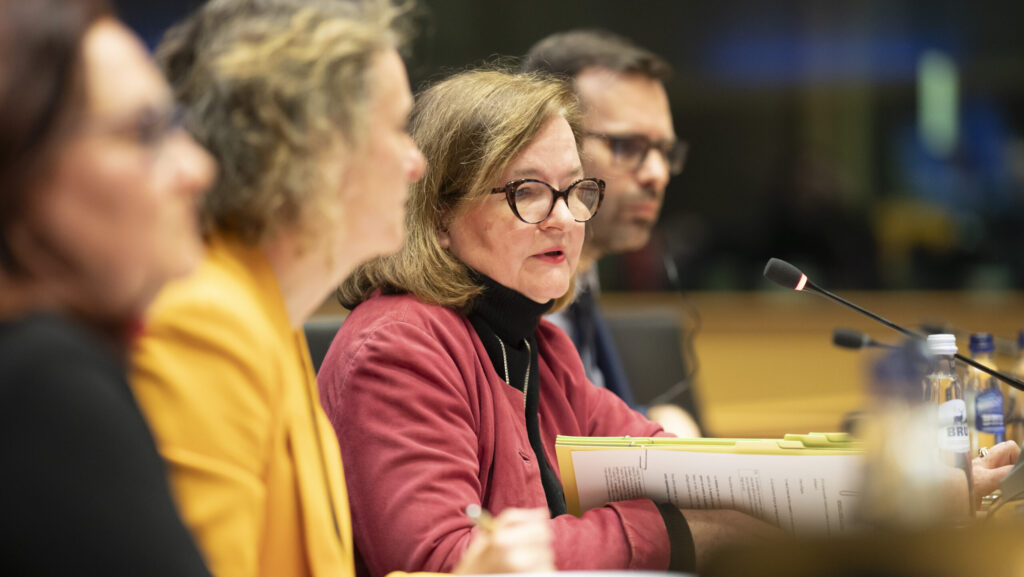
The liberal chair’s apparent reluctance to put Islamic political influence on the agenda is not only “unacceptable” but also raises questions of hidden conflicts of interest.
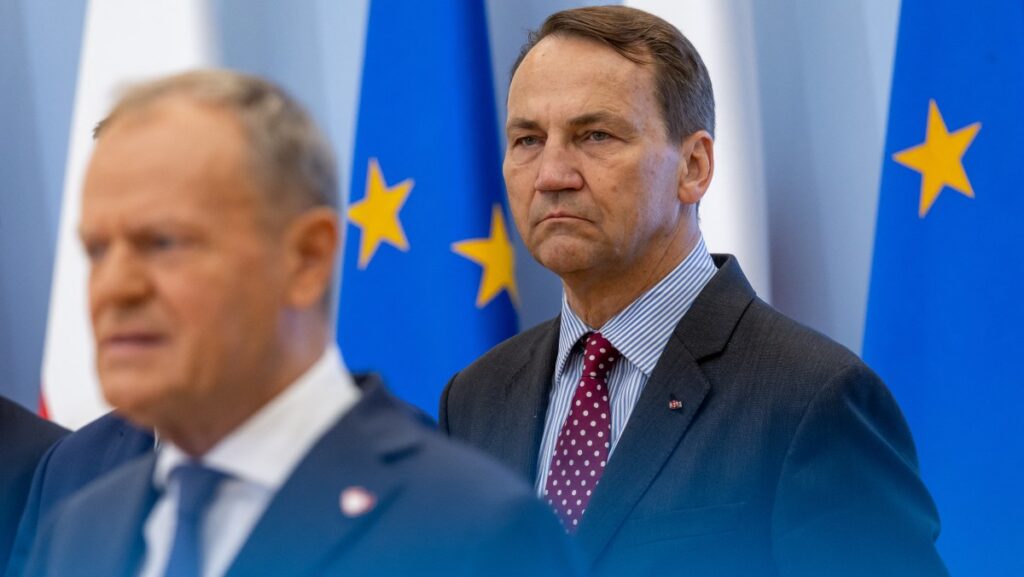
The center-right Poland 2050 was denied the deputy prime minister post it asked for, which was instead given to Foreign Minister Sikorski, a member of Tusk’s own party.
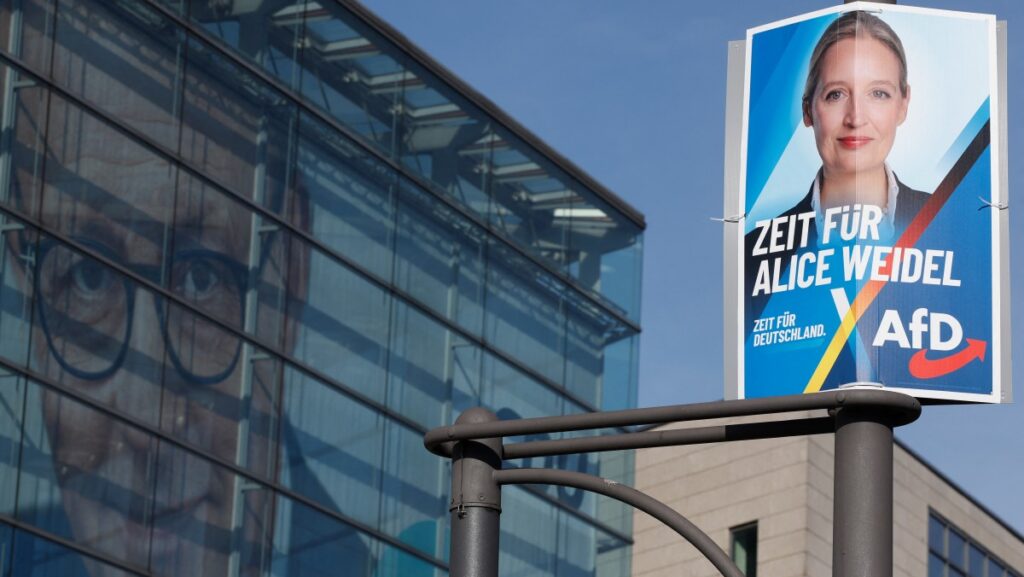
With AfD and the CDU neck and neck in the polls once again, public dissatisfaction with Chancellor Merz surged to a record-high 64%.

“I don’t believe that the ‘Wir schaffen das’ mentality has done any good for Europe,” said Danish Migration Minister Kaare Dybvad, calling mass migration “a huge economic deficit.”

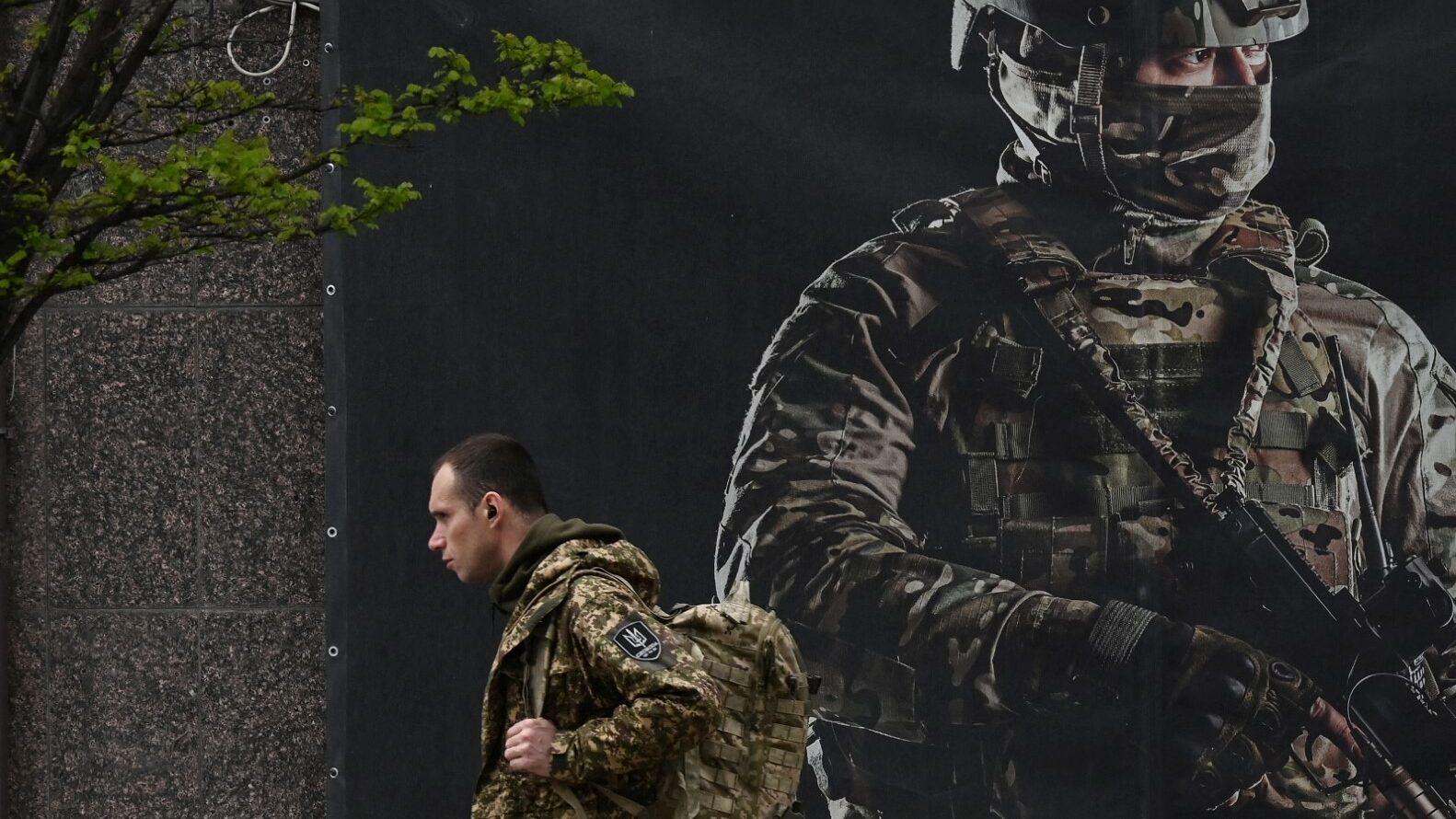
Ukraine’s “anti-democratic backslide” is “happening in plain sight,” critics in Kyiv say, worried that Zelensky may jeopardize the country’s EU accession.
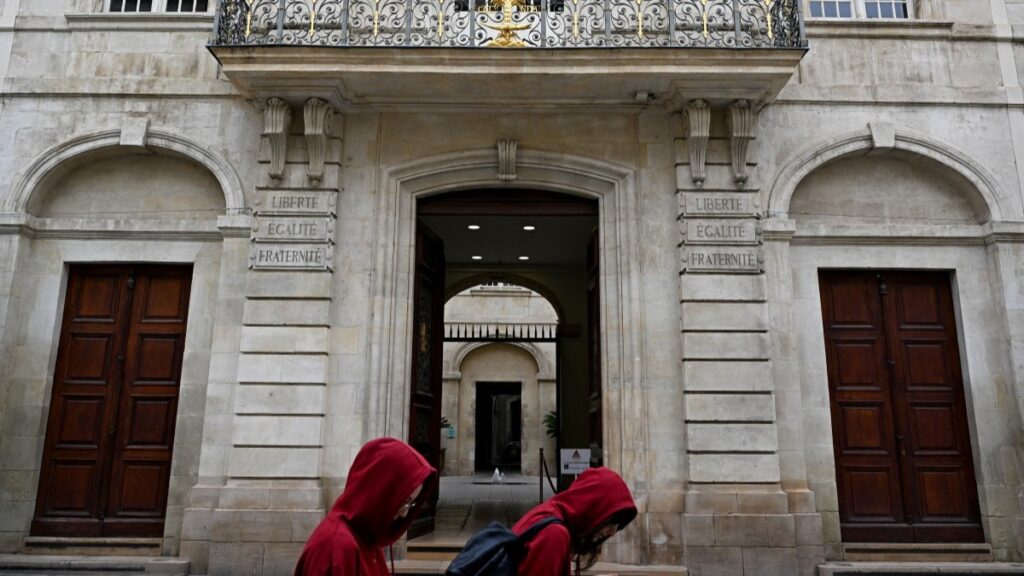
Police remain skeptical: “Young offenders are shooting people with impunity, in broad daylight. A curfew is certainly not going to stop them.”
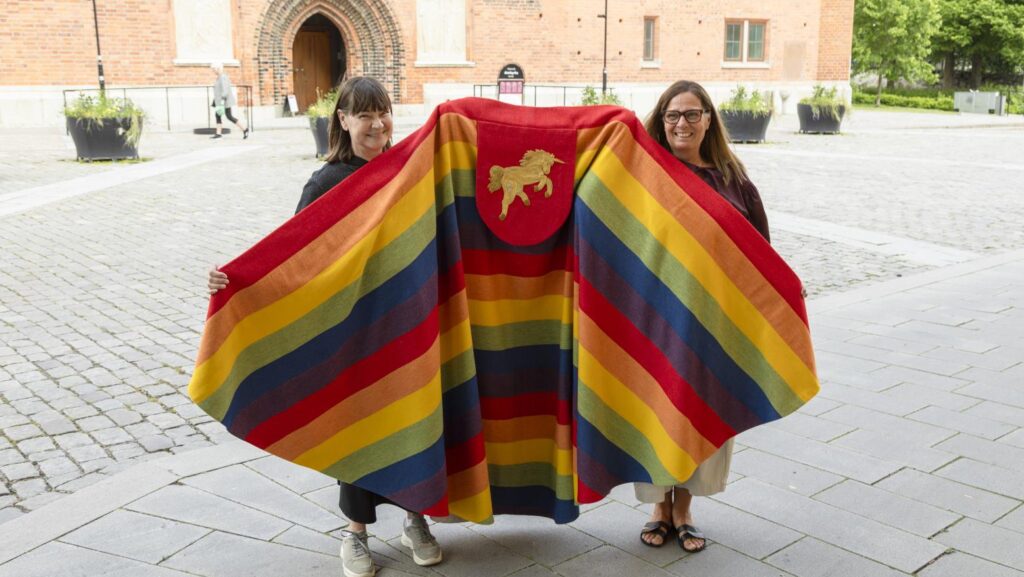
In contrast, comments show overwhelming support from everyday people for the priest who rejects LGBT ideology creeping into the Church.

Only 120 migrants have taken the cash and left the country so far, while calls for forced remigration grow louder by the day.
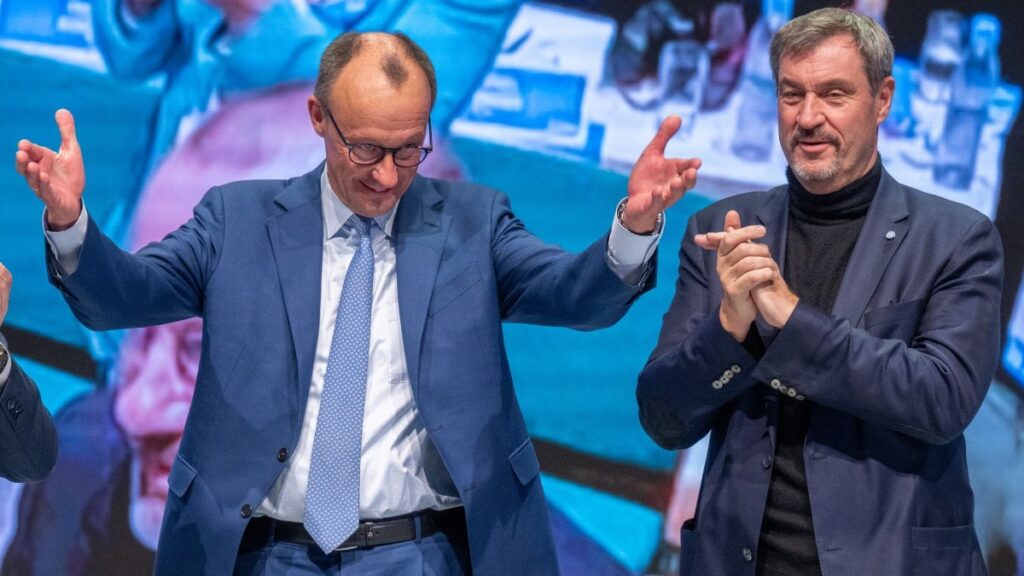
Either option—electing judges with a simple majority or eliminating the plenary vote altogether—would open the door for abortion liberalization and experimenting with AfD bans.

“Let me be clear: you are setting our countrysides on fire.”
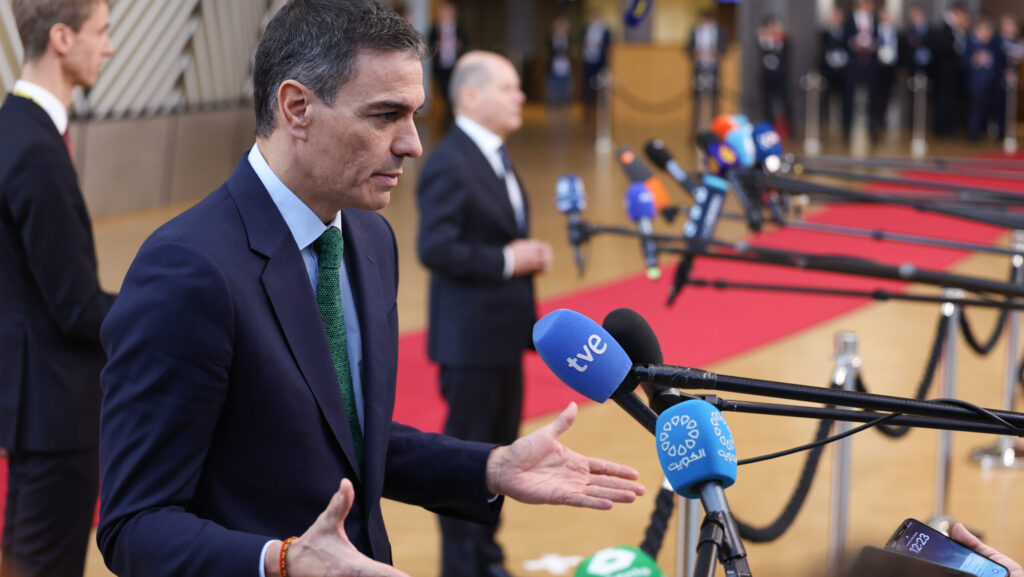
With half the country already calling for early elections, Brussels’ newest move could accelerate the eventual collapse of Spain’s corrupt socialist government.
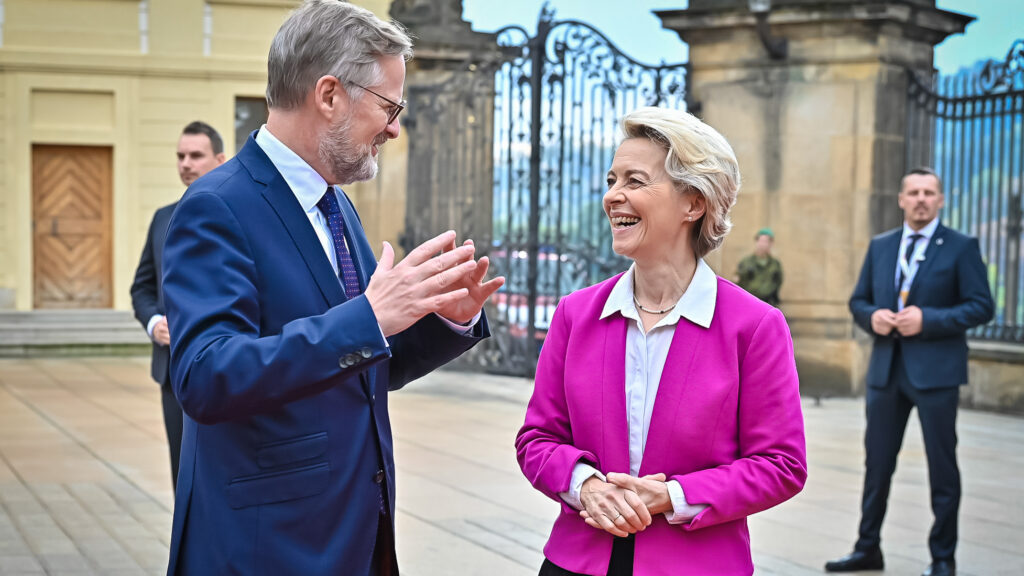
According to the sinking government, those who suggest the EU would want to prevent the landslide victory of Patriots founder Andrej Babiš are the “enemies of democracy.”