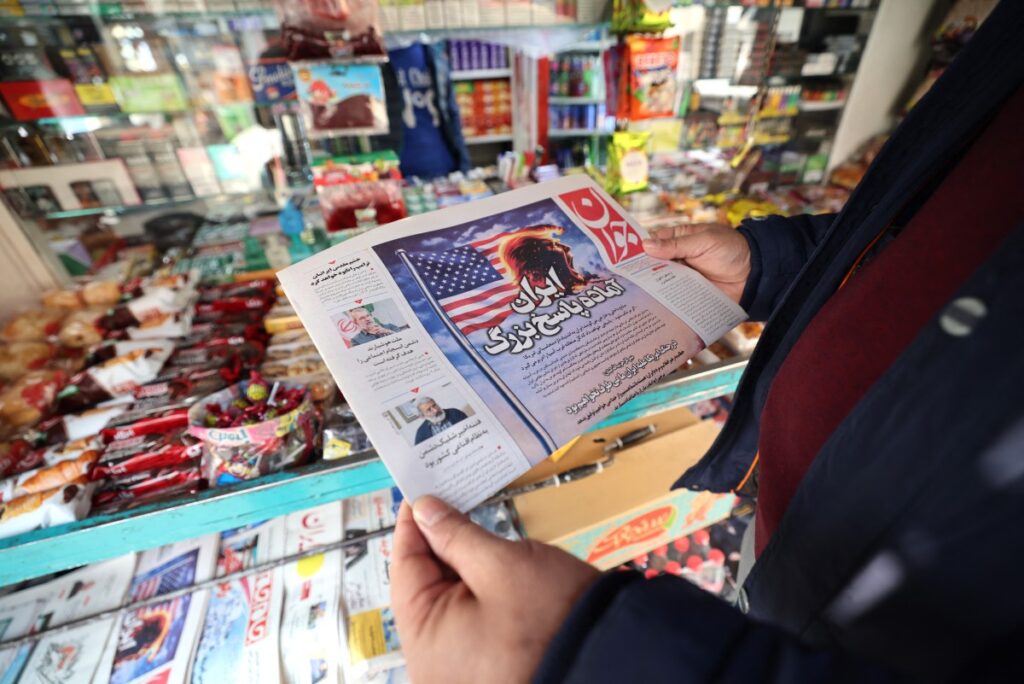
As its forces moved deeper into the region, Washington addressed Tehran directly, claiming our “next attack will be far worse.”
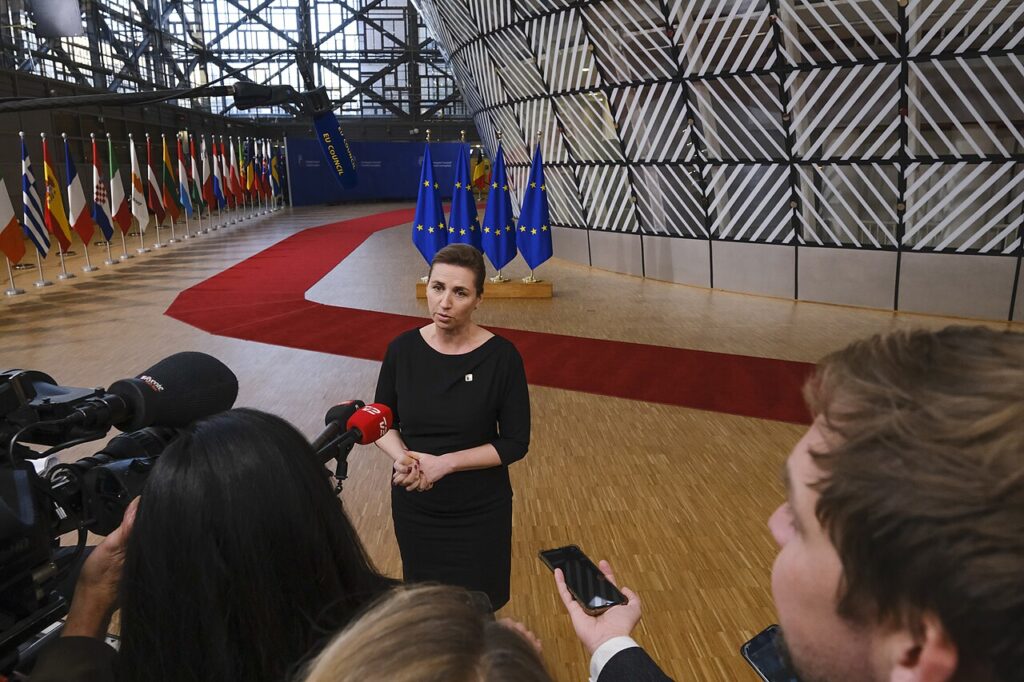
Mette Frederiksen warned that Europe remains highly dependent on the U.S. for military protection and called for urgent rearmament to reduce this reliance.
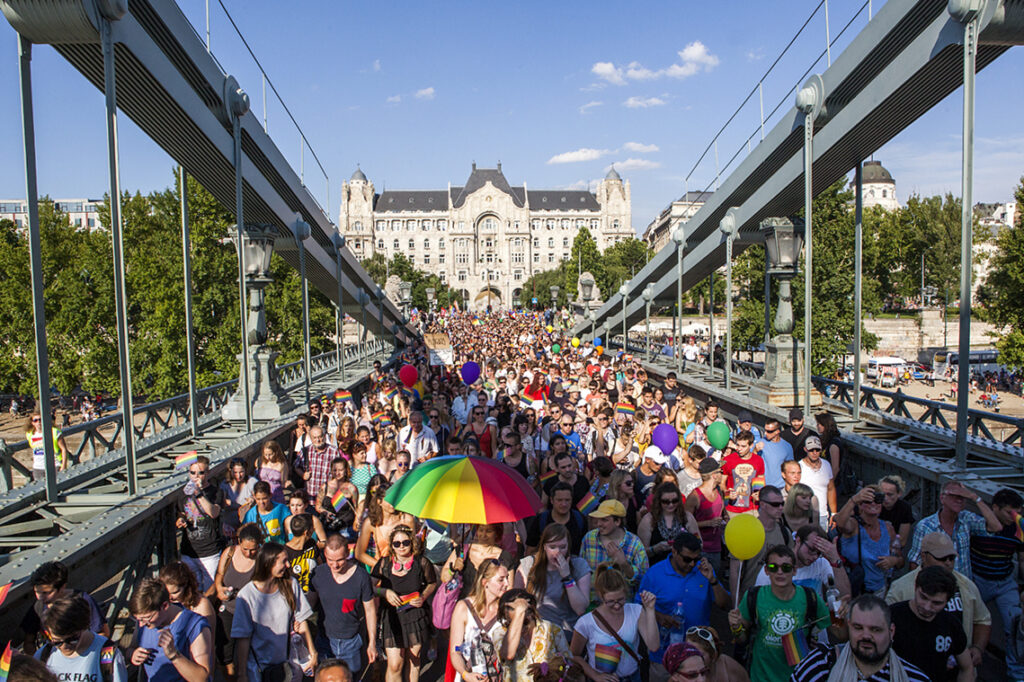
Gergely Karácsony has been fined for organising last June’s Pride march, where more than 200,000 participants defied an official ban.
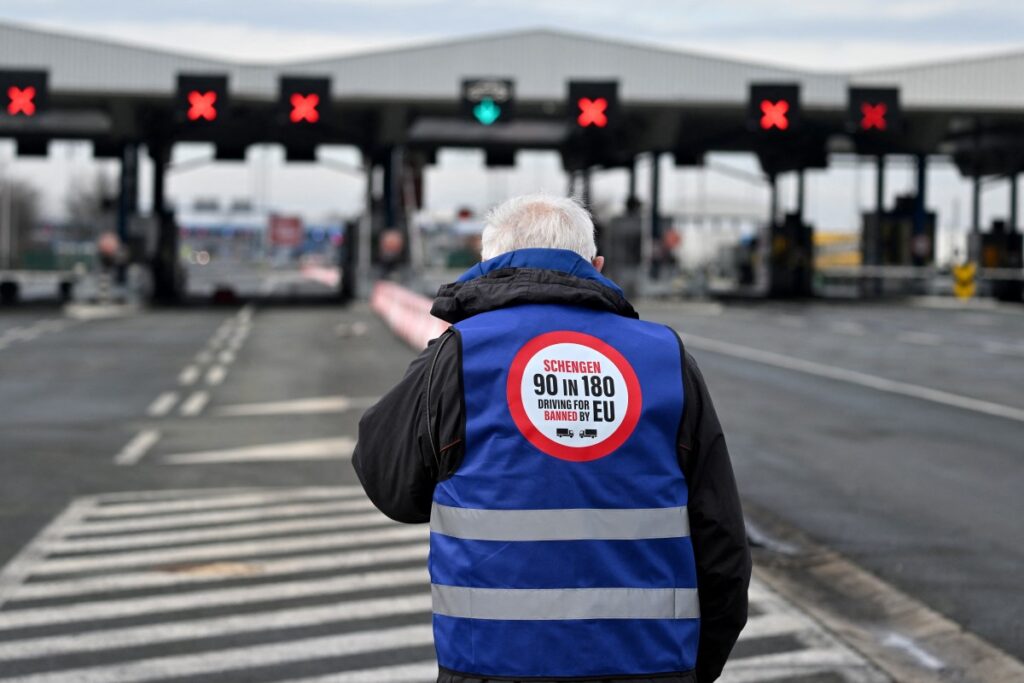
Checkpoints across Bosnia, Montenegro, and North Macedonia are blocked, with Serbian crossings also affected.
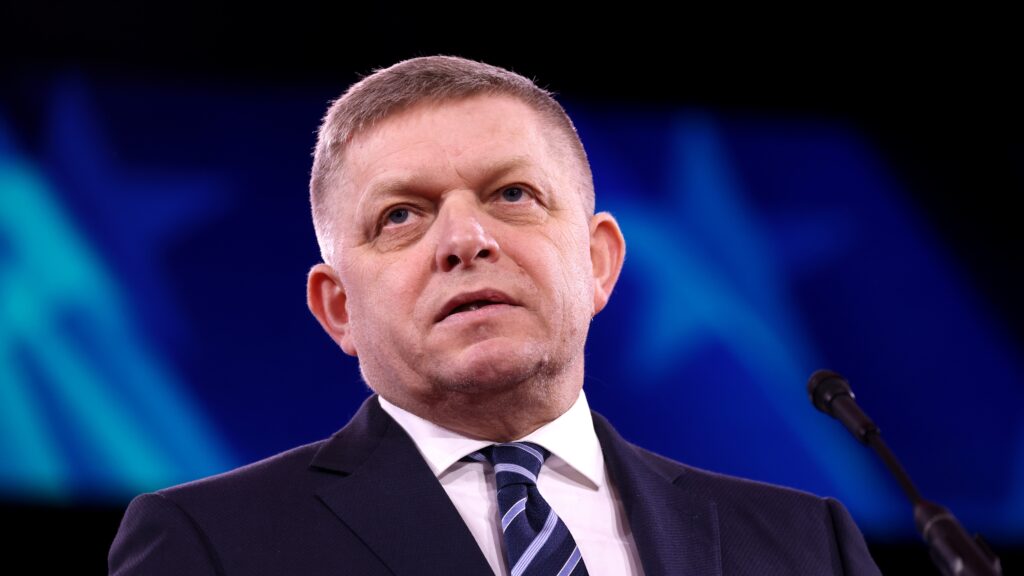
Prime Minister Robert Fico said Bratislava would challenge the EU’s plan to end imports of Russian natural gas, joining neighbouring Hungary in opposing the move.
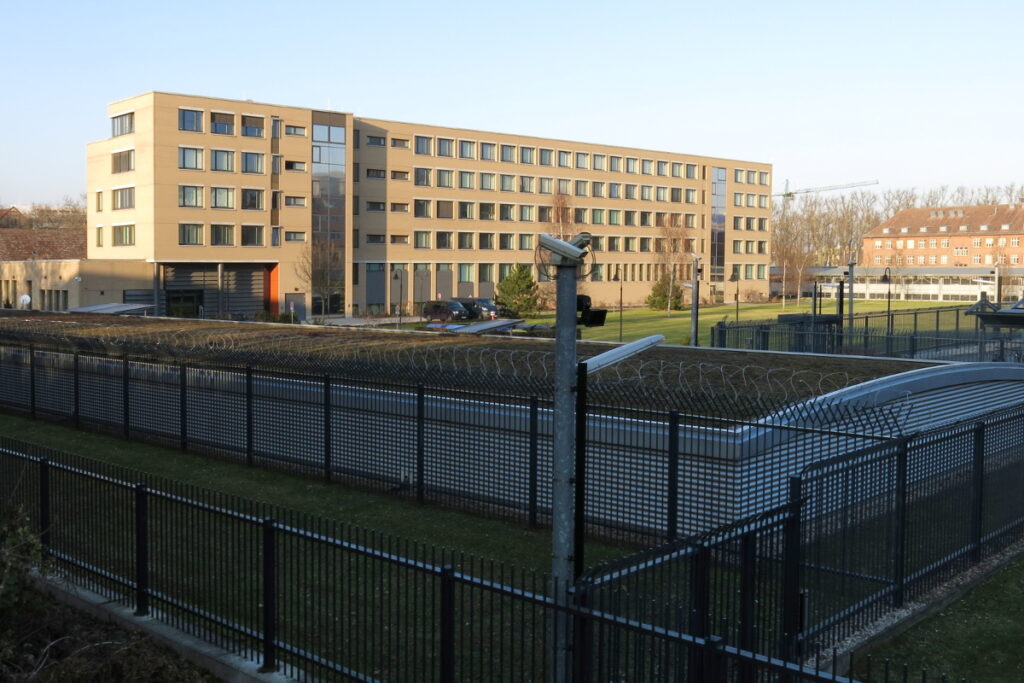
Authorities are hunting suspected members of the left-wing extremist Vulkangruppe after an arson attack plunged tens of thousands of homes in Berlin into darkness for days.

Last year hybrid-electric vehicles became the most popular powertrain among European car consumers.
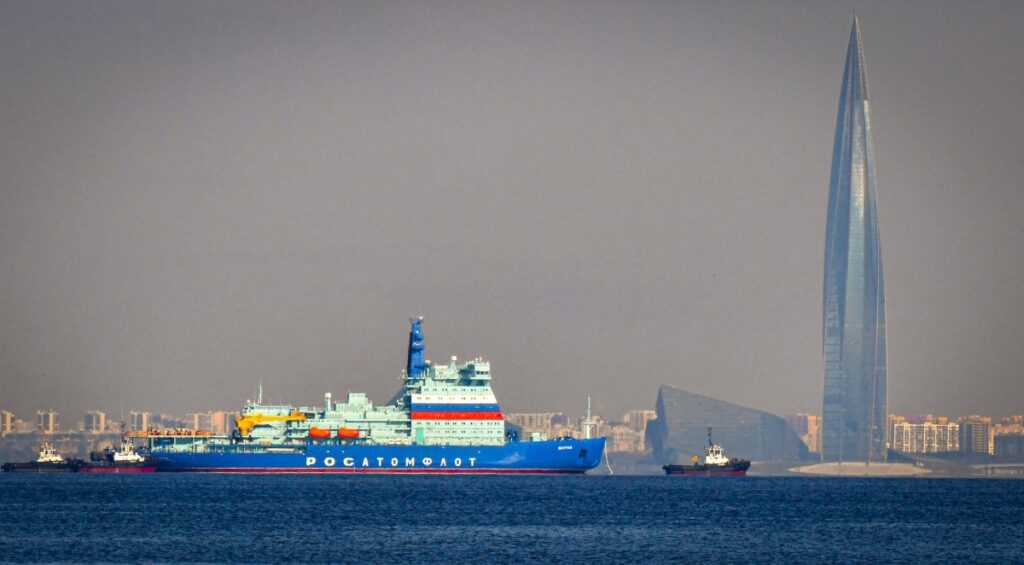
Helsinki is preparing new monitoring measures after years of unexplained damage to submarine infrastructure.
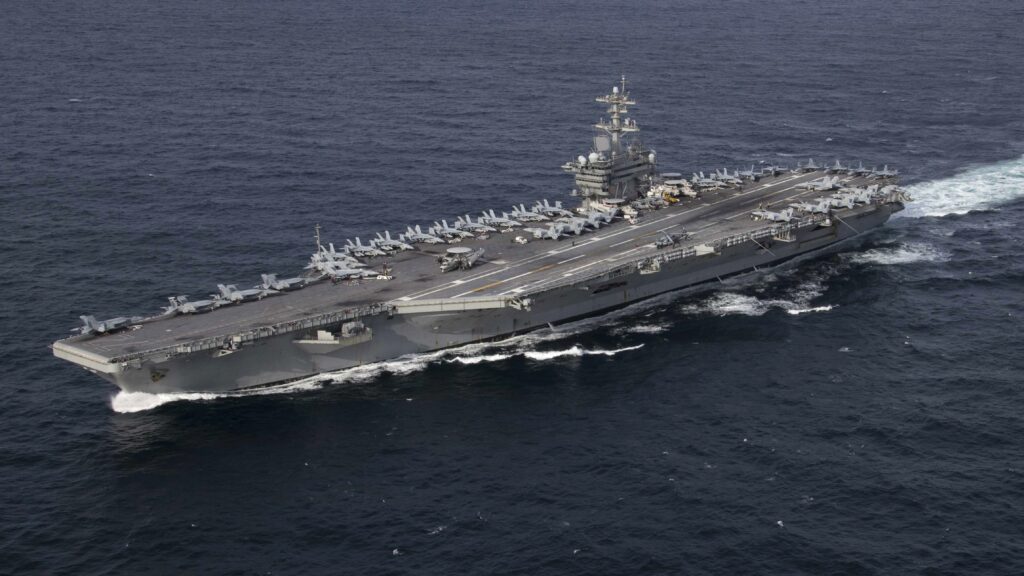
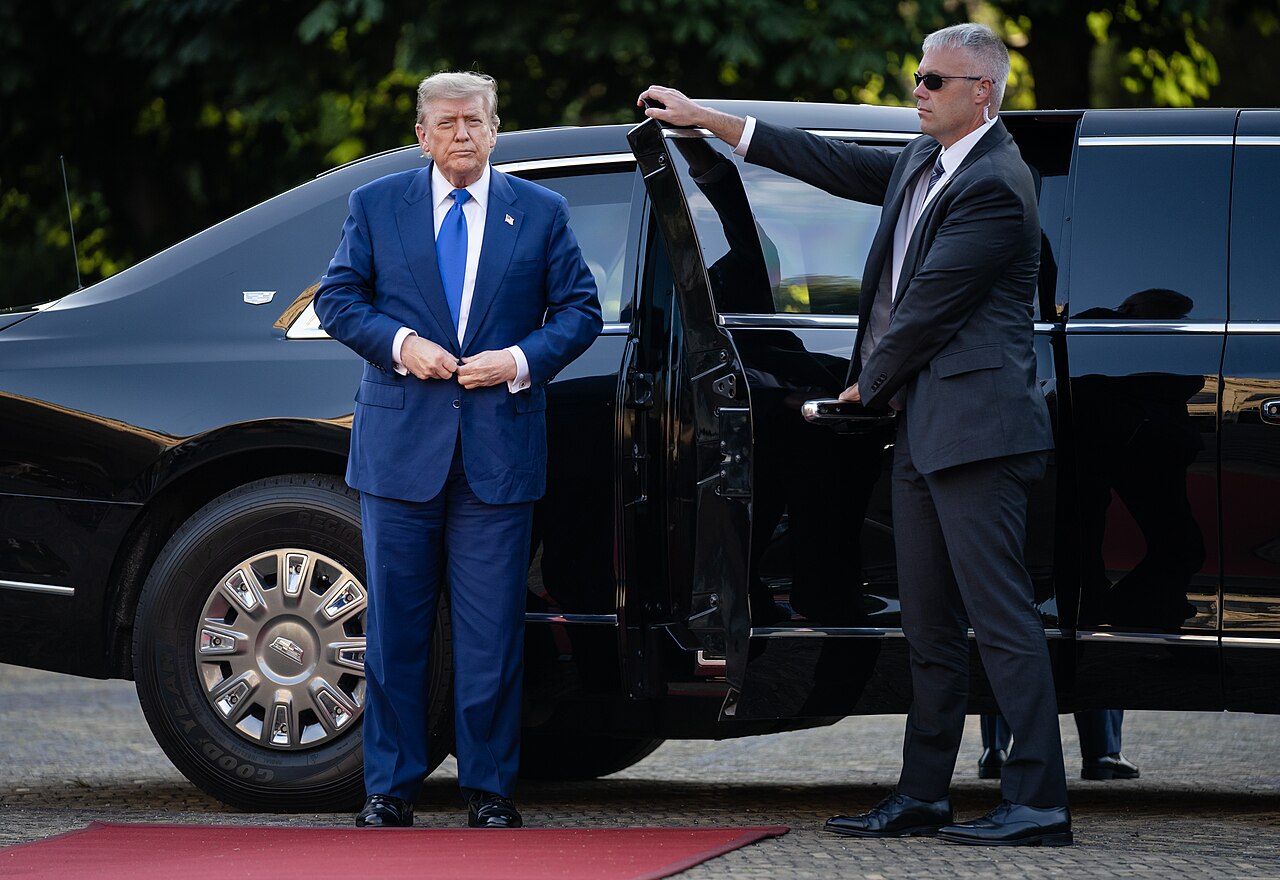
The Trump administration is considering military options following Tehran’s violent crackdown on protests.
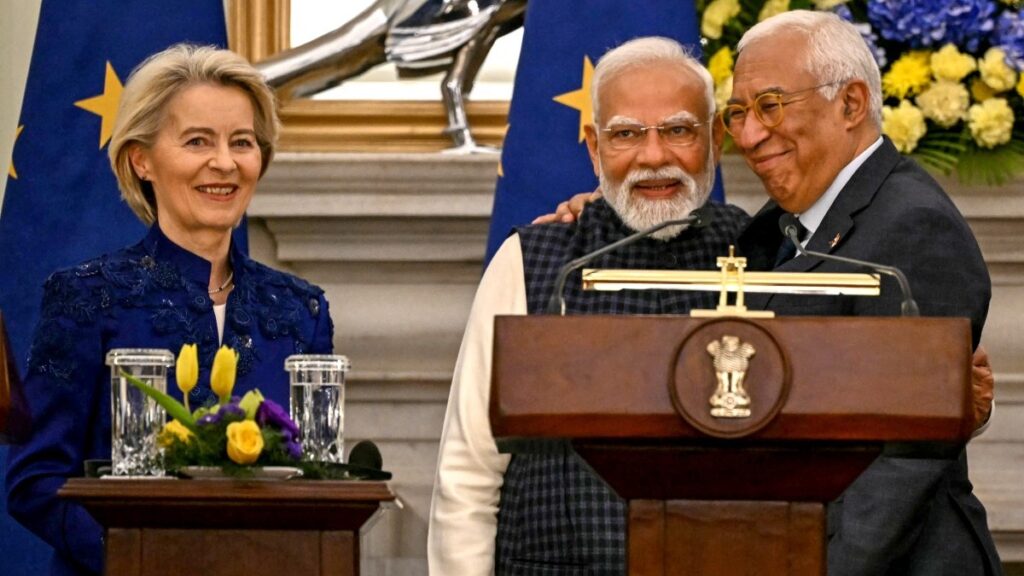
Brussels and New Delhi agreed on a sweeping free trade agreement covering nearly two billion people.

Prime Minister Benjamin Netanyahu called the repatriation of Ran Gvili “an extraordinary achievement for the State of Israel.”

To tackle a massive drug shipment, an operation brought together Portuguese naval and air forces with UK and U.S. support.