
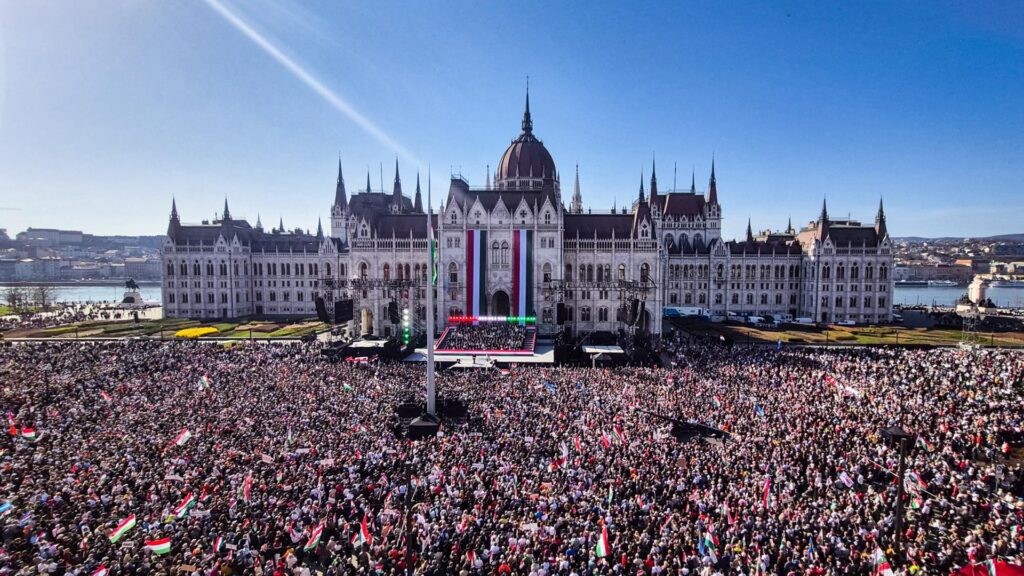
First Mover, Last Forgiven: What the Cato Institute Gets Wrong on Hungary
Budapest’s real offence was not what it did, but that it did it first and said so loudly.

Budapest’s real offence was not what it did, but that it did it first and said so loudly.
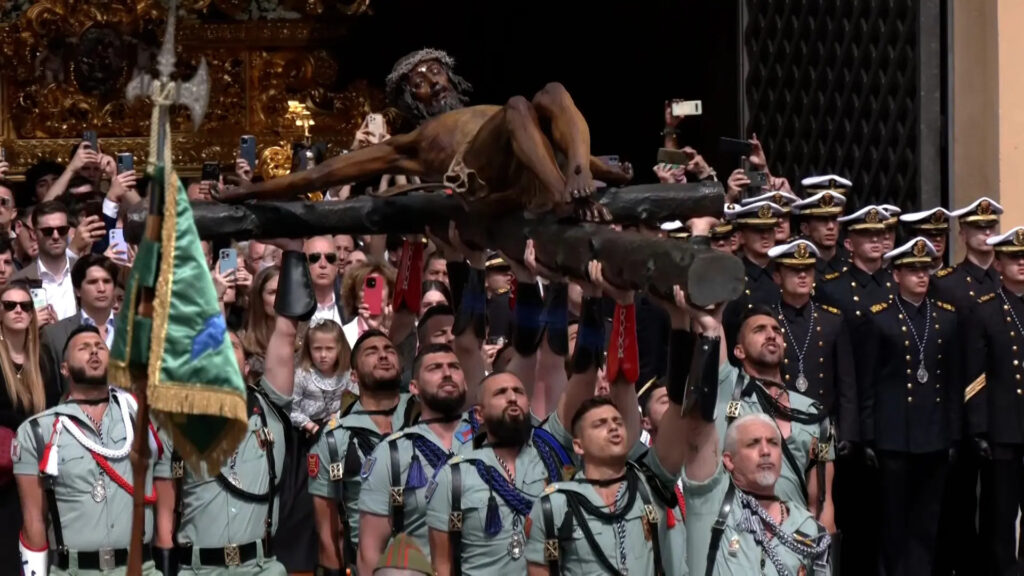
The Cristo de Mena, after being beaten by the mob, was burned along with other religious images; only part of one leg and one foot of the Christ were spared.

When we look at our struggles, our anxieties, and our loneliness, we must remember that Christ has already descended into that darkness.
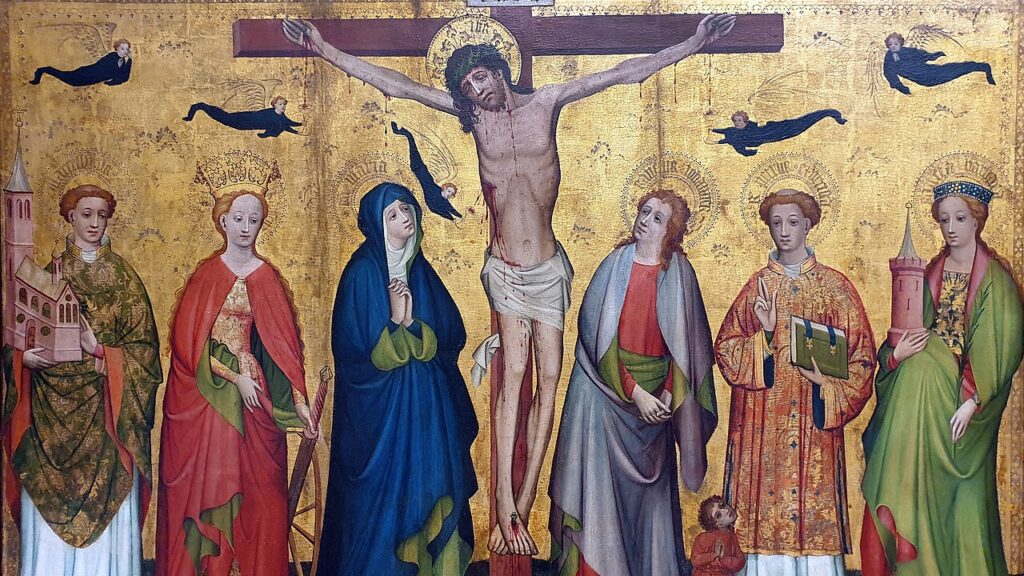
If the end desired by God was the redemption of man in such a way as to bring man into full union with Himself—that is, to make us saints in loving union with Him—then there could have been no other way.

This is no longer just about one country. It is about whether the European Union can tolerate a nation that insists on putting itself first. And whether citizens are still allowed to choose that path.

Because it is the religious Right that has been the most unapologetic defender of classical Christian values, church leaders now find it difficult to articulate those values at all.
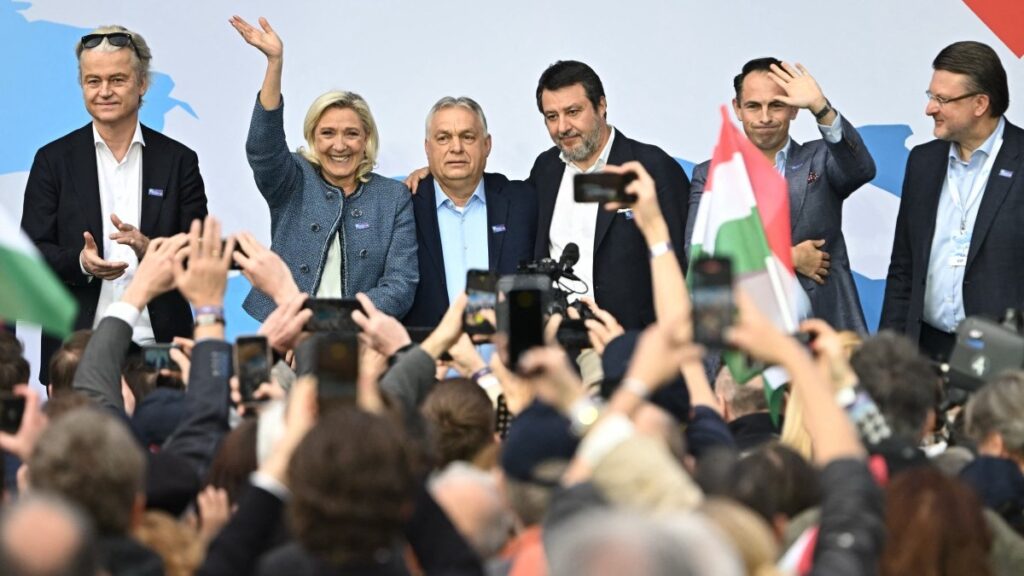
The European Right is joining forces in rejecting the abolition of unanimous decision-making in the EU and opposing the use of the rule of law as a political tool, while standing up for energy sovereignty and taking a firm position against mass migration.
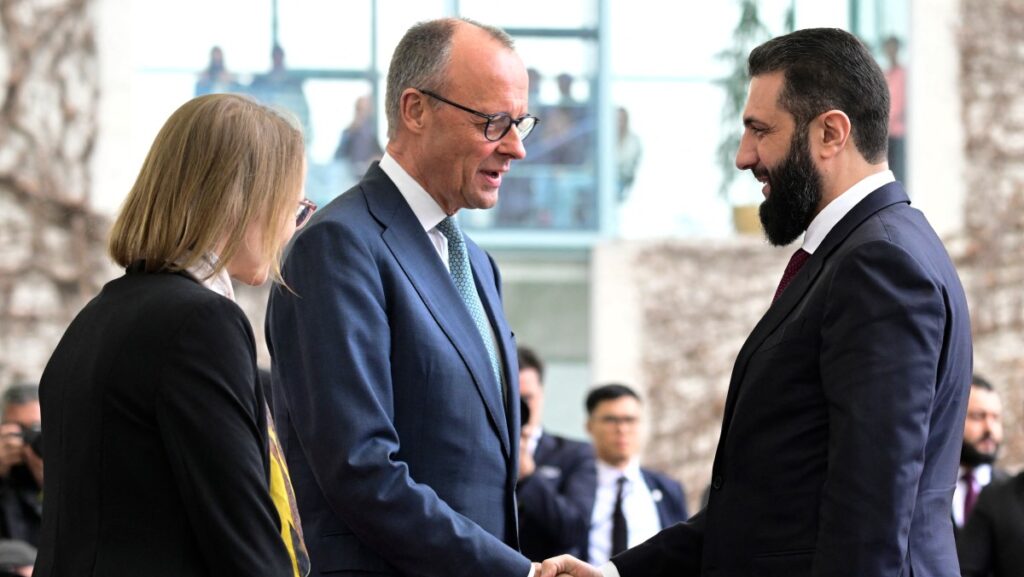
There is something decidedly grim beneath the normalisation of the Damascus regime: a tacit acknowledgement that violence, waged successfully enough, will eventually translate into legitimacy.
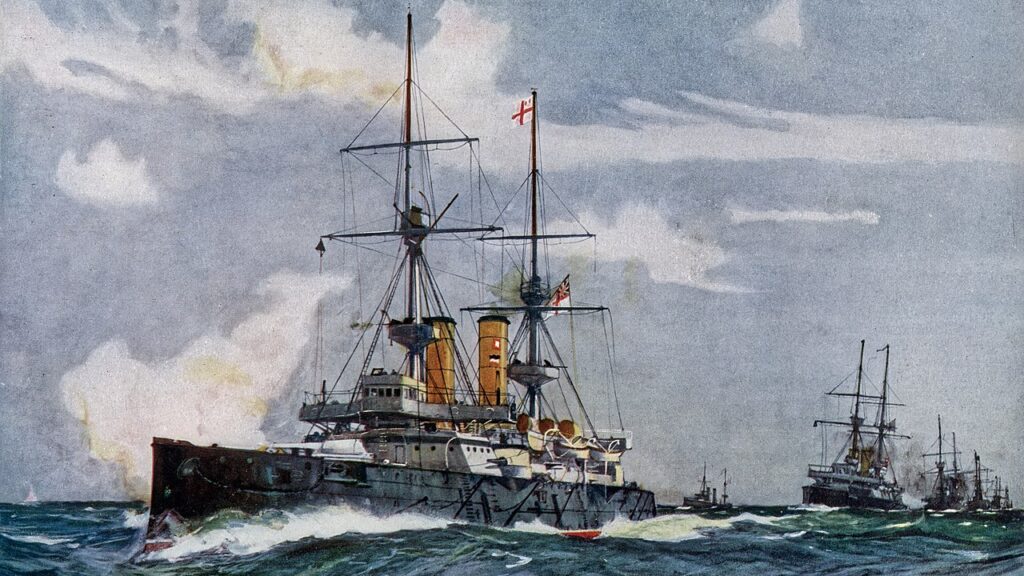
A succession of inept Conservative and Labour governments have thoroughly demilitarised Britain.

Viktor Orbán’s influence extends far beyond the borders of Hungary: for the international sovereigntist camp, he is proof that patriotic politics is viable not only as a form of protest but as a form of government.
A succession of inept Conservative and Labour governments have thoroughly demilitarised Britain.
Viktor Orbán’s influence extends far beyond the borders of Hungary: for the international sovereigntist camp, he is proof that patriotic politics is viable not only as a form of protest but as a form of government.
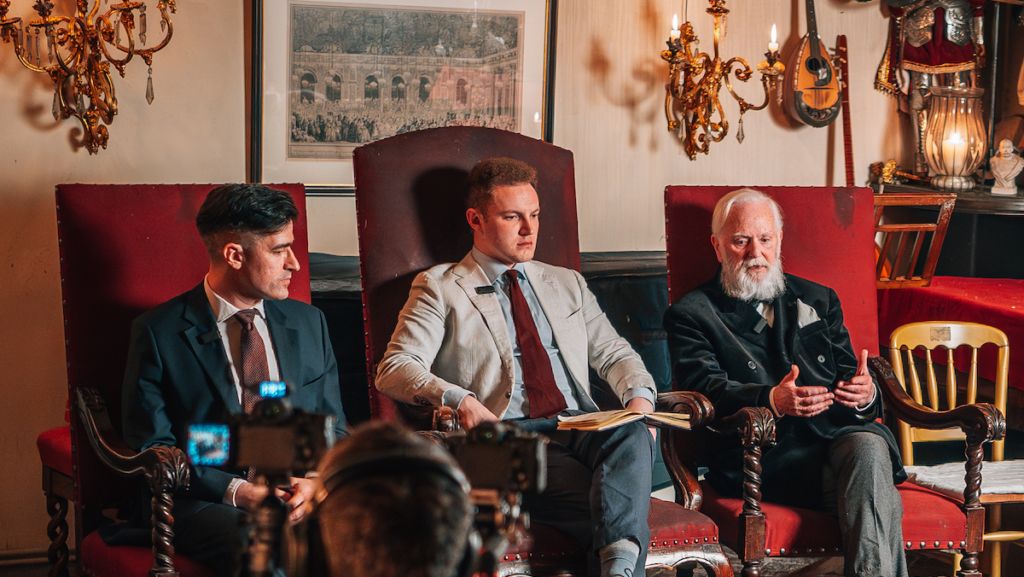
The Vienna discussion revealed something significant about the current European moment. Questions once confined to intellectual circles are increasingly entering the public sphere.

A stable Hungarian government under Orbán—whose political consistency has made him one of the most recognisable advocates of national prerogatives inside the EU—contributes to a more balanced institutional environment.

In the first documented Antifa attack on Portuguese soil, a young activist hurled a Molotov cocktail into a peaceful pro-life march in Lisbon.

The Left uses electoral fraud as a new way to carry out coups d’état without firing a single shot.

It’s not surprising that in times of moral confusion, existential emptiness, and rootlessness, traditional values are once again becoming a refuge.

After more than 30 years as a correspondent for mainstream media, Ulrich Heyden is now seen as suspect by Germany’s financial oversight authority.

The prosecution of Matthew Grech highlights activists’ aim with these bans: to silence Christians, to make it illegal to call LGBT ideology a sin, and to end religious freedom.

Endless self-denunciation might quench a progressive longing, but it does nothing to make the public safer.
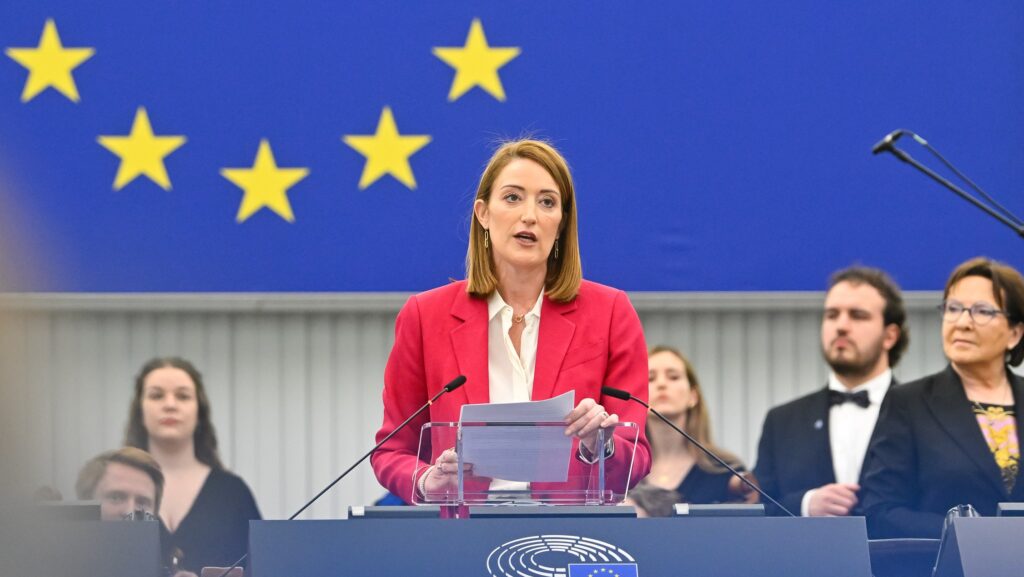
If someone is on the ‘good side,’ threatening rhetoric can be tolerated, political blackmail can be explained, and pressure can be relativized.
The party that was once—for better or worse—seen as a vehicle for popular representation has become an obstacle to democratic change.