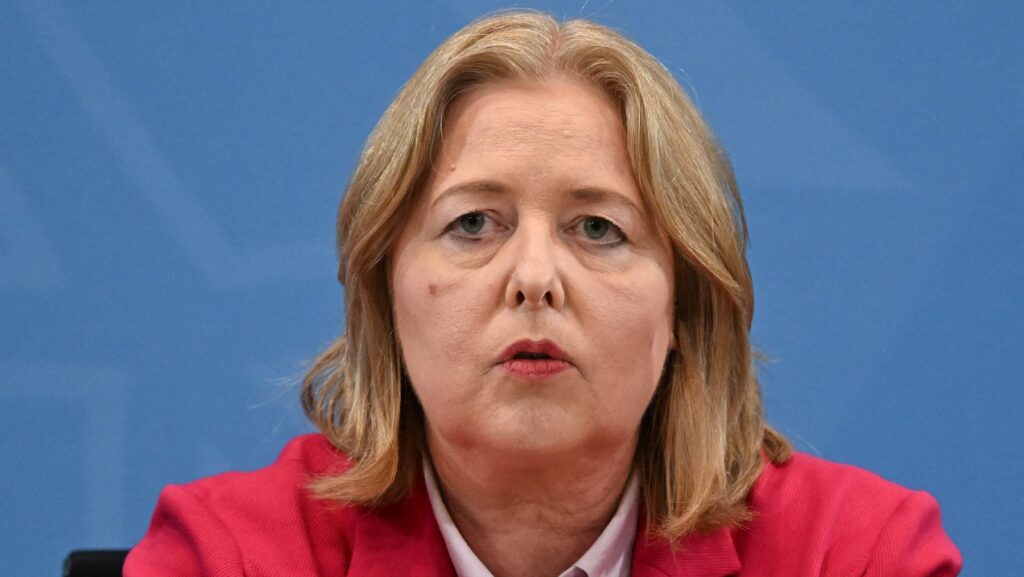
Bärbel Bas and the SPD’s Contempt for Voters
The German labour minister’s attack on the country’ss supposedly “grey” and “brown” citizens exposes how far her party has drifted from the people it once claimed to represent.



The more crime non-whites commit, the more ‘systemically racist’ the system is deemed to be. That is a foolish game to play.

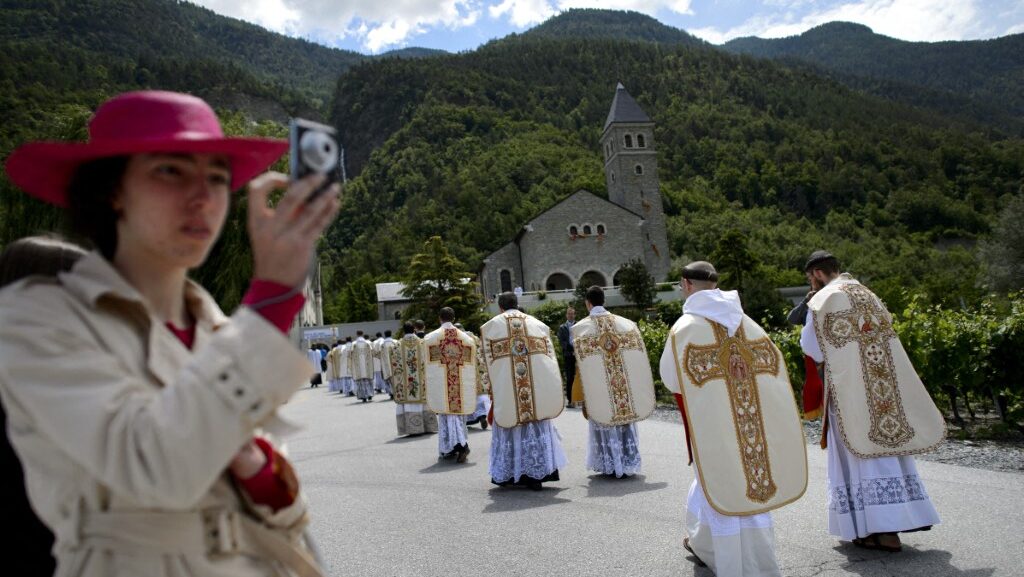
“The largest pilgrimage in the West” has drawn a record number of faithful this year, proving that Christianity is not quite dead.

Qatar’s purpose in buying up Western media and influence is to create a smokescreen for the regimes that create the very problems which drive millions of refugees to seek the charity of generous Western states.
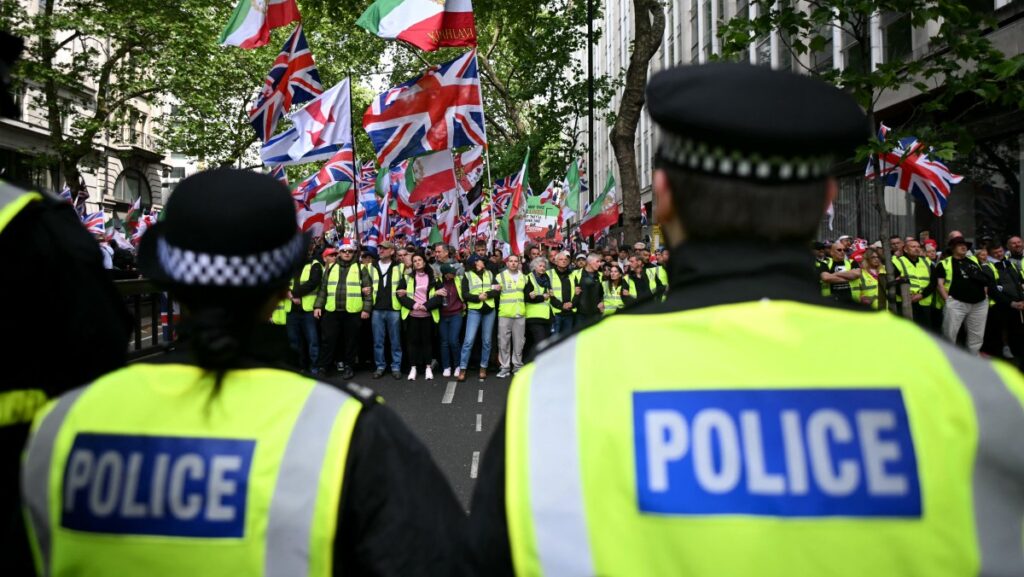
Last Saturday’s rival demonstrations exposed a nation split between approved and disapproved dissent.

For all the official rhetoric about caring for the poor, their interests have been sacrificed on the altar of energy-efficiency targets and green ideology.

Construction of Islamic worship centers funded by Turkey, Qatar, and Iran has been welcomed by Western politicians eager to court the Muslim immigrant vote.
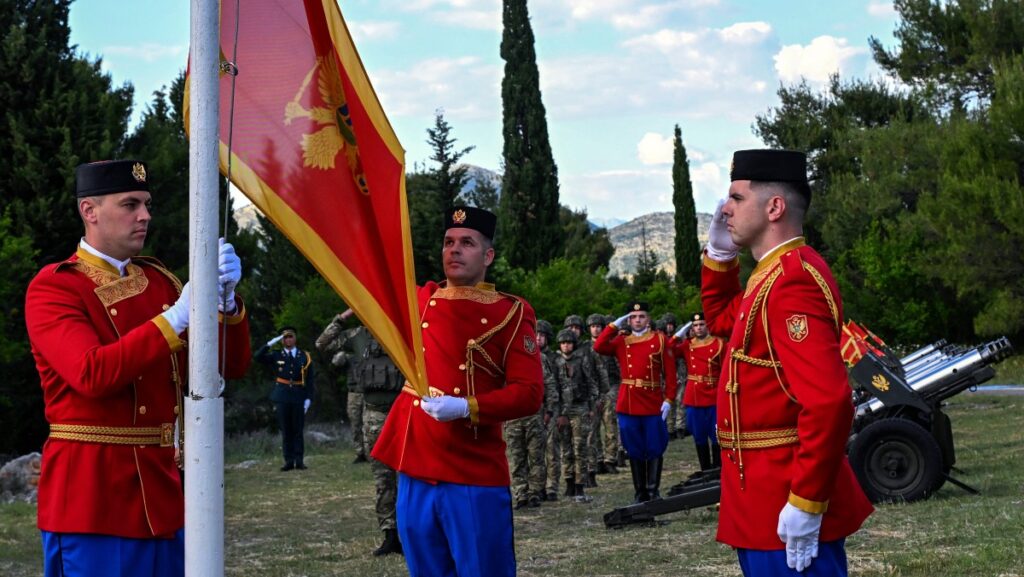
Montenegro outlasted the Ottoman Empire, the forcible erasure of its statehood in 1918, and decades of communist Yugoslavia, but will it be able to outlast the European Union?

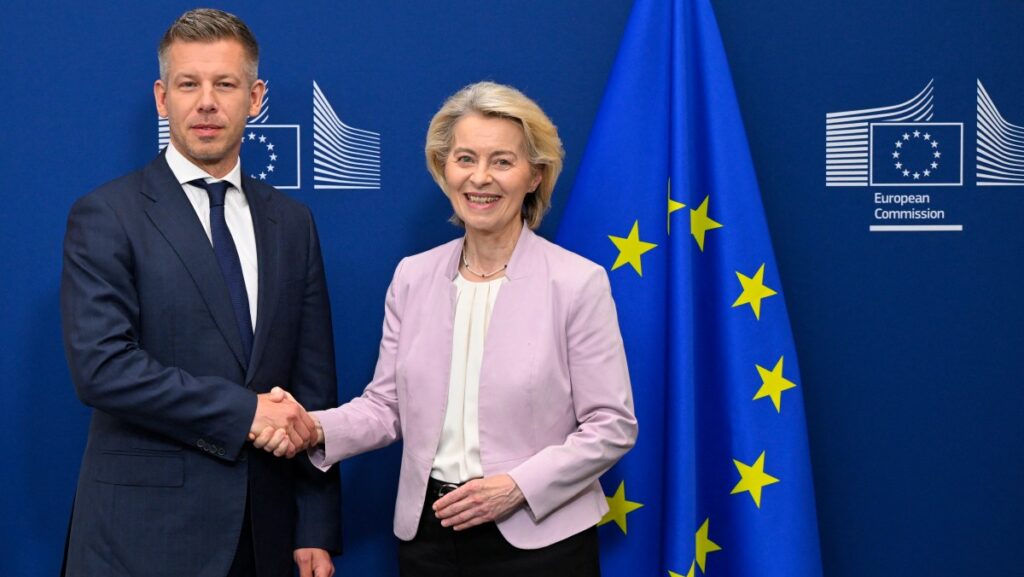
The EU assumes the truth of an ideology that most Hungarians—and millions of other Europeans—reject.

600 actors and directors claim to be defending their independence—that is to say, their progressive agenda.

Europe’s elites have turned a powerhouse into a punchline, then give themselves medals for the collapse.

By championing the virtues of a bag of fried chicken, a certain section of the Left imagines itself following in the footsteps of Marx and Zola and sees in it a revival of the class struggle, updated to defend the ‘racialised’ poor.

Britain’s young people are among the loneliest in Europe. This should concern us far more than it does.