
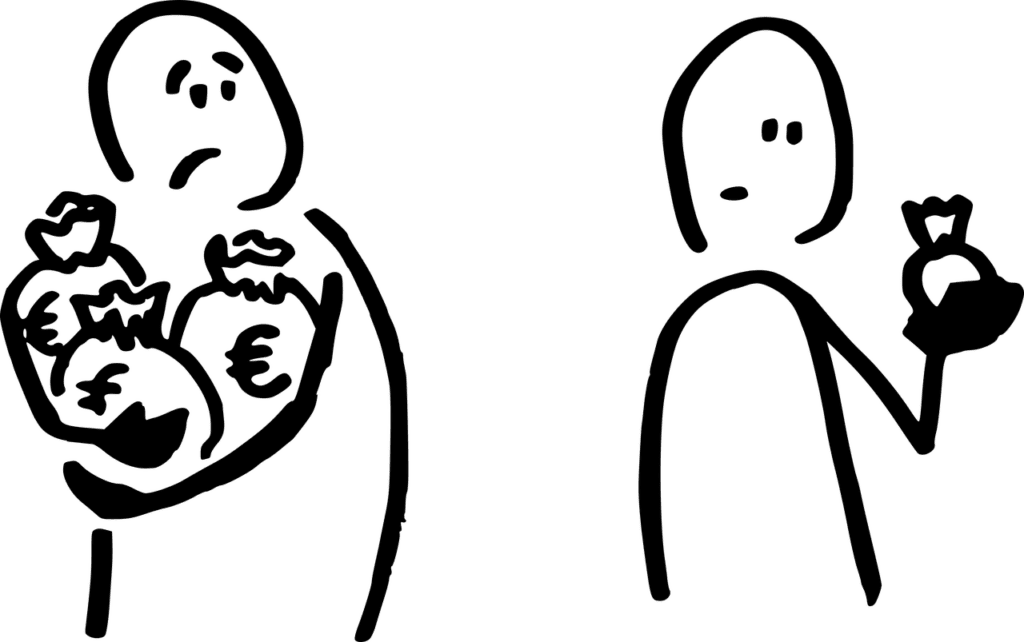
Should Conservatives Care About Inequality?
What should concern us, is the fact that government is trying to artificially reduce income differences, and in doing so is artificially expanding differences in wealth.

What should concern us, is the fact that government is trying to artificially reduce income differences, and in doing so is artificially expanding differences in wealth.

Why this obsession on the part of Brussels officials with making the citizens of old Europe eat insects? Not a concerted ideological plan, but proof of a rootless globalist way of thinking that takes on unexpected aspects: in the age of happy globalisation, if it’s done elsewhere, why not here?

Predictably, this week’s Australia Day celebrations were mired by protest. There were calls, not just to change the date of ‘Invasion Day’ or ‘Survival Day’ as the rebrands have it, but to abolish the ‘Celebration of genocide’ altogether.
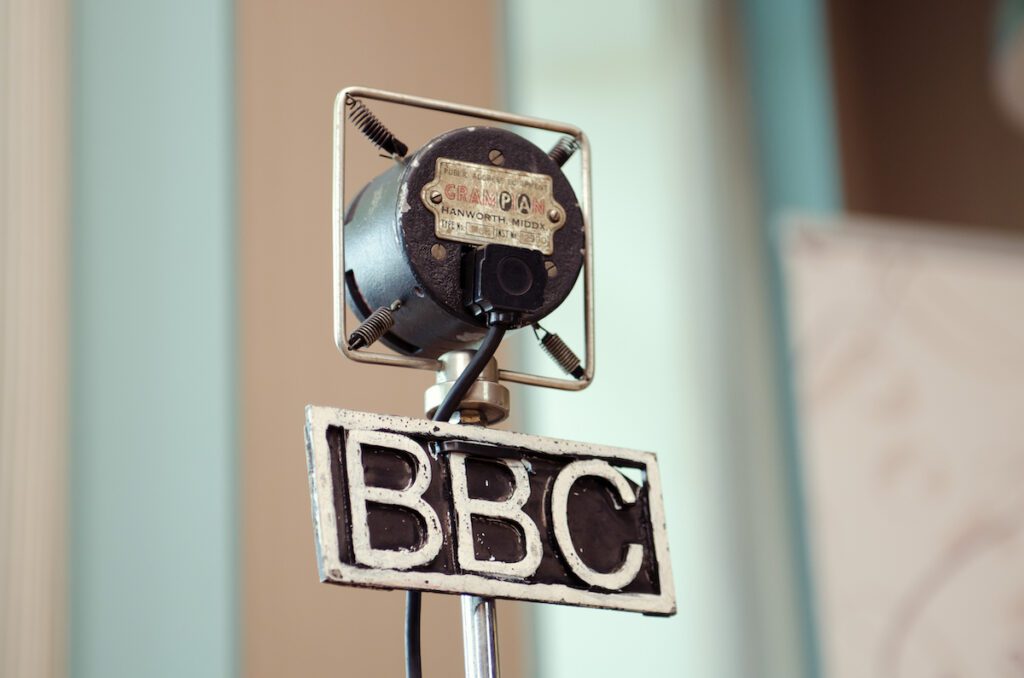
It is of course impossible to gauge what proportion of the BBC’s diversity quota is allocated for returning jihadis, but what is clear from Begum’s series is that the current thinking at Broadcasting House is that it’s “best to be ahead of the game.”

As for the agenda of those who seek to profit from suffering and misery thanks to their high political and media connections, we must wake up before it is too late.
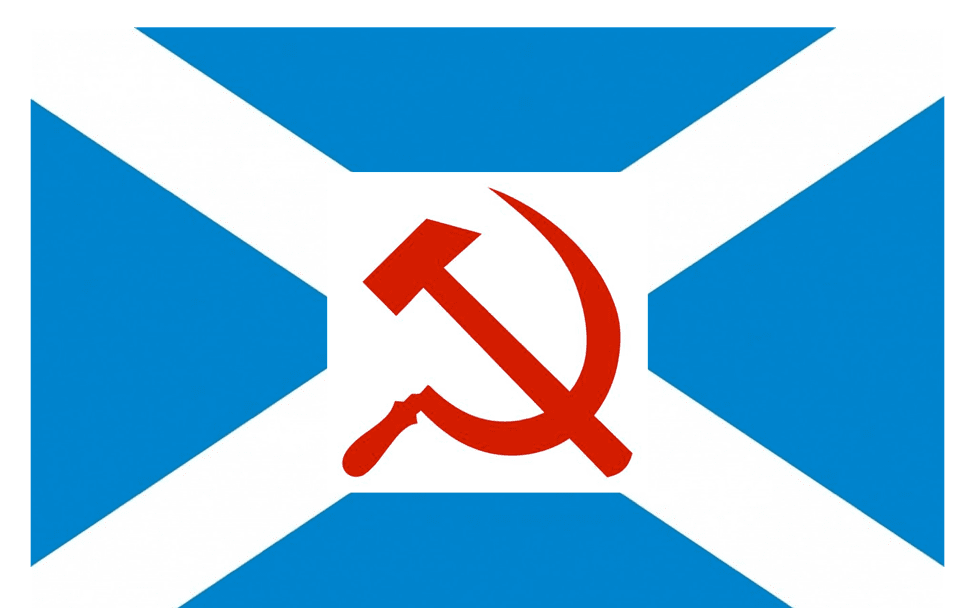
Much like the Communists of the early 20th century, the Scottish government aspires to completely transform society—whether people like it or not.

The well-organised financial network behind the seemingly haphazard and sporadic activism is shocking even to politicians.

The shift in our society has been imposed from the outside. A cocktail of involuntary impositions and the cowardice of our leaders have rendered swathes of Britain unrecognisable.

Netflix teams preferred to skip over Hidalgo’s Paris in order to better sell the dream, because the international community does not fantasise about the ecological and sustainable work of the socialist clique in power.
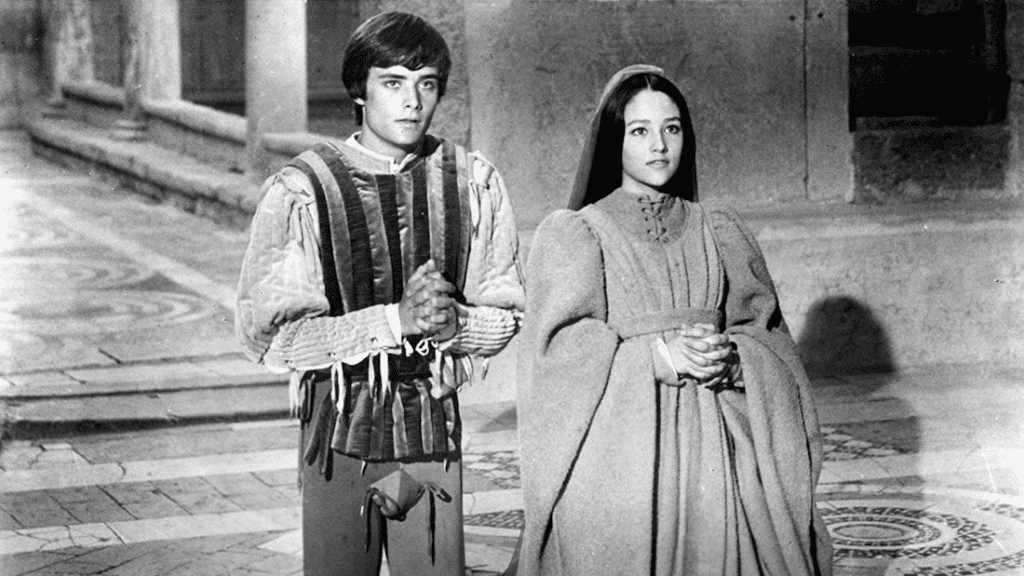
It is sad that we as a culture have become so desensitized that we do not even blink an eye at the relatively ‘tame’ nudity of Zeffirelli’s Romeo and Juliet.
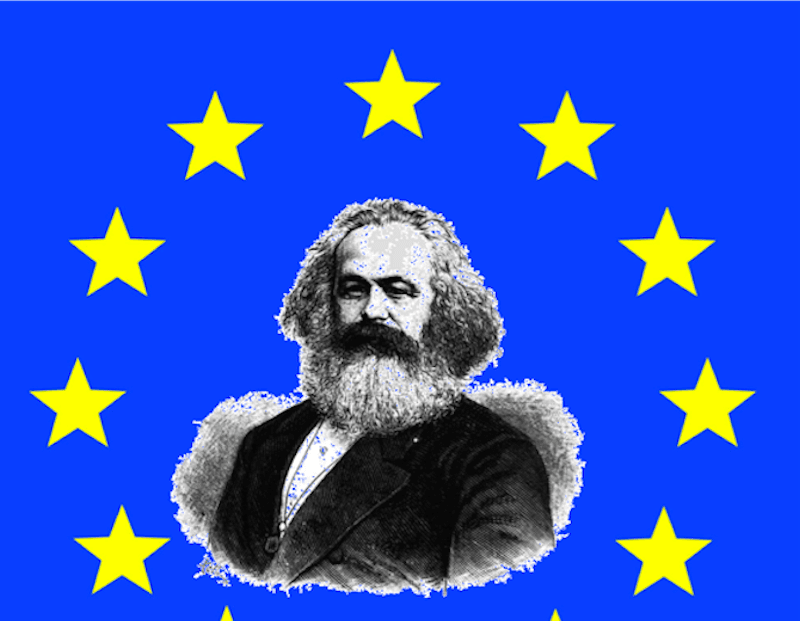
How could an ‘innocent’ citizens’ initiative for democracy bring about powers of government that would pose any threat to our freedom? To answer this question, we first need to remember that freedom is not only lost to boots and bayonets. We can, actually, vote away our own freedom. By giving up our rights to government, small slices at a time, we can lose control over our lives just as definitively as if it happened through open oppression.
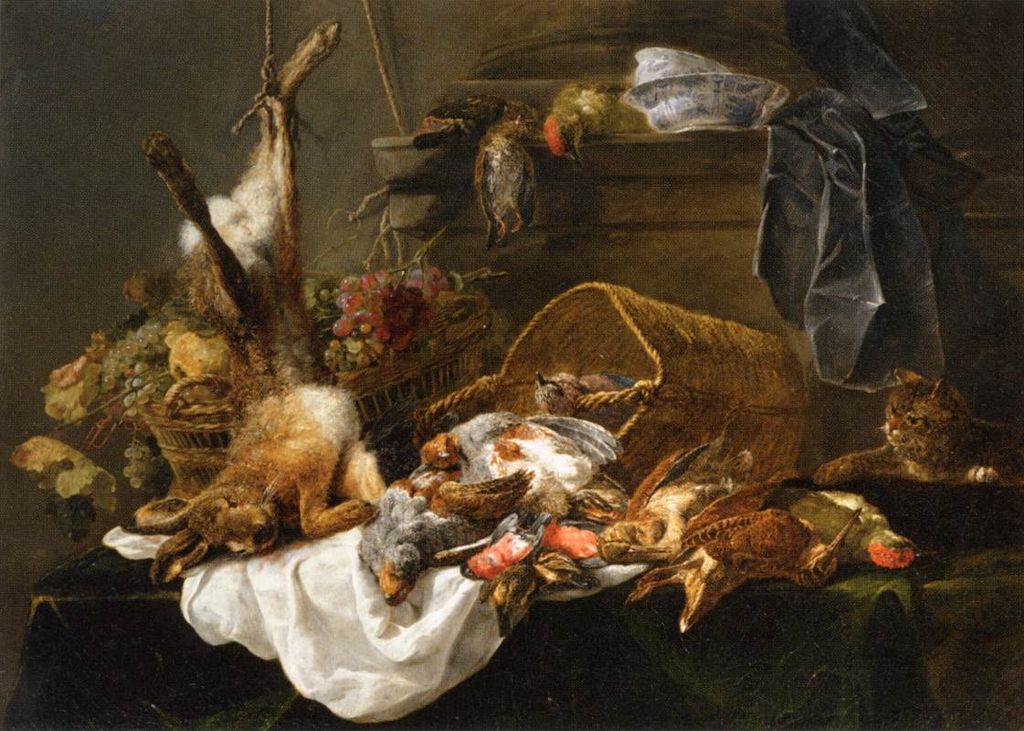
It seems that both the architects of the Brave New World and the serfs who live in it actually fear the state of nature found in the Rousseauian paradise. In fact, we have a profound aversion to nature. Rather than acting like animals, we feel a kind of queasiness not only when we witness the more animal-side of human life, but even when we witness animals acting like animals.

There is an ethical case to be made against vaccine mandates. It is far from straightforward, and it requires careful reasoning and methodical analysis. This conversation would be centered around the question about the role of government in our lives.

Until a few months ago, the French media believed that the presidential campaign would be a repeat of the 2017 campaign, with a second round that would pit Emmanuel Macron against Marine Le Pen and end with the re-election of Emmanuel Macron. Today, nothing is written in stone, and the fundamentally unpredictable nature of political life gives us hope.

Nowadays, HR departments are focused on pursuing a ‘woke’ culture, dictating what staff can say or do or even think (or increasingly not), and introducing evidence-free, trendy but transient initiatives such as mandatory unconscious bias training, and ‘Equity, Diversity and Inclusion’ courses.

In terms of ecology, conservatism is far from a nostalgic fixation. It can feed a profoundly human ecology, testify to a deep love of life, and help develop lasting attachments to a life shaped by the constant search for perfection and harmony.

The ‘classical liberal’ emphasis on negative freedoms tends to appeal to older conservatives, perhaps because they assume that what they grew up with was the spontaneous, neutral state of things, ever ready to mushroom forth again, just as soon as things return to normal. Yet sometimes, finding one’s home means building it, and that might take a village.

As a sovereign country, Ukraine is in its full right to make whatever constitutional reforms it sees fit. Their right to independence is as strong as is Russia’s right to national security. If one is weighed against the other, national sovereignty always wins.

The European Commission’s promotional material makes ‘Next Generation EU’ comes across as oddly remote from the task of actually facilitating Europe’s next generation. Nor is it meant for a specialized audience, as it lacks any reference to how one might actually procure the product being advertised—namely, funding.
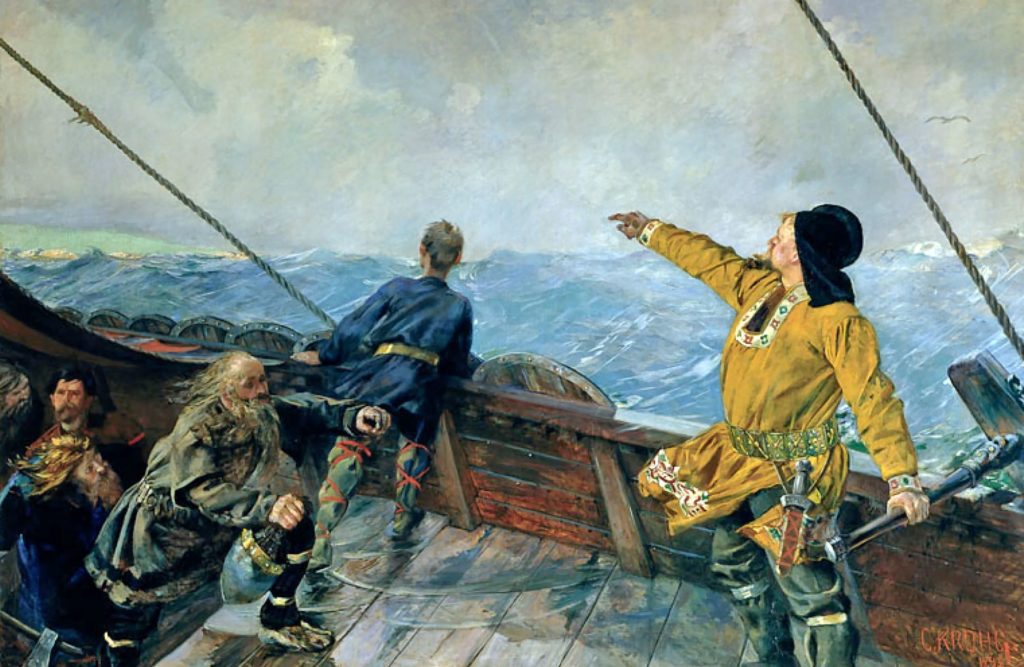
We rarely learn from history; but we persistently repeat it.
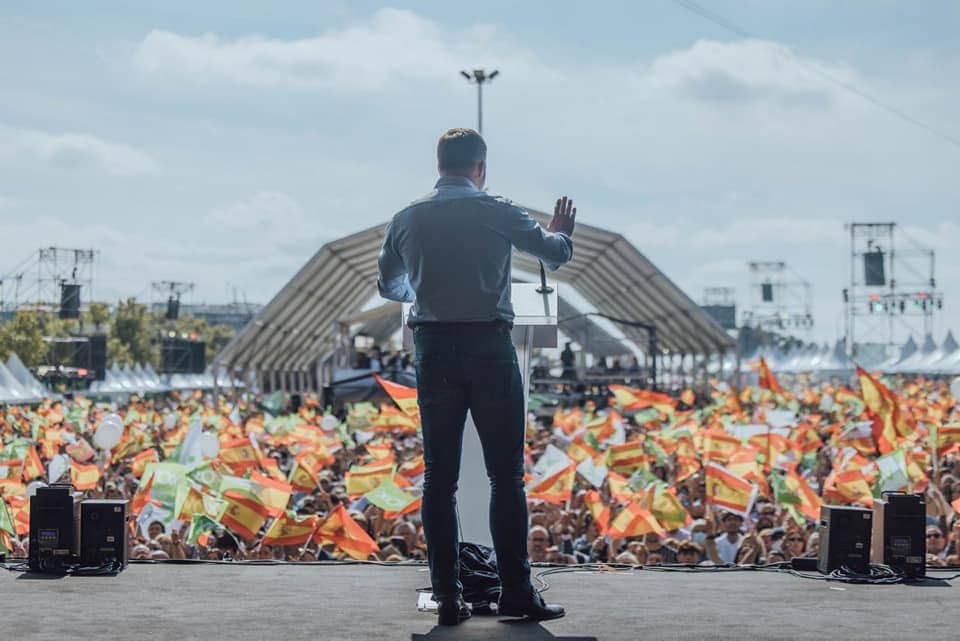
The critiques of postliberals are all useful correctives in this regard. Nonetheless, conservative scholars—and perhaps even more so conservative politicians—must beware the potential perils of embracing postliberalism as a term and concept.
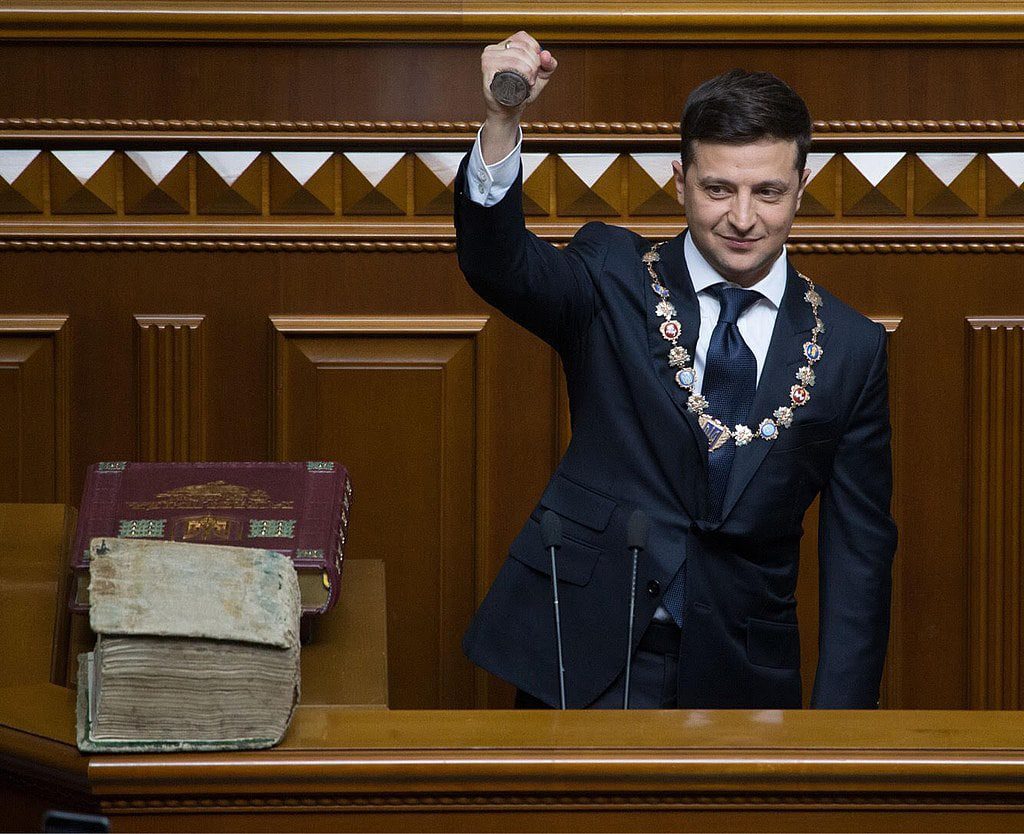
A reformed Ukraine could be the most dangerous development imaginable for those in Moscow who would like to keep things the way they are.