

China To Crash EV Market and Paralyse Motorists in UK
MPs insist that the government must “learn from the Huawei experience.”

MPs insist that the government must “learn from the Huawei experience.”

Almost one-and-a-half years since the start of the war, experts suggest that fighting may continue for years on end, resembling World War I.
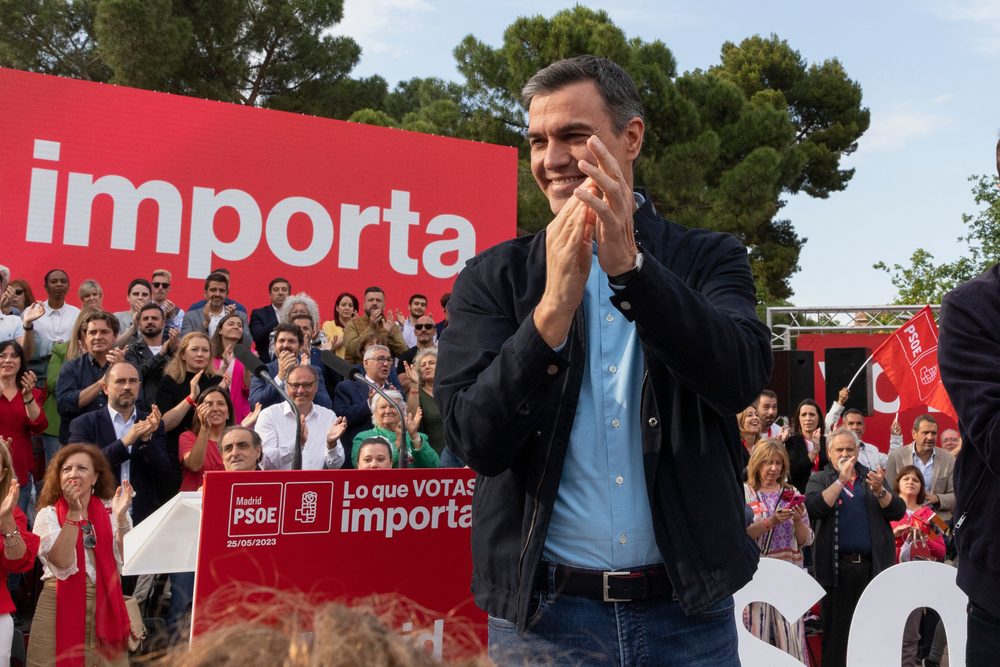
In an almost comedic turn of fortune, a recount in Madrid—to the benefit of the conservative PP—could mean the socialists will require the single in-person vote of exiled Catalan leader Carles Puigdemont.
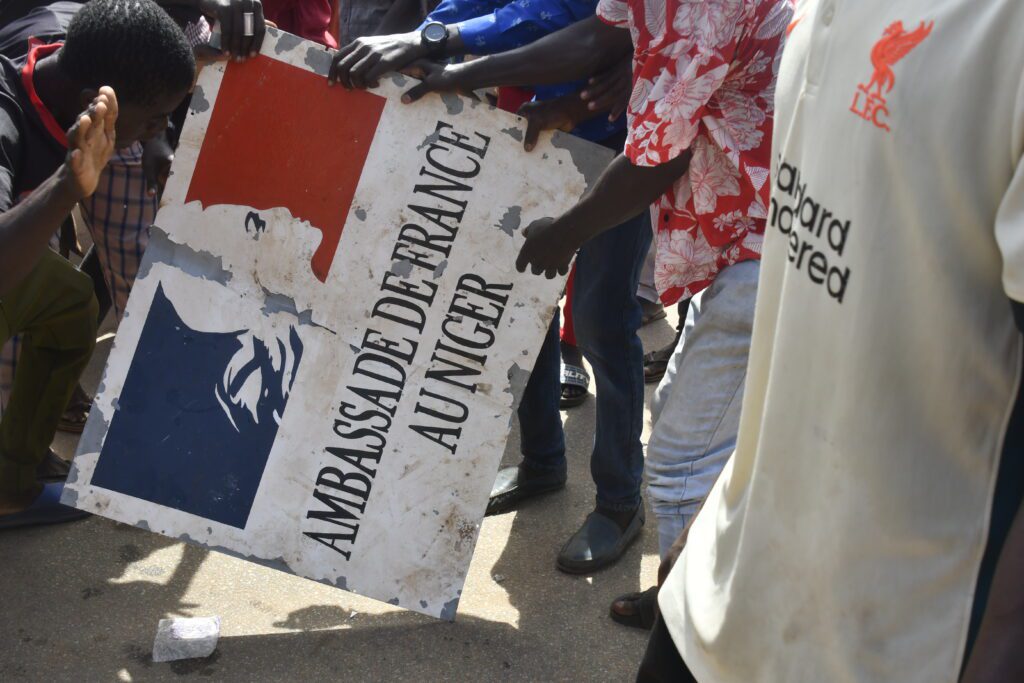
Goodwill towards France is dwindling precipitously in the post-coup Niger. French flags were burned at the French embassy, while locals shouted anti-French slogans.
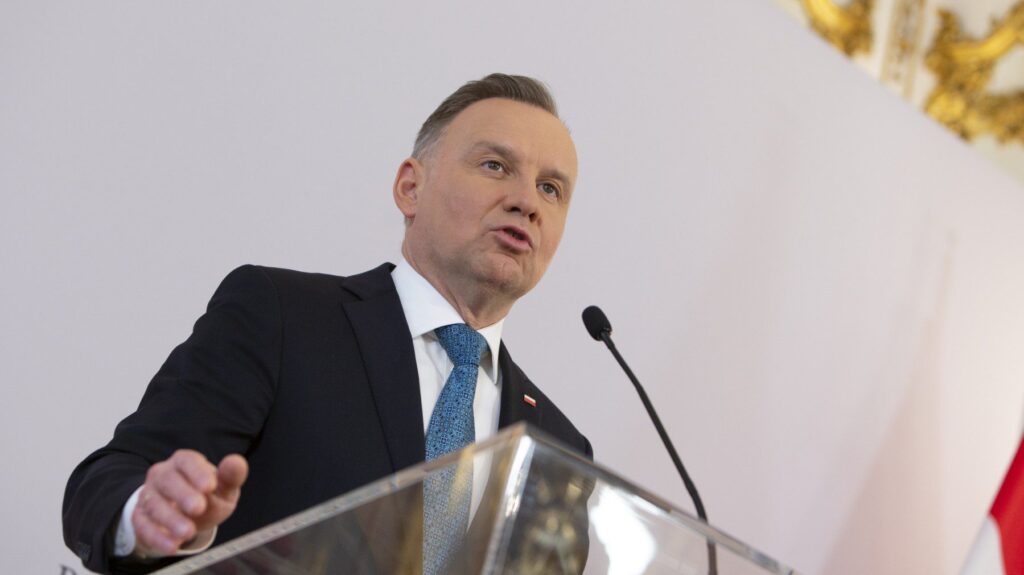
An advisory body for the Council of Europe has come out strongly against the law, noting that its approval this close to Poland’s general elections this fall would create an uneven playing field.
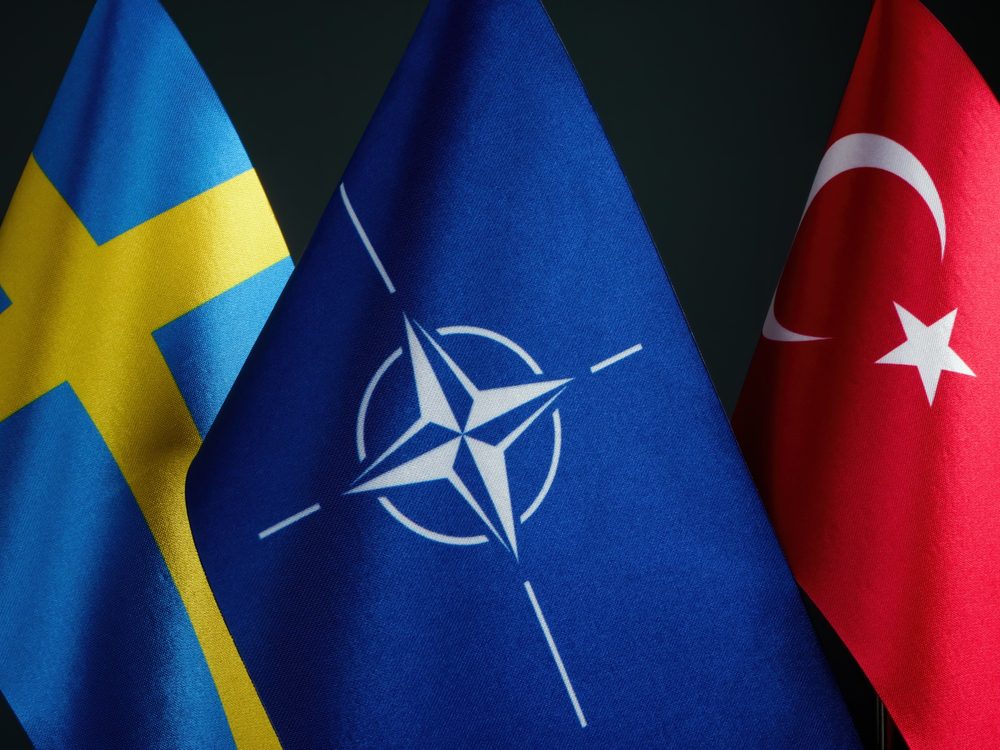
Swedish PM Ulf Kristersson said on Sunday that “We are in the middle of the most serious security policy situation since World War II.”
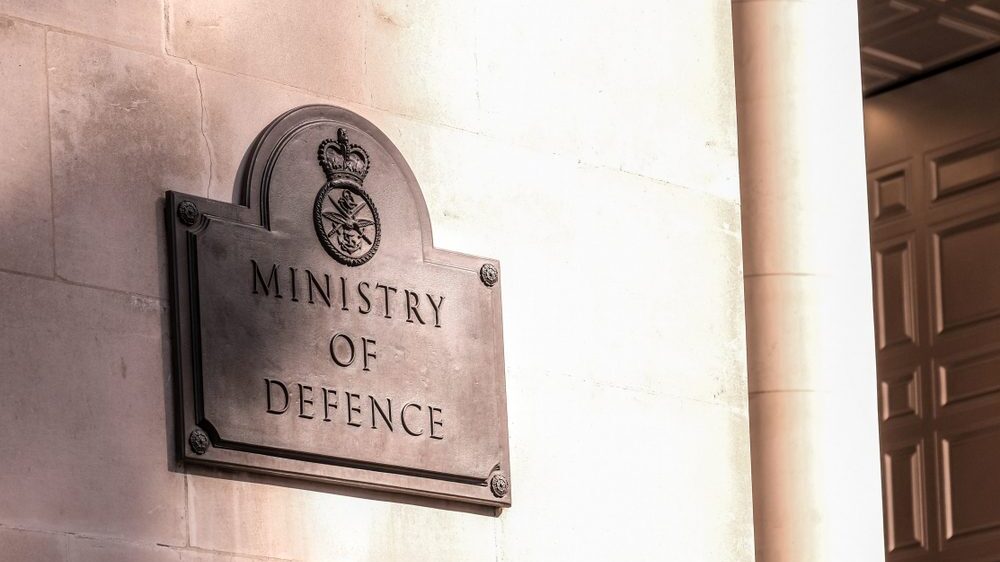
A simple typo has resulted in a Russia ally receiving “detailed descriptions of British research into hypersonic missiles.”
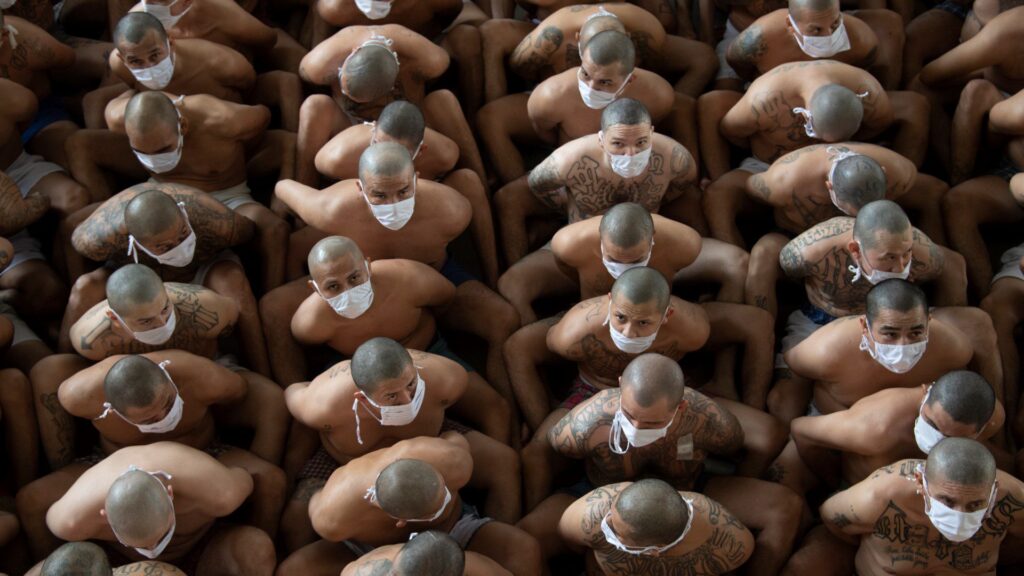
While President Nayib Bukele’s hard-line approach to the notorious Barrio 18 and MS-13 gangs has consistently garnered him approval from Salvadorean voters, he has been painted as a dangerous authoritarian figure, whose emergency measures constitute various human rights violations, including arbitrary arrests and mistreatment.

Tens of thousands of people are set to arrive in the next three months, but the government is adamant that it will clear the asylum backlog by the end of the year.

Though no evidence of espionage exists, Western European universities are following the advice of their intelligence agencies.
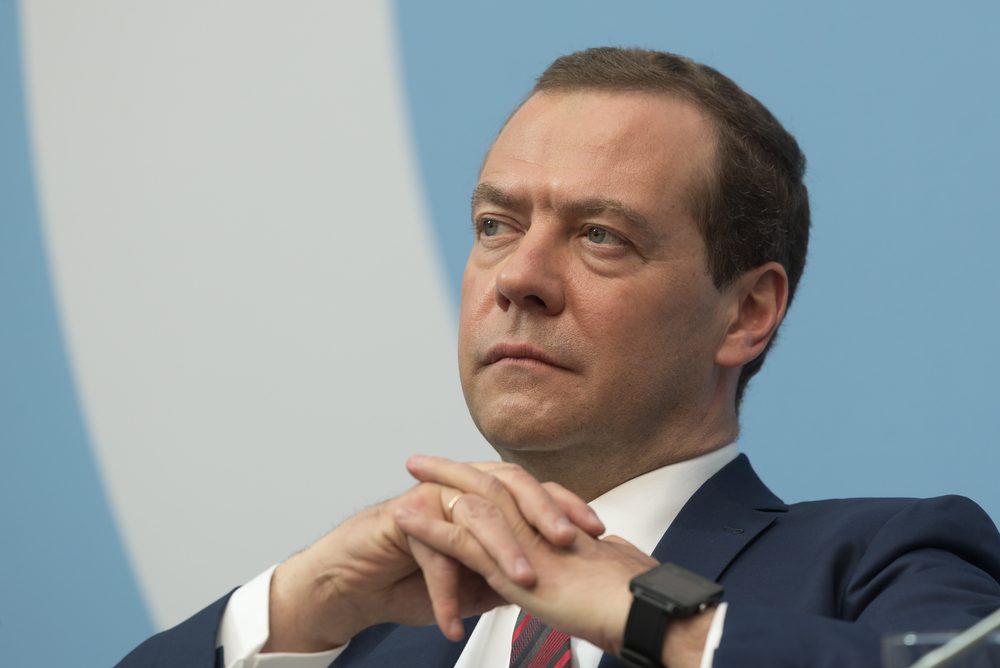
Dmitry Medvedev said that “all of Ukraine still remaining under Kyiv’s rule will go up in flames,” should the new U.S. missiles be used to attack either mainland Russia or Crimea.
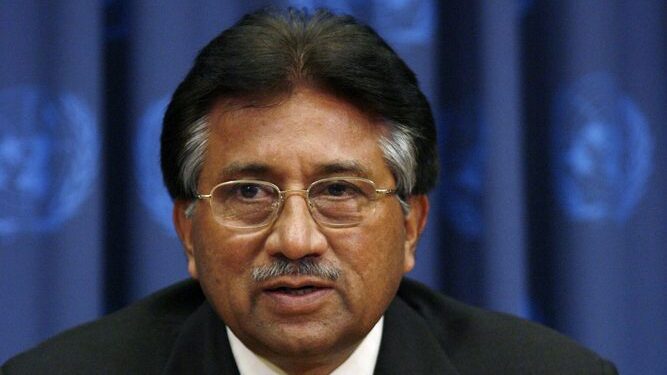
During his time in power, Musharraf worked to become an indispensable figure in combating radical Islamic extremism in the region.
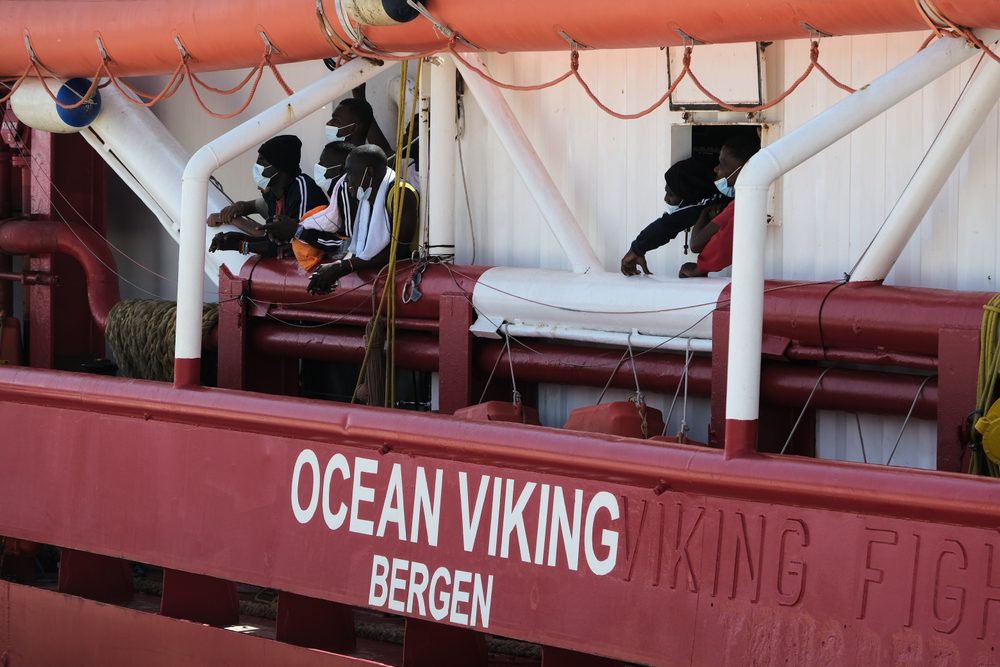
Responding to the Council’s claims that the decree violates international law, Italian Interior Minister Matteo Piantedosi said, “the modus operandi of the NGOs falls outside the scope foreseen by international conventions for rescue at sea.”
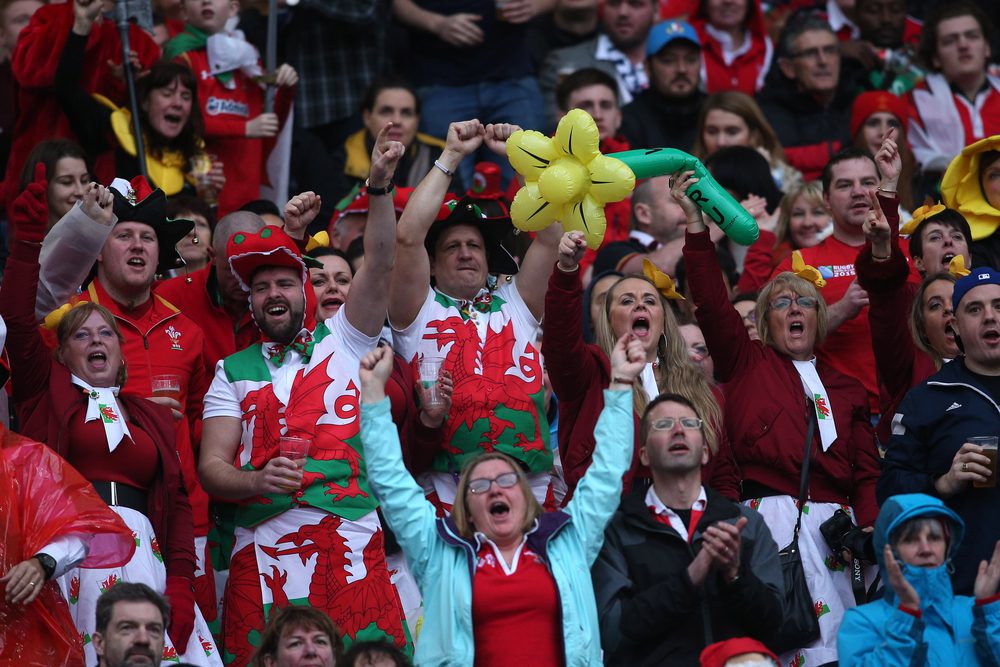
Toby Young, general secretary of the Free Speech Union, criticised the decision, made by “finger-wagging puritans,” as “ridiculous.”

Conservative MP Michael Cooper called for the “dangerous” provision to be “scrapped,” since “irremediability cannot be determined for mental illness.”
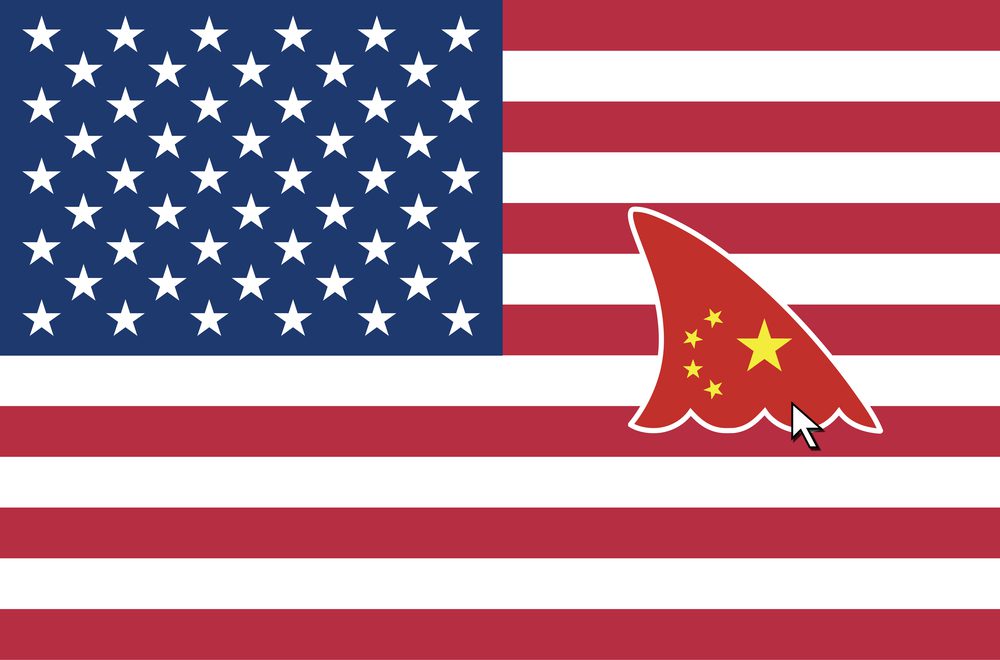
The postponement of Blinken’s trip means yet another delay in stabilizing Sino-U.S. relations, which were already dangerously fraught.
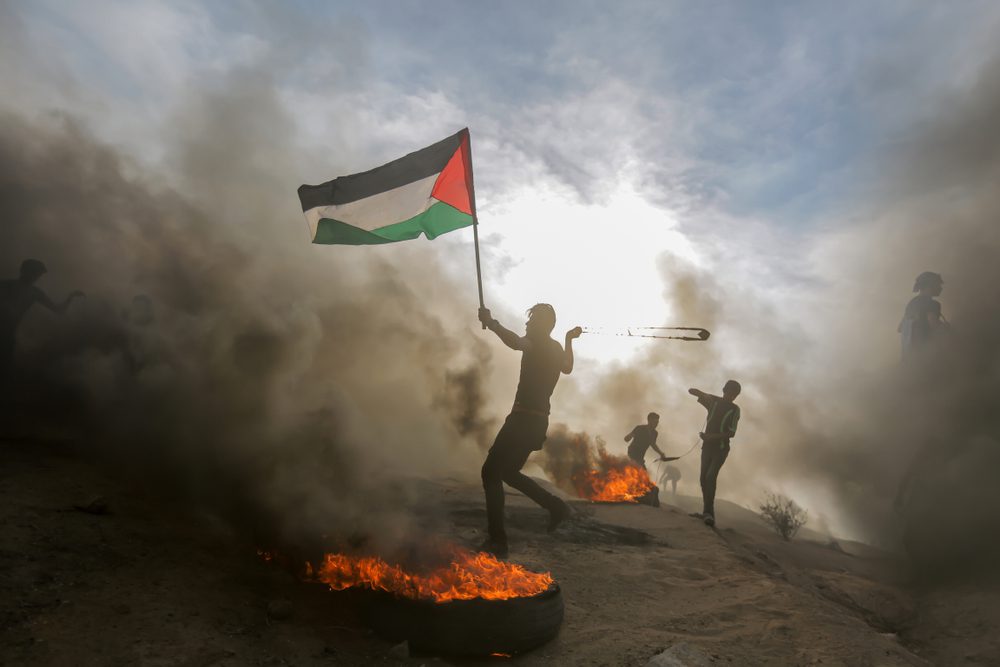
“A thorough and responsible review of this open-source information should convince governments to end funding to these organizations,” Itai Reuveni, Director of Communications at NGO Monitor said.

The present challenges come on top of an already difficult economic situation for the country—one, in part, precipitated by a shortage of skilled workers and moderate productivity development.
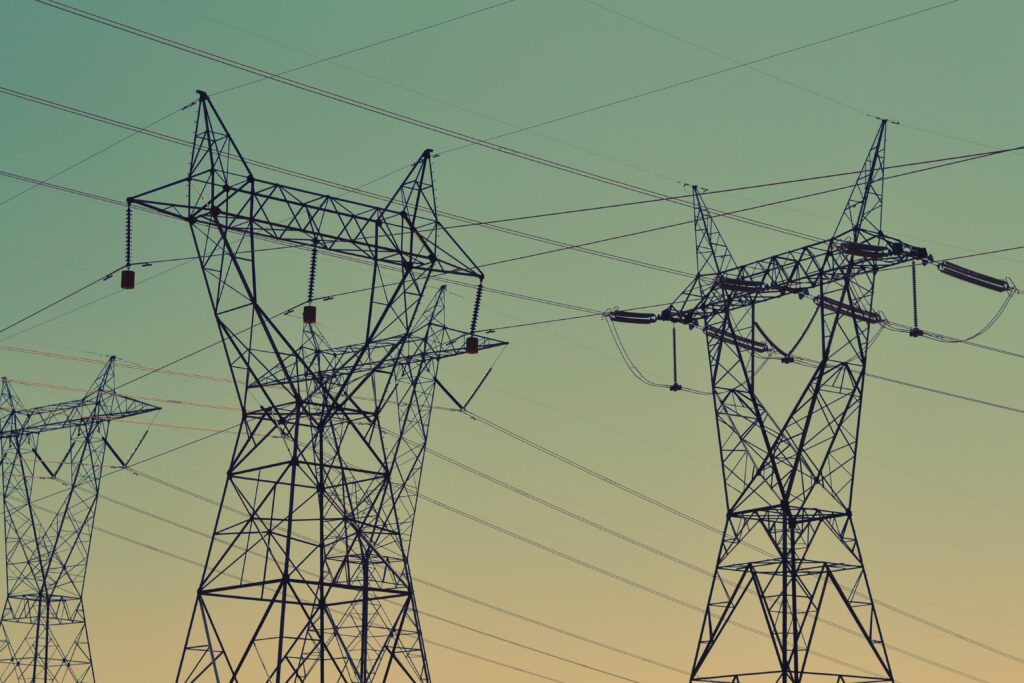
The commission and government are considering options to restructure the bloc’s common electricity market, and move it further away from natural gas dependence while stabilising consumer prices.
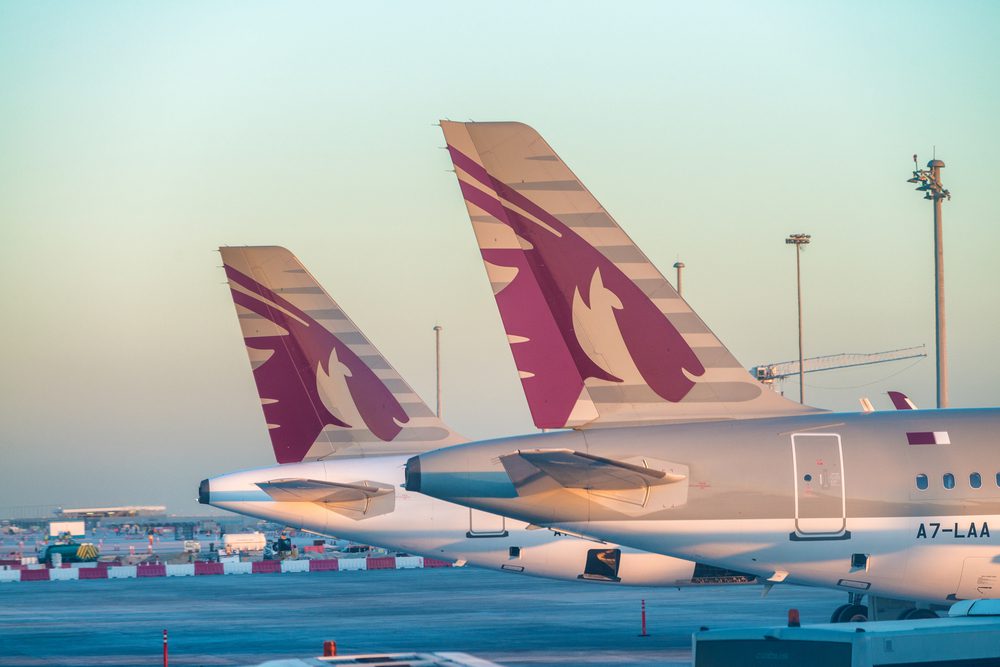
The European Parliament is not convinced by the Commission’s reasoning and wants further scrutiny of the agreement.
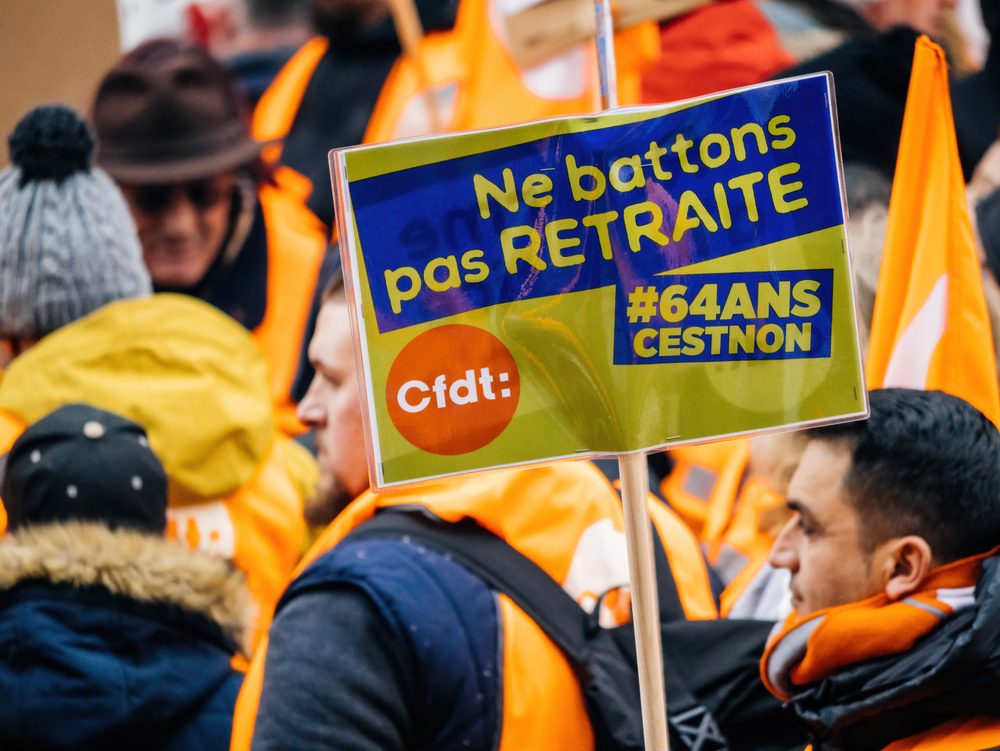
At the end of the day’s strike, Prime Minister Elisabeth Borne announced that she had heard the “questions” and “doubts” raised by the reform but wanted to continue the debate in the national assembly.
The new hotline was created with the support of the Corporate Europe Observatory, which received just under €800,000 in funding from the Soros Open Society Foundation since 2014.