

Migrant Shipwreck on Italy’s Southern Coast
Most of those who were rescued or made it to shore alive were adults. Two minors ages 12 and 16 also survived.

Most of those who were rescued or made it to shore alive were adults. Two minors ages 12 and 16 also survived.

“Now would be the right time to decide to abolish unanimity” voting in the Council, said the EPP chief, suggesting reforms toward deeper EU integration.
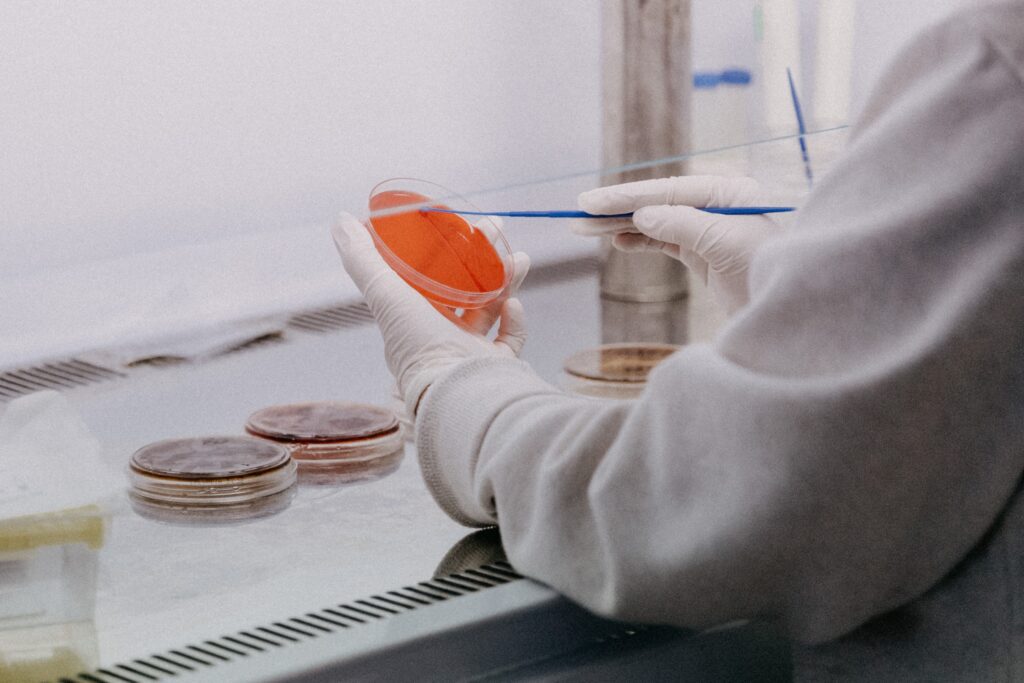
The U.S. Energy Department has joined the FBI in concluding that COVID-19 was likely accidentally released from a Chinese lab.

Volkswagen and Hyundai announced plans to shift production to the U.S.; now Audi CEO Markus Duesmann also projects moving operations to America.
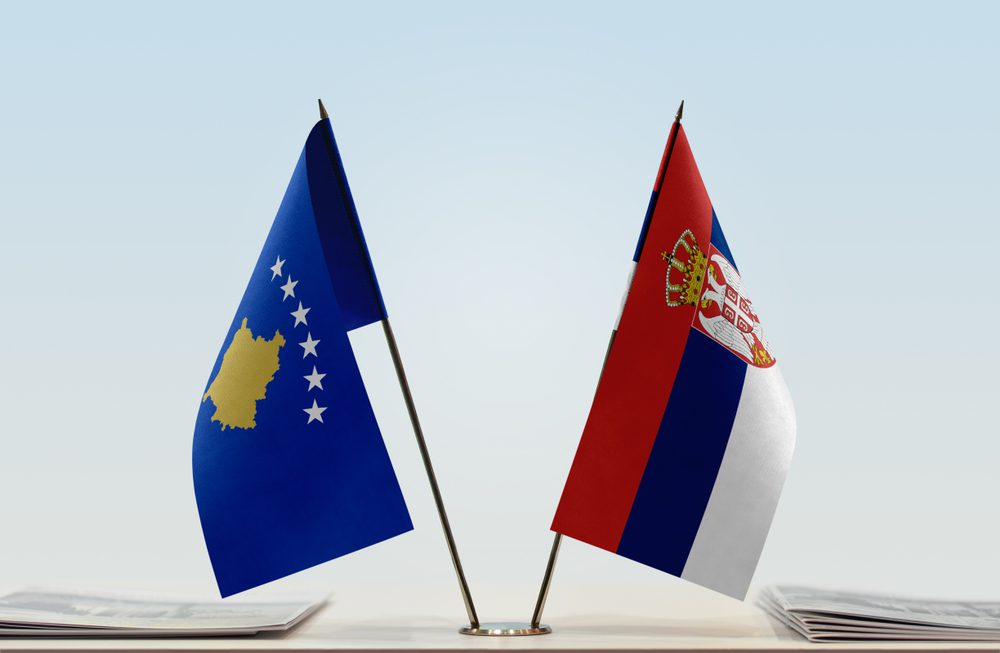
The leaders’ endorsement of the deal represents a major breakthrough for their countries’ deadlocked relations.

The Commission’s new repatriation plan comes as support for national-conservative parties increases—a trend that, for the moment, shows no sign of abating.

Ian Fleming’s biographer has stated that “that what an author commits to paper is sacrosanct and shouldn’t be altered.”

The prosecutor’s office confirmed that the seizures had nothing to do with the separate Qatargate scandal.
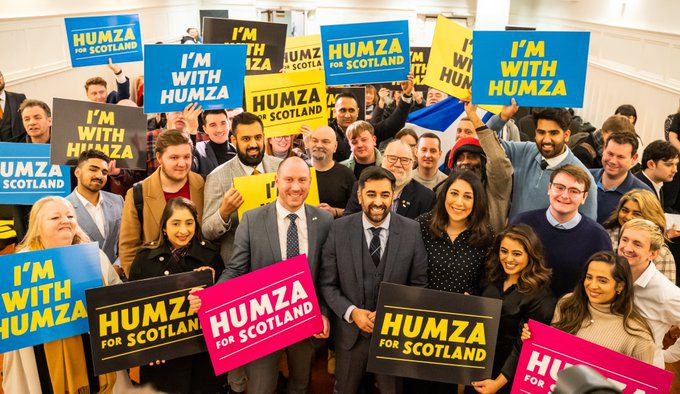
Progressive Islamist? Humza Yousaf is, “at the very least, Islamist adjacent,” reveals FWI’s latest report detailing the top Scottish candidate’s uncomfortable connections to extremism.

The rise of the Right in the small Baltic country may be part of a bigger regional trend toward conservative governments.

In order to cripple the Russian war machine, Austria has been in support of EU sanctions. Yet, these hurt Europe’s economy while significantly lowering living standards in the process. Now that their effectiveness is increasingly in doubt, Austria stands out among member states for pursuing a diplomatic solution to the Ukraine debacle.
On April 13th, Ali Harbi Ali was sentenced by the presiding judge to a whole-life prison term. While also citing Mr. Ali’s lack of remorse, Mr. Justice Sweeney said: “This was a murder that struck at the heart of our democracy.”

Despite making up approximately 12% of the population, foreign nationals—that is to say those living in Germany with foreign passports—last year comprised 37.7% of suspects arrested for violent crimes such as assault, manslaughter, and murder, data from the BKA has revealed.

Proceeds from the sale of scammer Anna Sorokin’s drawings are intended to cover her legal costs, with 15% of the revenue to be donated to an “unspecified children’s charity.”
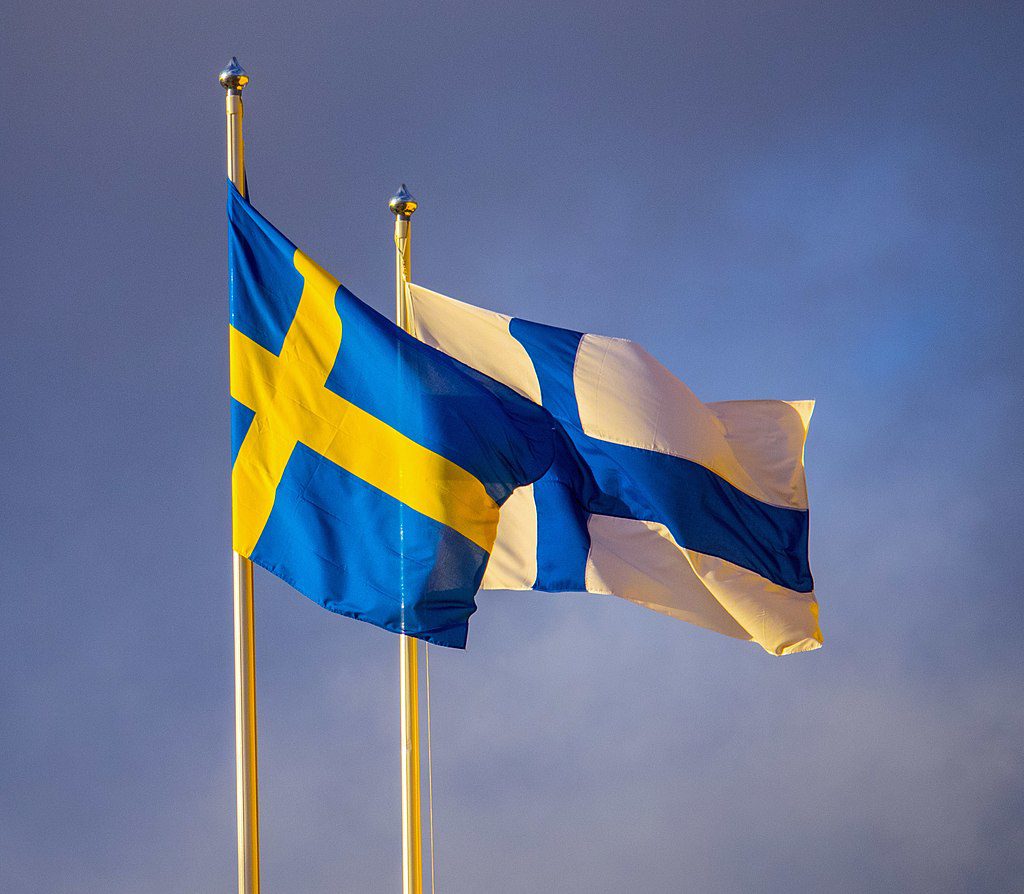
A statement from the Russian government repeated Moscow’s long-standing opposition to further expansion of NATO. This, Russia says, “will not bring stability to the European continent.”
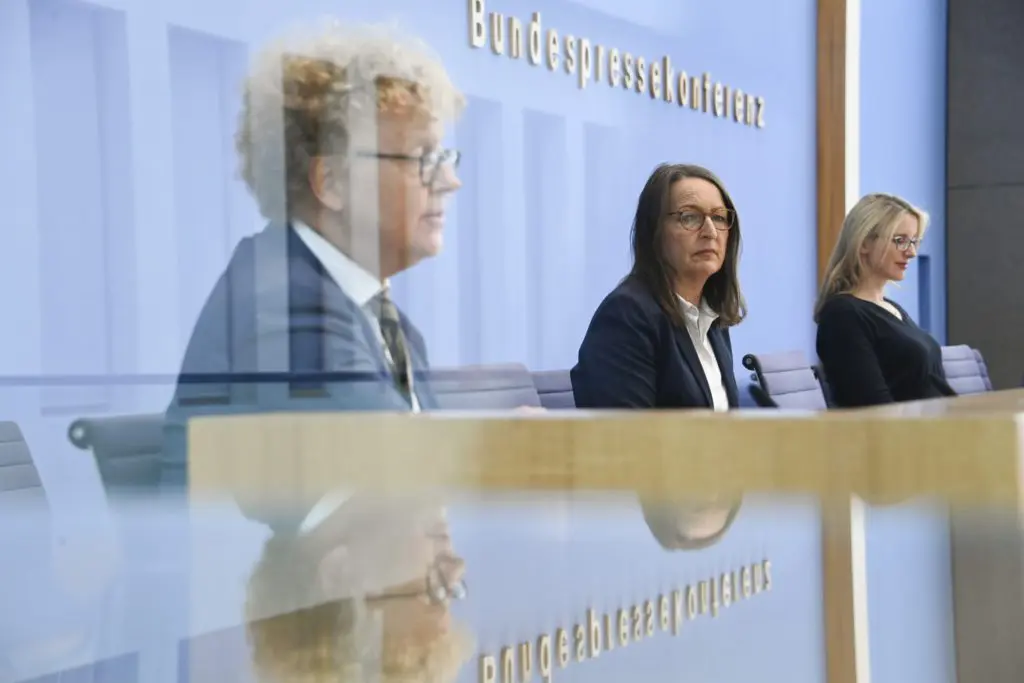
The German Ethics Council released a statement criticising politics and media for their crisis management during the pandemic, calling for measures to be “democratically legitimised,” while conveniently forgetting how the Ethics Council helped shape those very measures they now criticise.
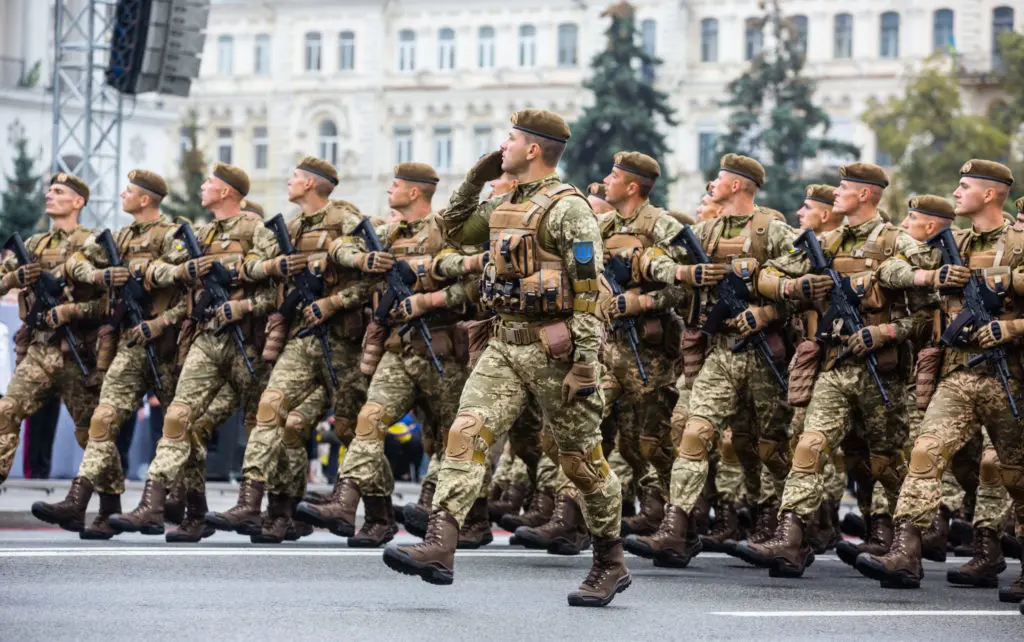
The New York Times’ verification of the video’s authenticity comes amid recently surfaced video footage depicting the abuse of Russian POWs.
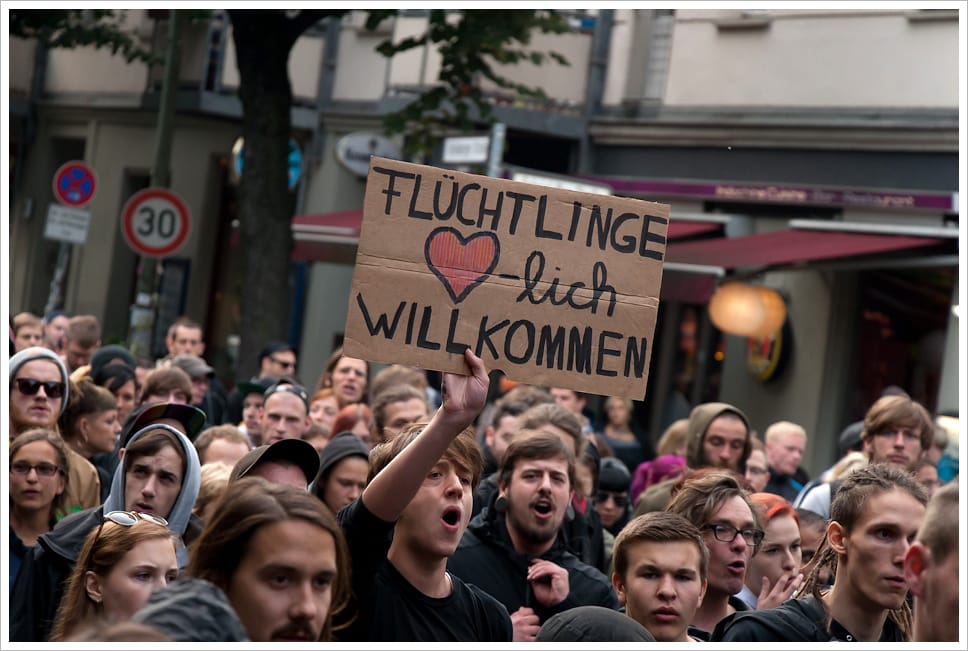
Following a decision by the German Conference of Minister-Presidents, Ukrainian refugees are now being treated as recognized refugees, giving them access to better healthcare, basic benefits, and the workforce. Critics fear this might create a new pull-factor within the EU.
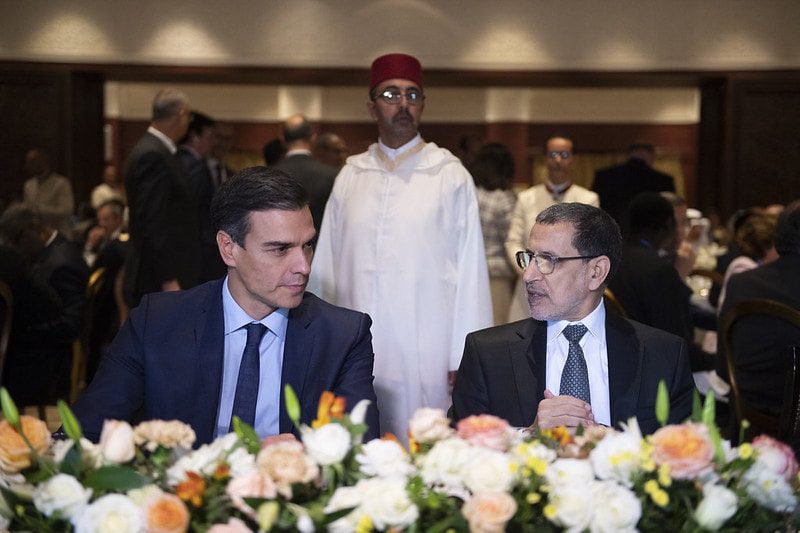
The more concessions the socialist-led government makes to Moroccan territorial pretensions, the more VOX promises a dramatic change in the country’s geopolitics should it enter a future coalition.
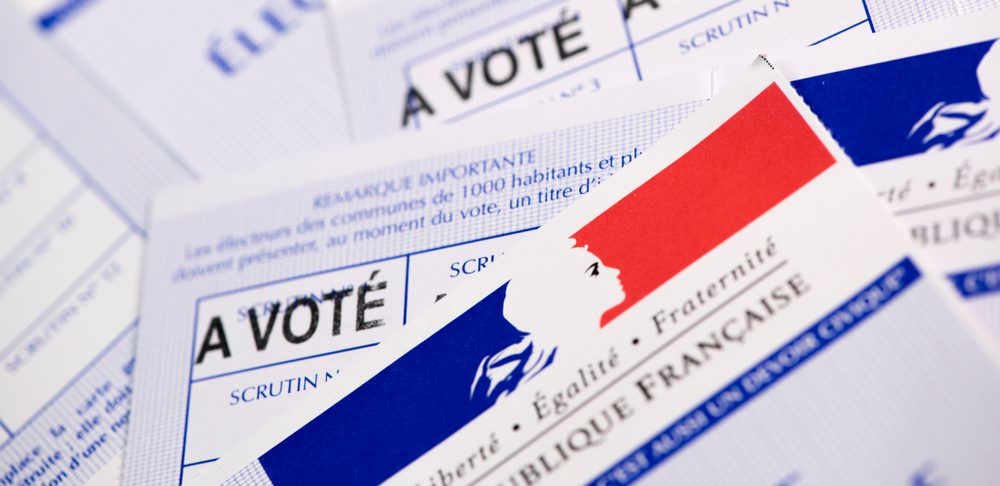
Repositioning French political forces began as soon as the results were announced. Even if the headliner is the same as in 2017, the balance of power and the political situation have radically changed.
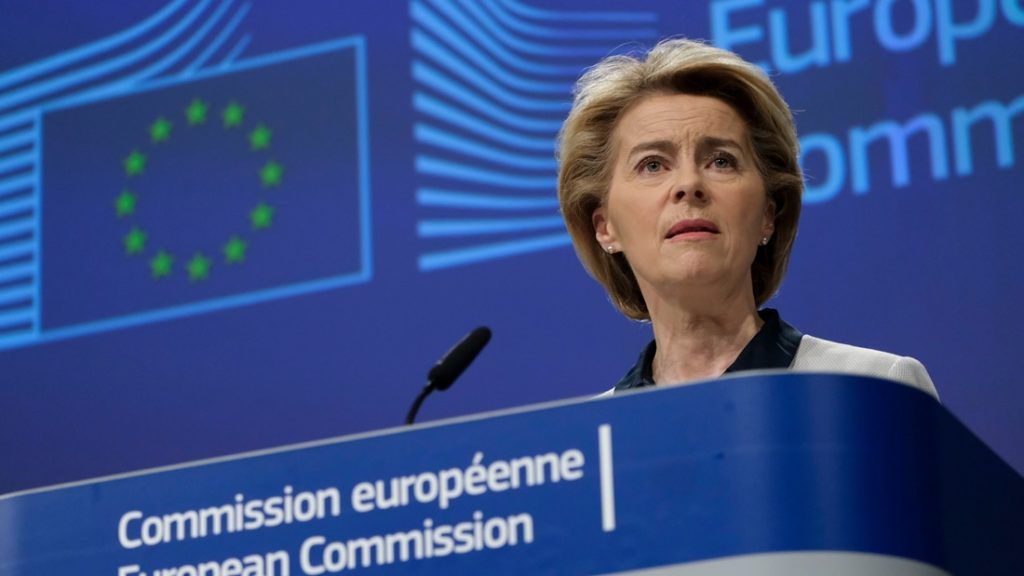
Questions of bias by European institutions towards Hungary become obvious, given the timing. Ursula von der Leyen’s decision to accelerate the procedure following Orbán’s electoral triumph on Sunday, April 3rd, could easily be seen as sanctions.
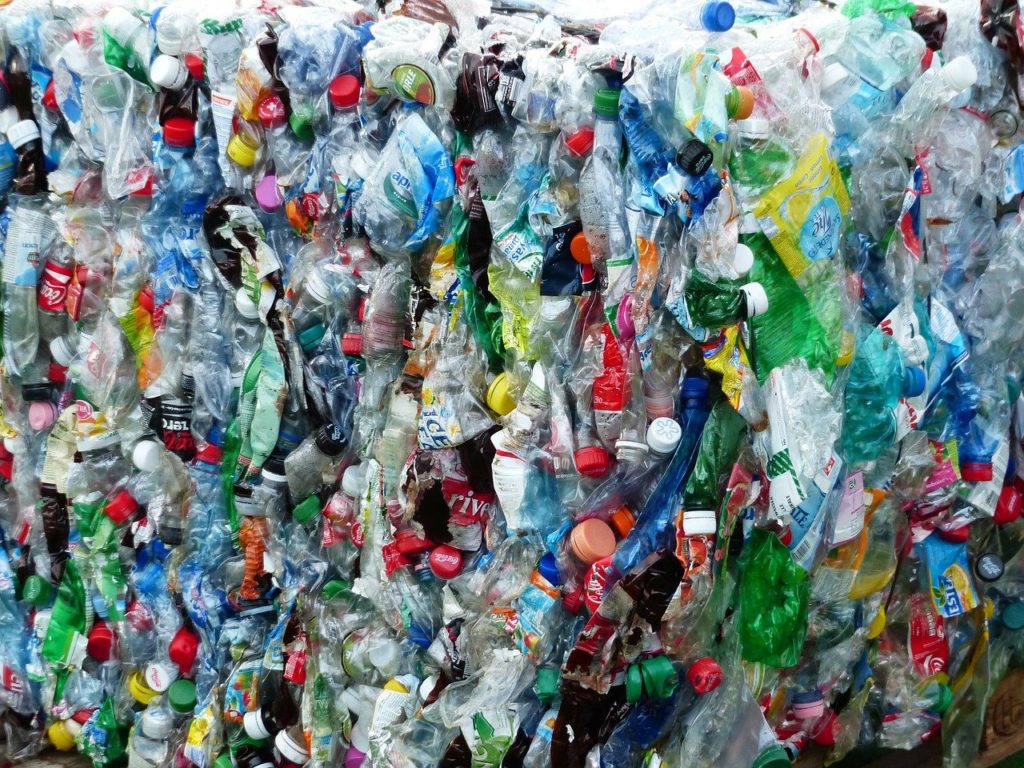
It is for future research to determine how these particles can be evacuated from the body, and what the full scope of their effects are. On the other hand, it is for policy-makers and civil society to eliminate the use of plastic in contexts and at levels that have a negative impact on public health.