
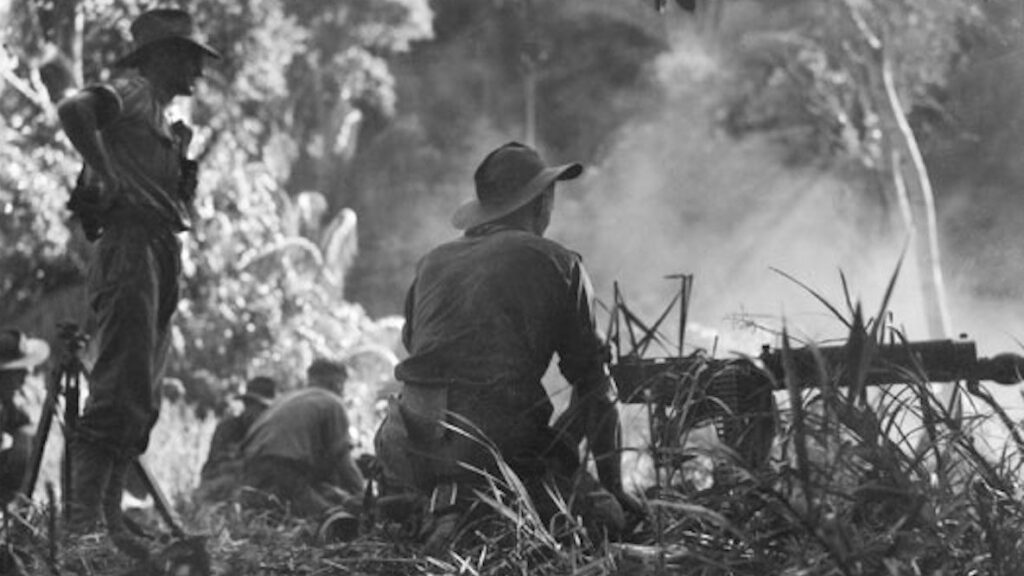
Lost Worlds and Lost Causes
Both the novel and the memoir touch on themes that are sadly out of fashion today: the brotherhood of arms crossing ethnic and cultural divides, individual bravery in battle, and the manly quest to build empires.

Both the novel and the memoir touch on themes that are sadly out of fashion today: the brotherhood of arms crossing ethnic and cultural divides, individual bravery in battle, and the manly quest to build empires.
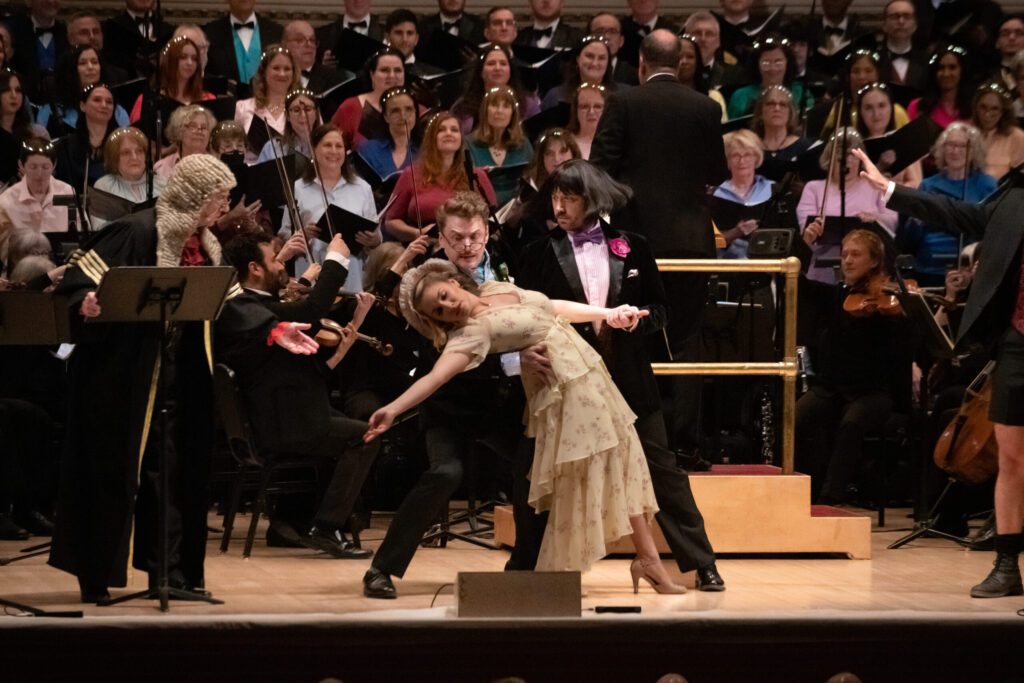
MasterVoices does not appear to be planning any Gilbert and Sullivan next season, but it should consider exploring that repertoire as it moves on. Events in Britain might just demand it.
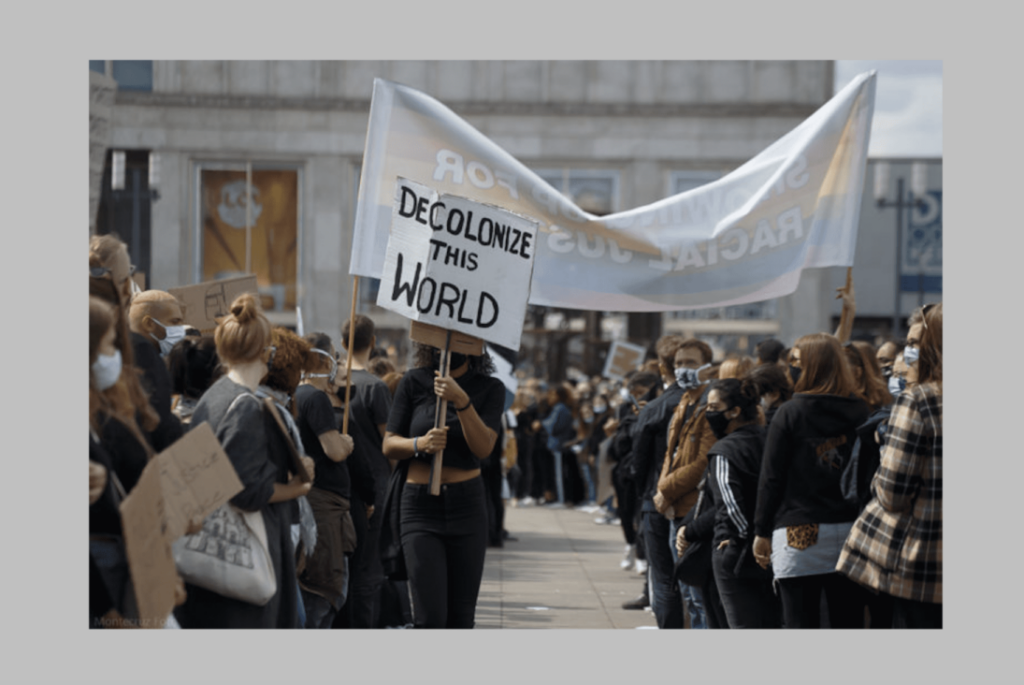
A new book by ethicist Nigel Biggar argues that post-colonial guilt has been blown out of proportion.
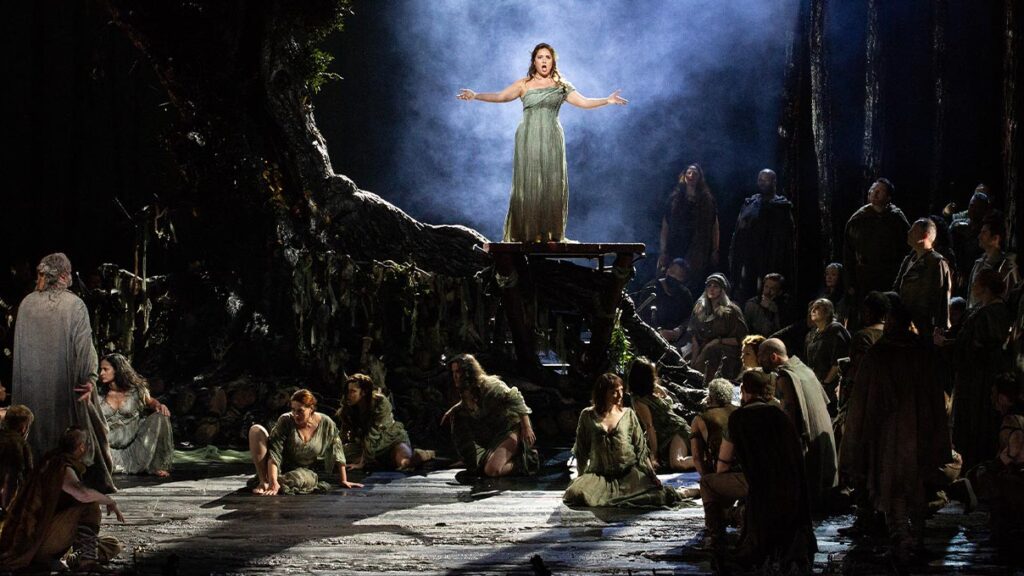
Sonya Yoncheva lacked that flame in crucial moments, though comparative listening across performances suggests that Maurizio Benini’s pedestrian conducting may well have been the culprit.
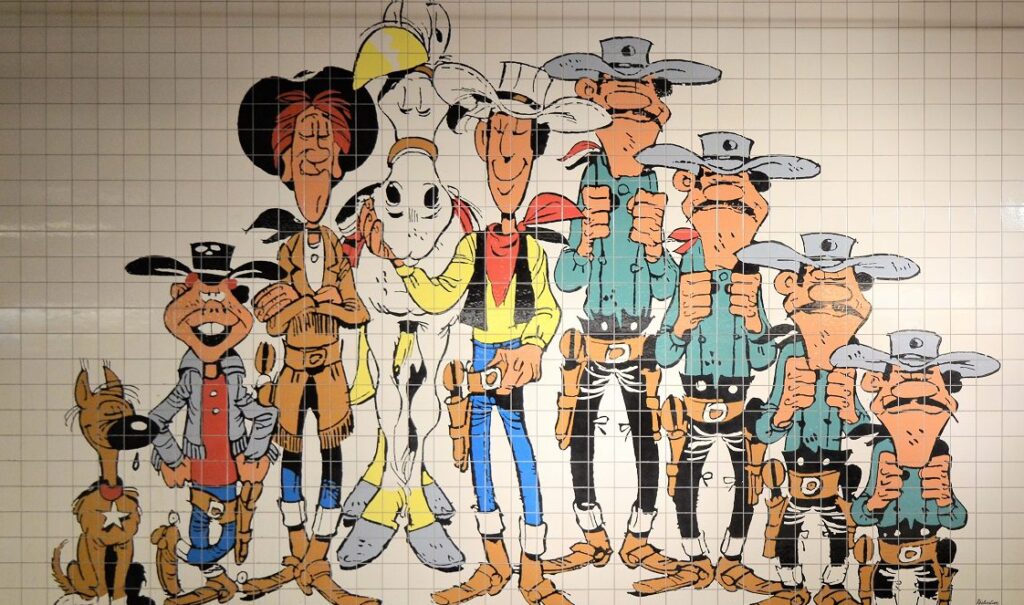
The old cowboy has had the great luck to be written and illustrated by people who love and believe in the original Luke, people who recognize that we still need joyful stories about heroes.

Defending tradition in an anti-traditional world such as ours requires both belief and boldness. Tim Stanley manifests both, combining wry humour and a sense of peace with the world unseen in many political polemics.
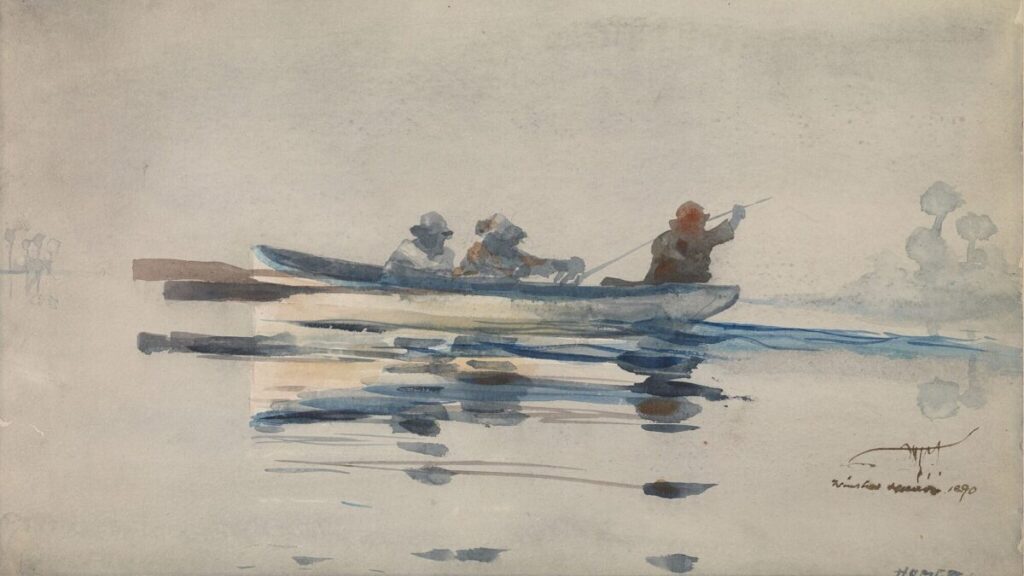
An honest sense of one’s own failings and shortcomings is part of what makes levity possible. One of the best books I know for inculcating humility through humor is Jerome K. Jerome’s novel, Three Men in a Boat (To Say Nothing of the Dog).

In The Crowd, Le Bon warns that when ideals are erased, cohesion is lost, individual characters weaken and develop excessive egoism, and, as their capacity for self-sufficiency diminishes, they become increasingly reliant on the government to direct them.

The program gave a splendid overview of ‘America’s Mezzo’ Susan Graham’s legendary career across the operatic firmament as well as in the jazzy tunes of the American Songbook. One only missed her triumphs in the operas of Richard Strauss.

Lohengrin, with its lush music and tragic exploration of trust, betrayal, and forbidden knowledge, has imaginative gifts to offer contemporary audiences. The music still soars, but only to the cave ceiling, not to the skies.

The score of Tristan, an opera that commands what Dudamel claims to be his obsession, radiated brilliantly with a fine Gallic touch from the Opéra’s orchestra.
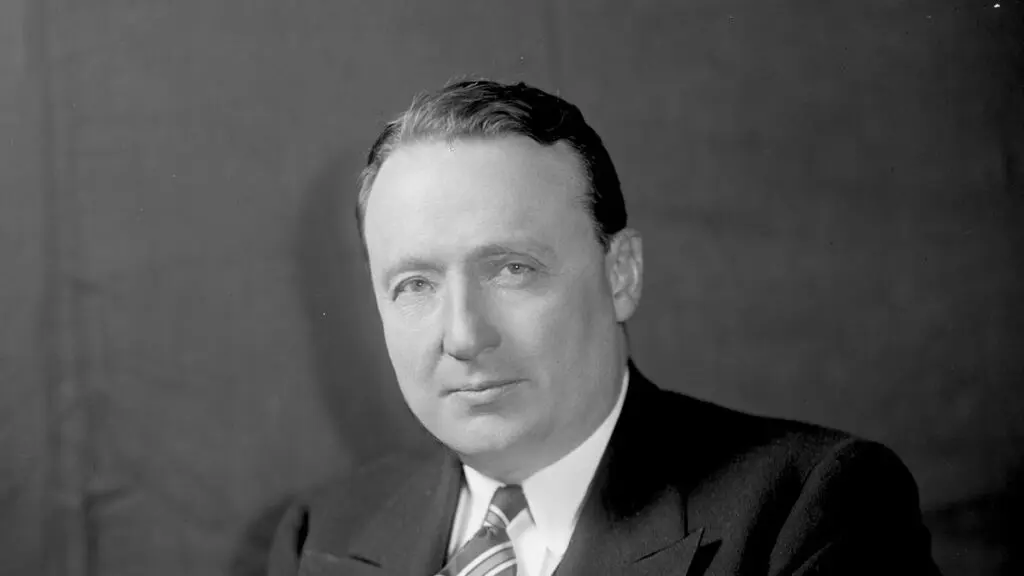
In this biography, Christopher J. Farrell describes an extinct species—a muscular liberal and hardcore anti-Communist. It is interesting to read about a man like Earle in an era where, according to progressives, there are mere inches between calling for tax cuts and becoming Hitler.
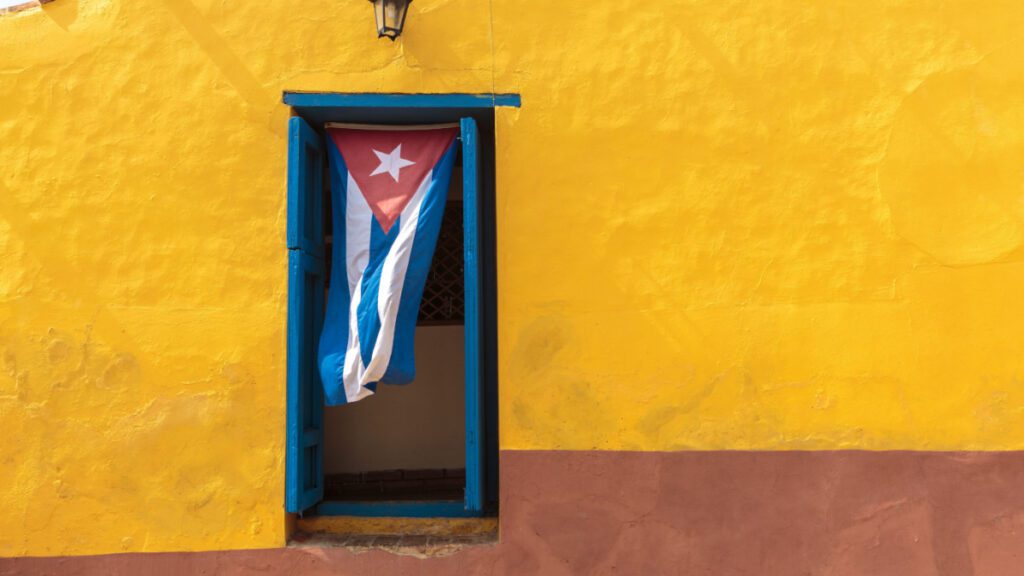
A Pulitzer-prize winner chronicles Oswaldo Payá’s lifelong struggle to bring democracy to Cuba.
Fighting Back does more than simply hope that the dire state of our culture can be reversed. It offers practical strategies, across every aspect of life, for turning things around and emerging victorious.
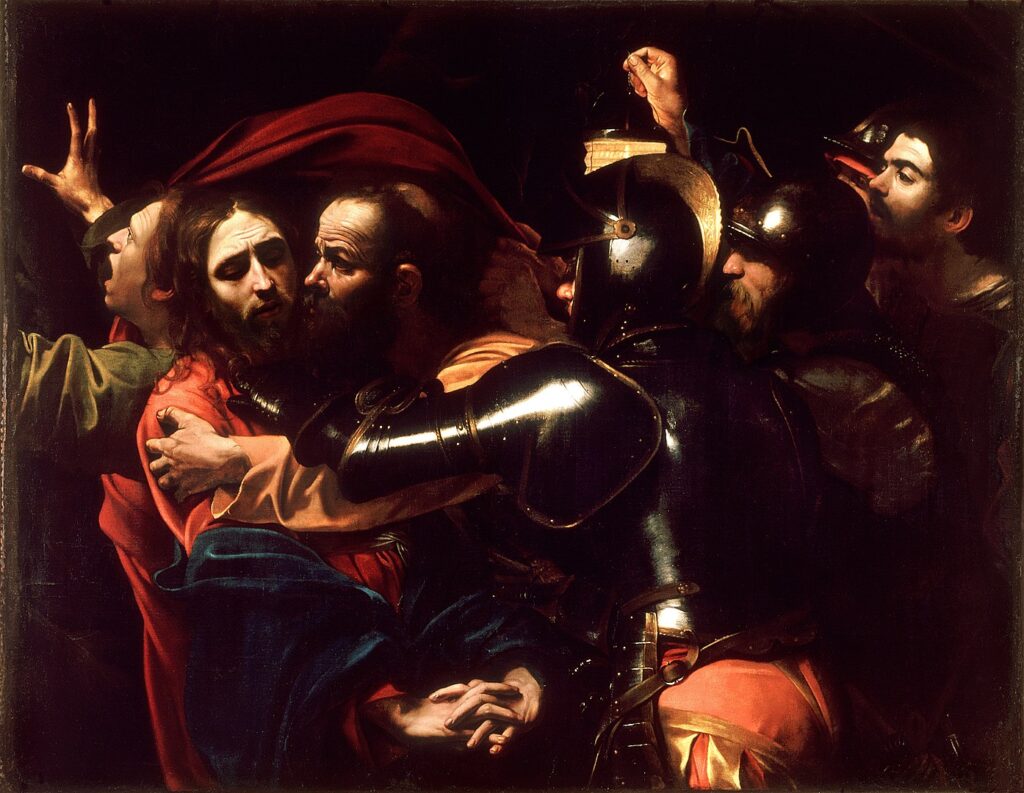
Jesus Christ died unlike he had lived: politically. D. L. Dusenbury urges us to reassess the gospels.
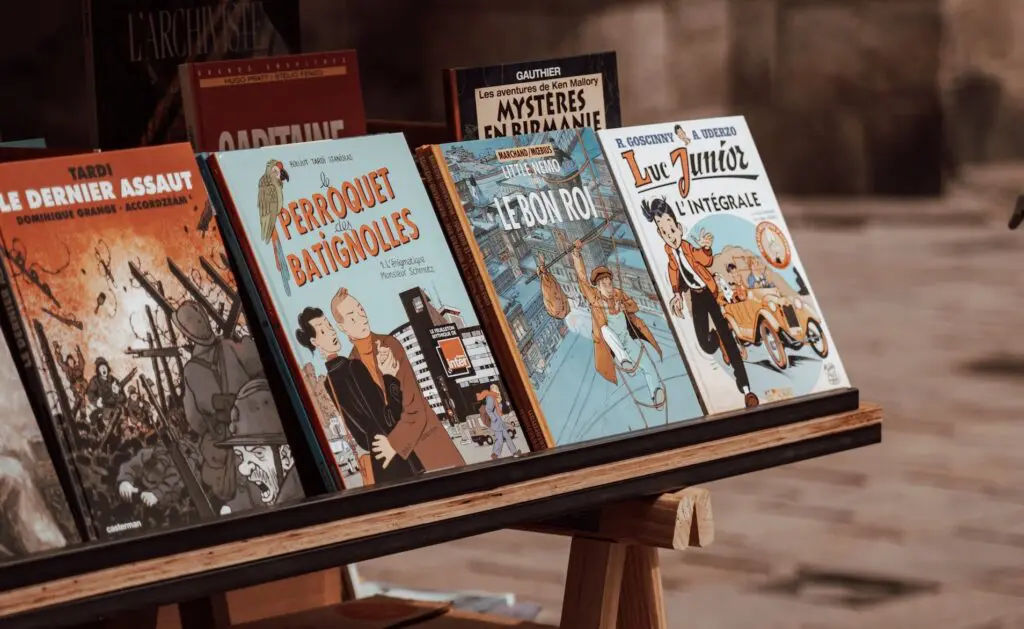
Are comics, as some Francophones argue, a distinct ‘9th art’? In the first of a monthly series, Felix James Miller argues they are and introduces readers to some of the delights of the art form.
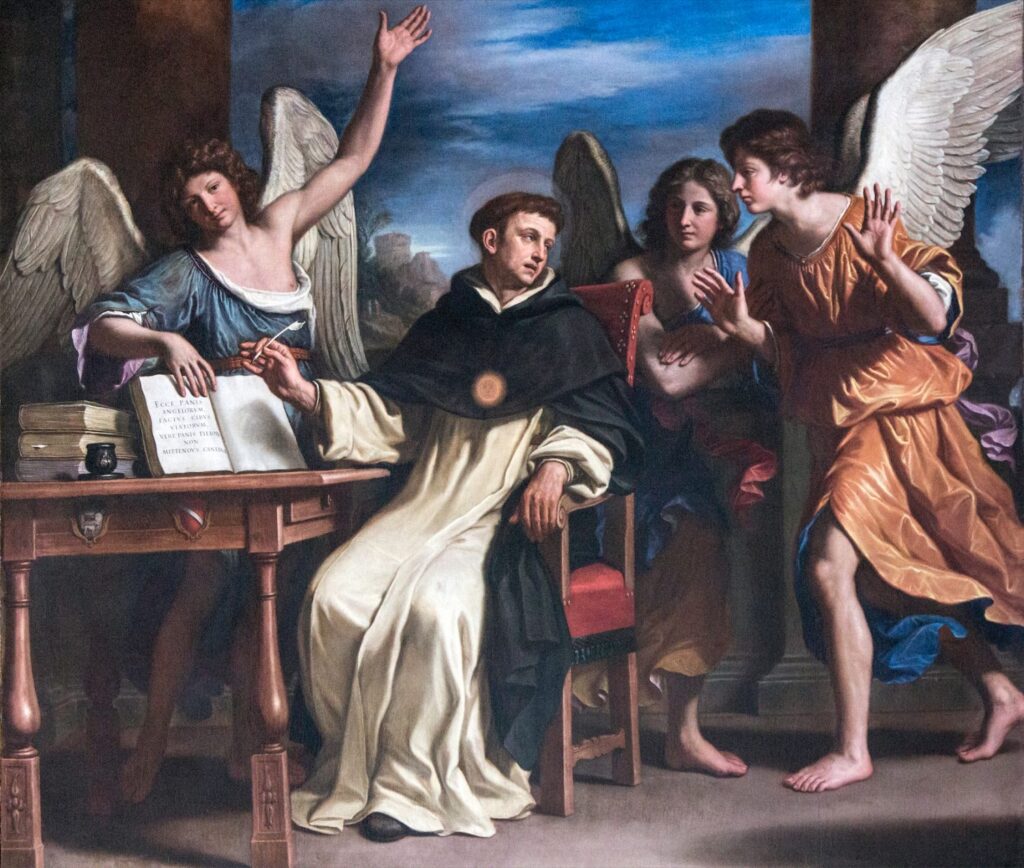
The theology of St. Thomas Aquinas is suitable for leading today’s secular and increasingly godless world back to the salvation of the Gospel.
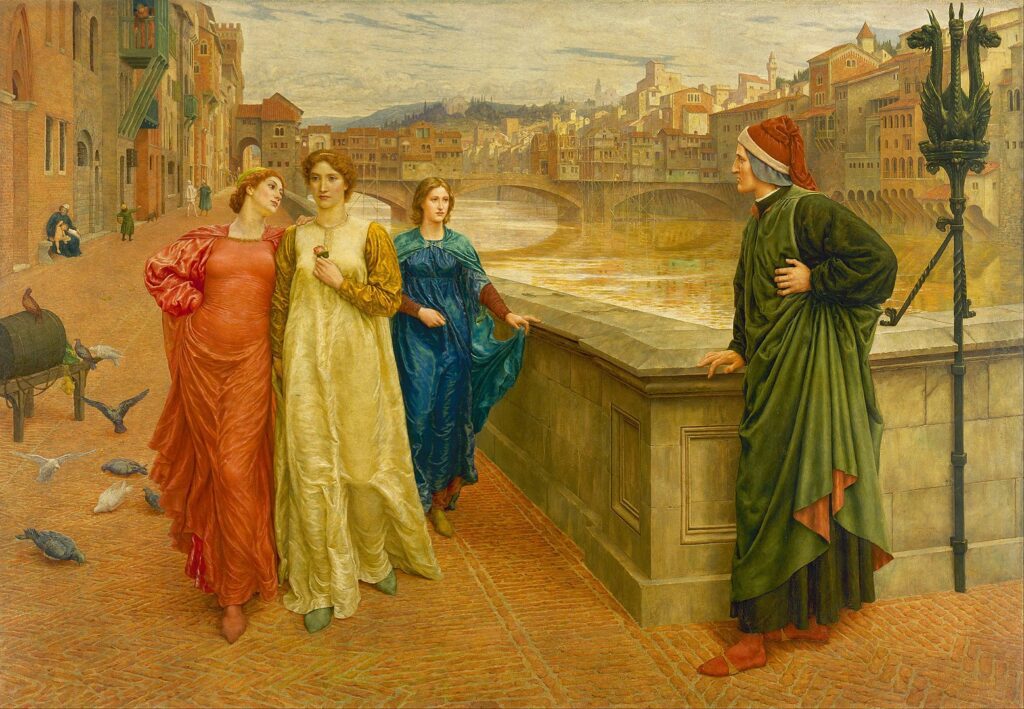
Dante’s La Vita Nuova is indisputably the work of a young man, a man whose passions (and poetic compositions) are still discovering the place they ought to have in the world. Thankfully, though, Dante’s ‘immature’ juvenilia is far greater and more penetrating a work than most poets can ever compose in the entire course of their lives.
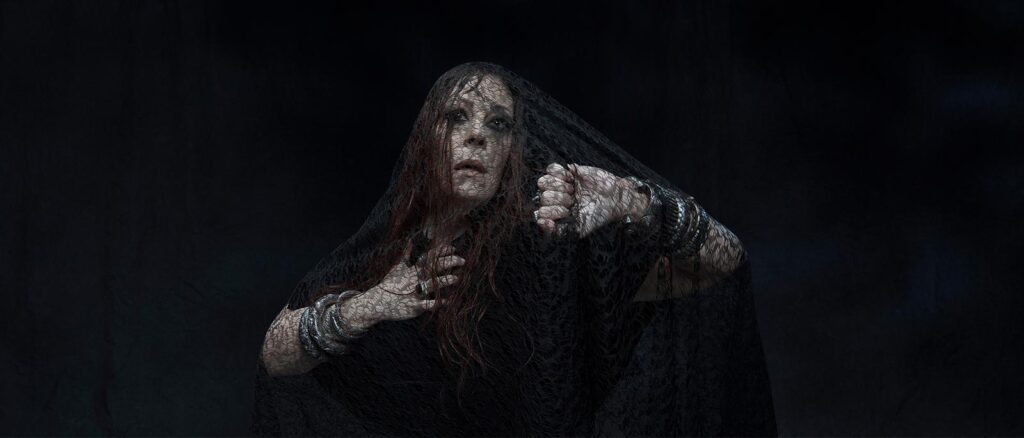
An apt but uncharitable description of Medea’s incongruities might paraphrase Woody Allen’s description of a monster as a being with the body of a crab and the head of a social worker to say that Cherubini’s work sounds like a Mozart opera with a Beethoven overture.
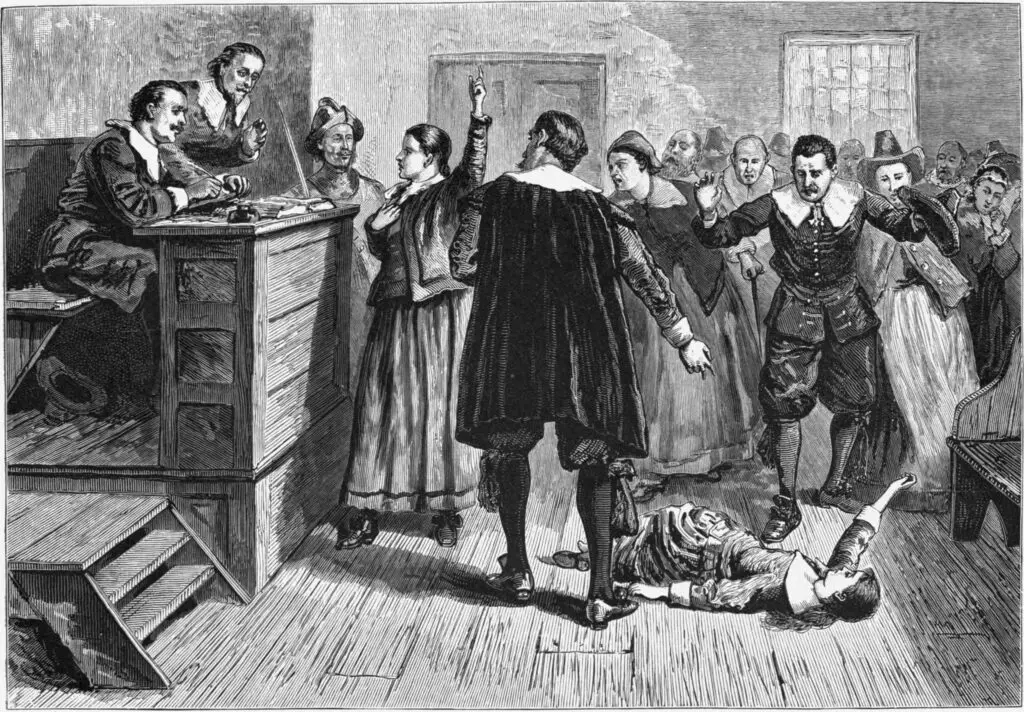
Social justice activism is a religion in that it provides a set of beliefs. These beliefs are to be accepted unquestioningly, and a common language develops between the people involved by which they may identify one another and interrogate and expel heretics.

Pell’s Prison Journal provides an inspiring example of how to endure attacks while loving our persecutors. Perhaps his serene approach can show our post-Christian civilization the beauty of Christian love and forgiveness.

Alain de Botton’s book tells us that we can and should regain hope about the future of our homes and cities. Architecture has been in a sad state in the West for many decades, but there are also glimmers of promise.