

Enkindling the Desire To Be European
A Europe without a common identity founded on Christian values is built on sand.

A Europe without a common identity founded on Christian values is built on sand.
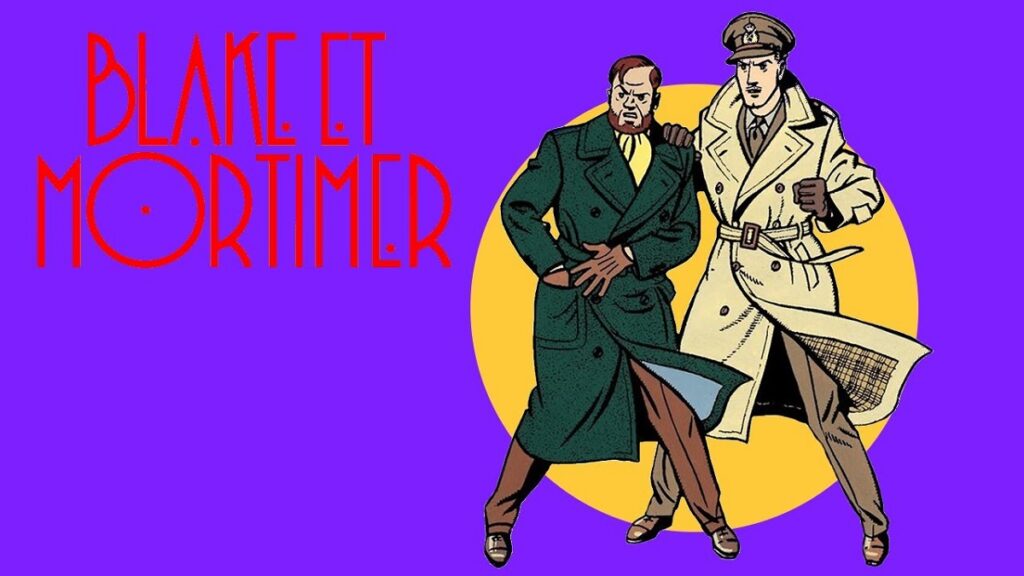
The series, which focuses on the adventures of the daring duo of Francis Blake and Phillip J. Mortimer, has a feeling, a style, all its own. Edgar P. Jacobs and his successors craft fully fleshed-out worlds that draw readers in, making us sad to leave at the end of each work.
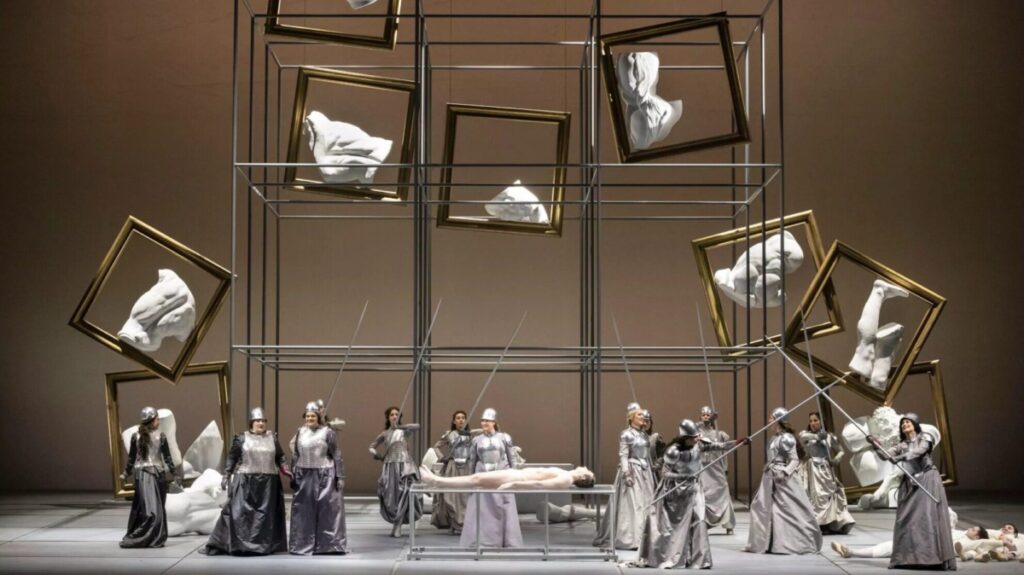
Tiezzi’s production eschews the interpretive fripperies and psychological baggage common in contemporary Wagner productions in favor of appealing abstractions.
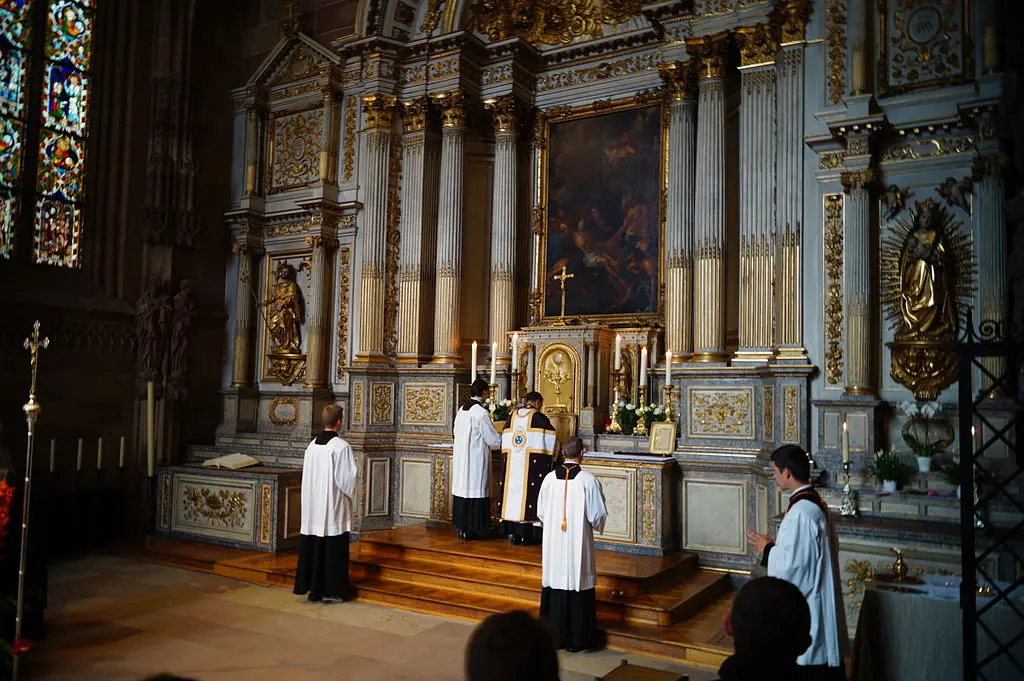
The Once and Future Roman Rite is an historical study and a call to action. The author writes that, “We are privileged to be living at a moment when it is possible for the laity and the lower clergy to be taking the steps needed to recover our glorious inheritance.”
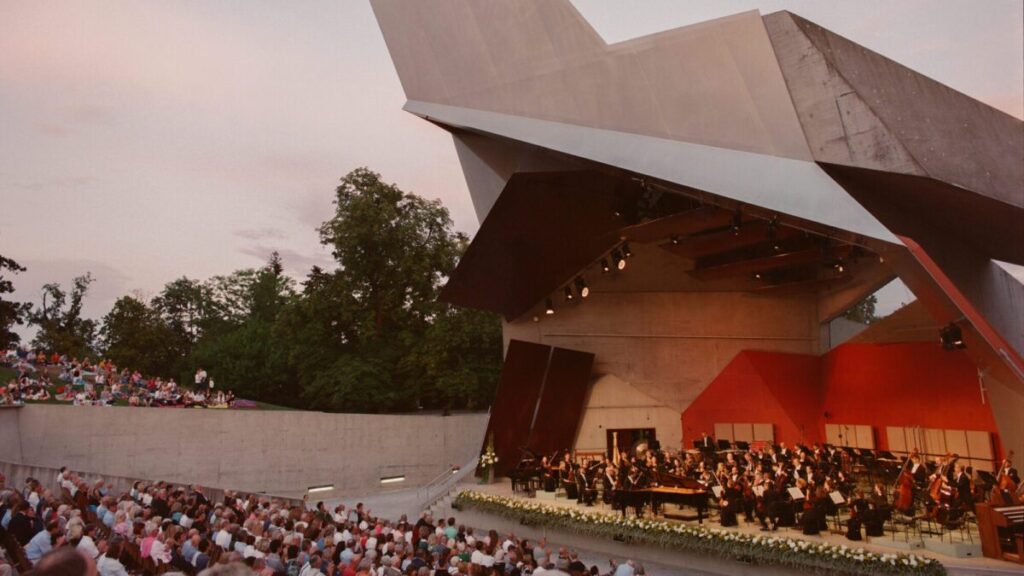
Grafenegg has risen to become one of the finest regional European music festivals. The unique blend of nature, architecture, and music makes one feel as though the great romantics are still at home here.
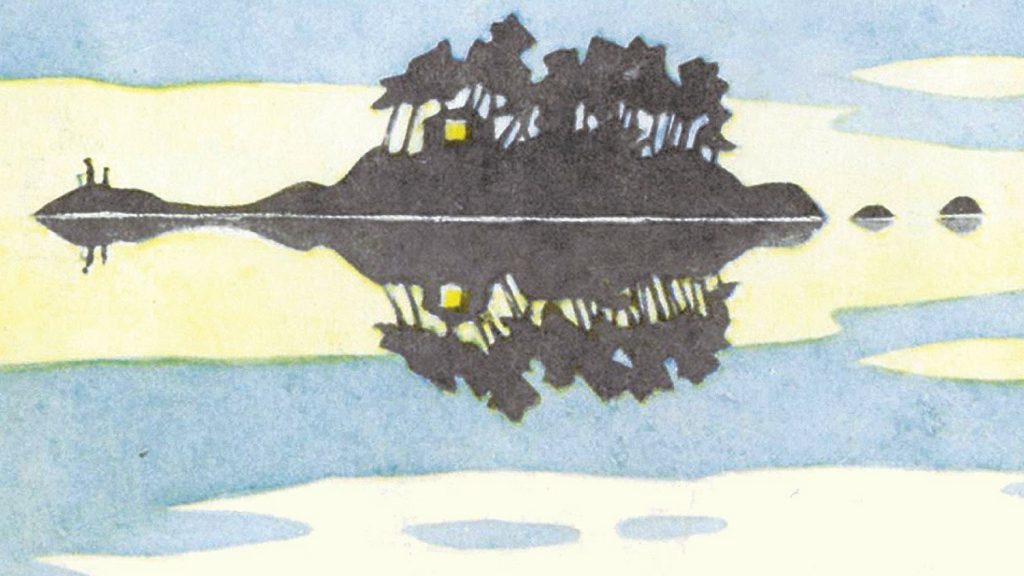
Despite her own failings, Sophia’s grandmother offers us a model of presence and love.
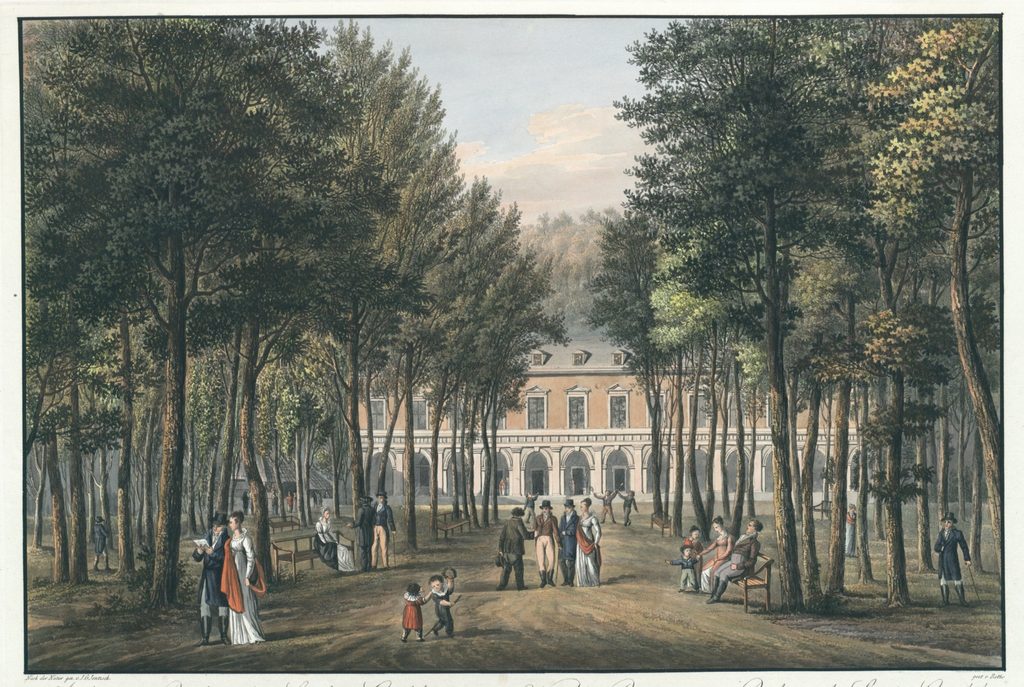
From Habsburg in Vienna to Jefferson at Monticello, this special exhibition focuses on the overriding power of the garden as a pendant in the life of civilized society.

Andrea Chénier‘s high melodrama and appealing theme of feminine self-sacrifice has proved more lasting and appealing than the true story it is based on—but this is how opera thrives.

History is a story that is at once true and false, a story in which truth sometimes requires us to record a falsehood, if only so we do not forget that a falsehood was once told.
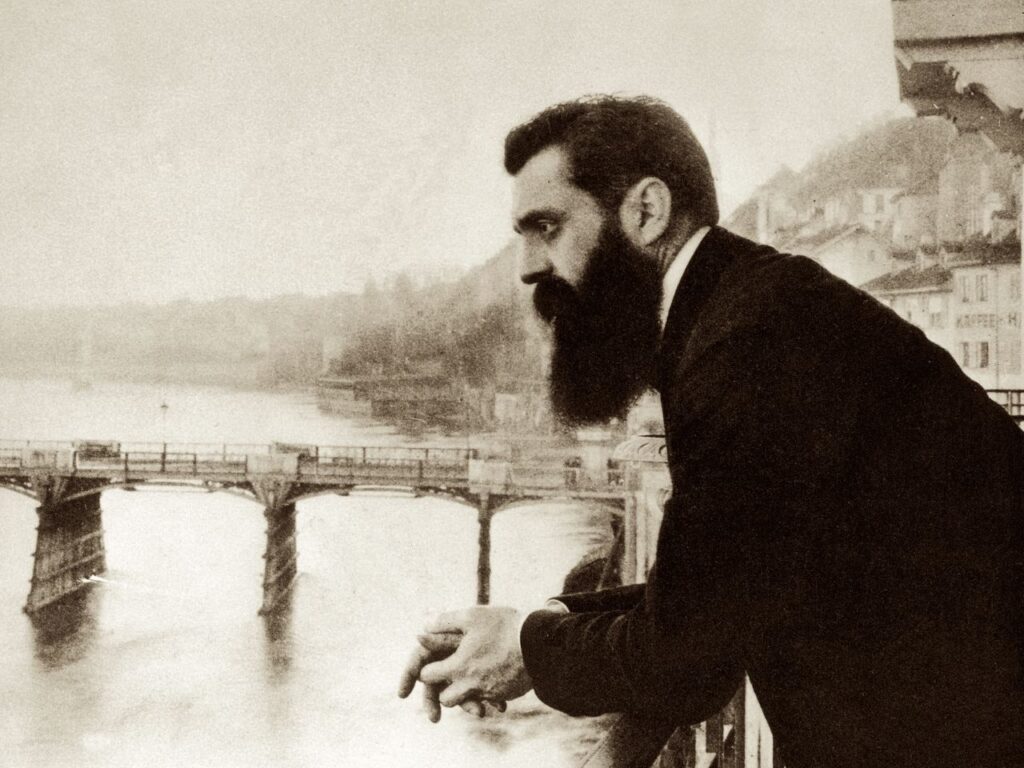
A new book traces the words and deeds of eight leaders who devoted their lives to their fellow Jews.

In his book The Disappearance of Rituals, Korean-German philosopher Byun-Chul Han presents a genealogy of the disappearance of rituals and its catastrophic effects on society.

For the Utopian, a unified and uniform mass of humanity is enabled by the “abolition of war,” which in turn can only be safeguarded by a “supranational agency, ultimately a world government.”
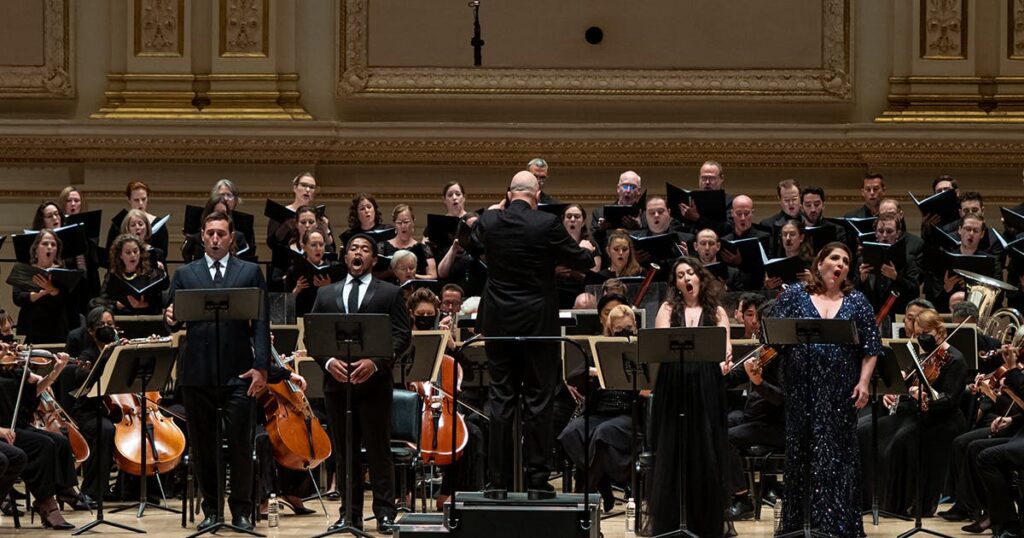
Strauss’s opera prizes innocence in a time of chaos, beauty over disorder, and the transcendence of suffering. Daphne is precisely the work that could lend itself to the revitalization of an opera company.
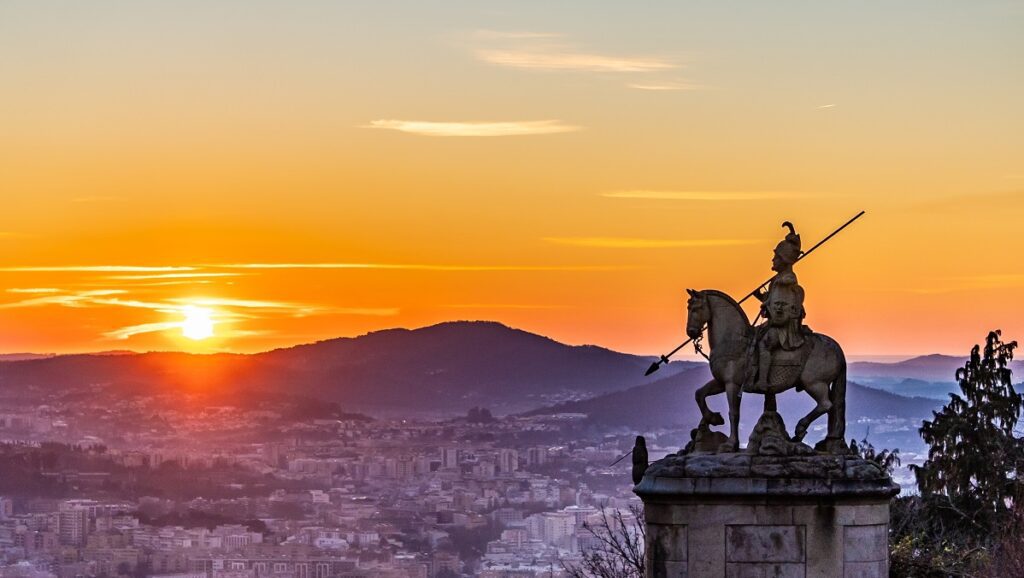
The Spear serves as a lectio divina of sorts, that is, as an opportunity to imagine oneself in the action of the Holy Scriptures.

Ultimately, the founding and the success of the State of Israel can only be described in religious terms: the flourishing existence of today’s Israel is a miracle.
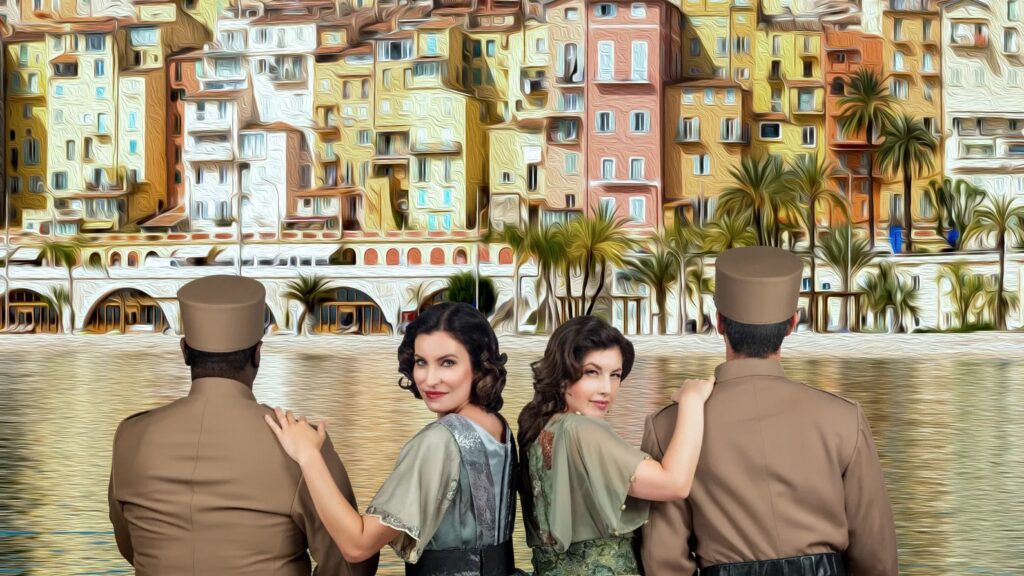
A step up from the very literal productions usually seen here, this co-production by Opéra de Monte-Carlo and San Francisco Opera removes the action from its usual eighteenth-century setting to the fateful year of 1914.
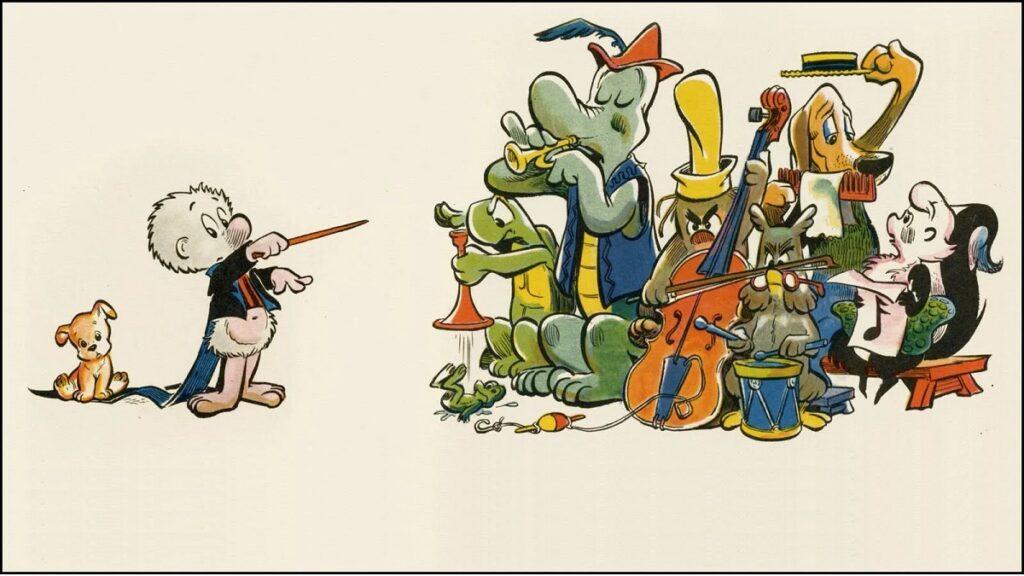
Pogo’s use of politics complements the other layers of art and satire perfectly. In a world where we are surrounded by bad art made for purely political purposes, Walt Kelly’s work is a breath of fresh air.

Bauerlein demonstrates in clear, elegant prose that a common frame of reference no longer exists, and the result for Millennials and Gen Z has been a disaster.

One only hopes that the current wave of political masochism in America will crest and that elites will understand that you cannot build a stable future by destroying the past or demonizing your heritage.
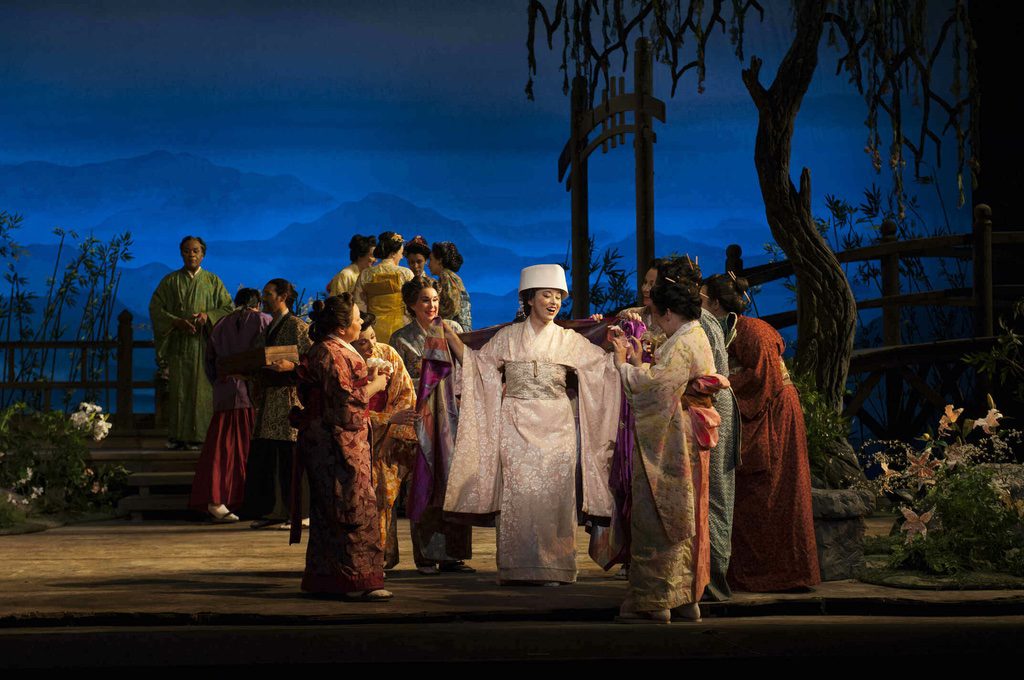
This is the Madama Butterfly we know and love—almost to the point of guilty pleasure.

“In the shadow of the eccentric, the charming, and the zany, terror lurks. Maybe that’s the background against which man’s wickedness is clearest.”—Lars von Trier

By asserting that the common good does exist and can be defined and applied, Vermeule contests the cultural Left and libertarian Right’s chimera of a values-neutral jurisprudence.