

200 Years of Glitz and Glamour:
J. & L. Lobmeyr Exhibition at the MAK in Vienna
Lobmeyr’s lighting creations can be found in some of the leading opera houses in the world.

Lobmeyr’s lighting creations can be found in some of the leading opera houses in the world.

The future need not be bleak, as Benson’s novel reminds us.
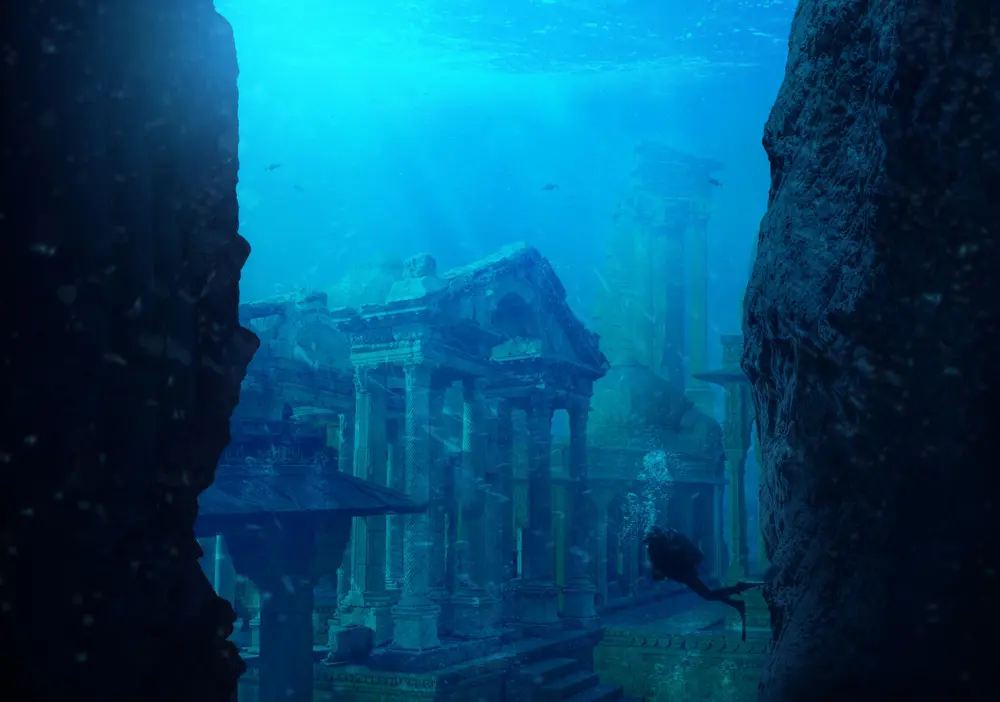
Although at first glance, The Island Without Seasons is merely an adventure story about a man trying to discover the lost city of Atlantis, it is ultimately about how the man’s search allows him to better understand himself and the world in which he lives.
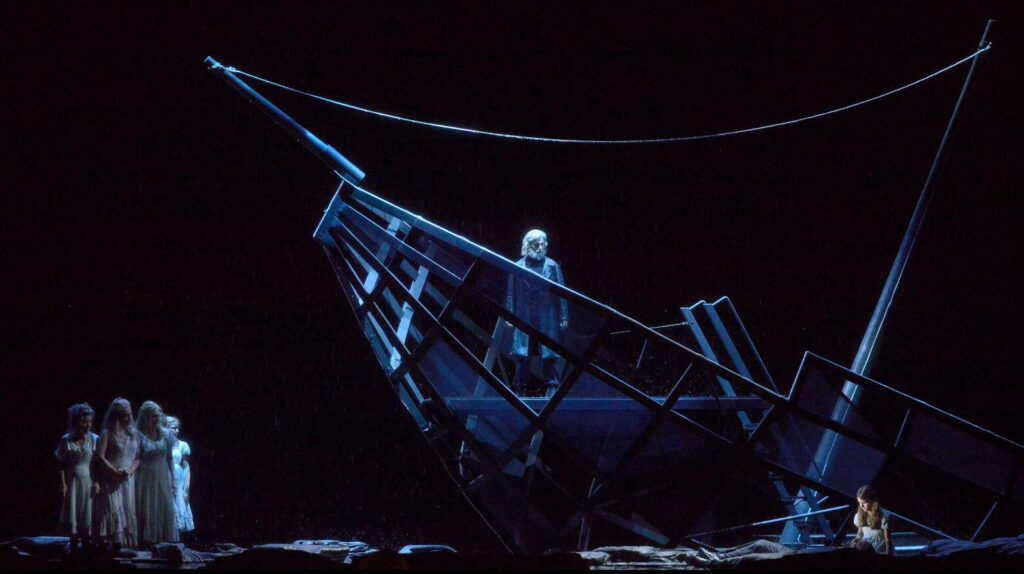
In program interviews, director Marcin Łakomicki and conductor Markus Stenz suggest that Holländer is really about sexism in modern society and a reinforcement of gender roles. A modern European man educated in what passes for the humanities today might think so. But the deeper contexts are ignored.

A seeming joke about two movies, Barbie and Oppenheimer, is actually pointing to a renewal of American cinema that may be on the horizon.

It must not be forgotten that these people are less concerned with producing energy in ways that will allow us to maintain our standards of living and make economic progress than with being ‘anti-capitalist.’

The problem for libertarians is not that their ideology cannot inspire policy reform. Their problem is their lack of courage.

Benedict Rogers drives home the point that, in addition to the economic, social, and geopolitical concerns about China, there are human beings who are suffering as a result of lukewarm activity or, worse, benign acquiescence.
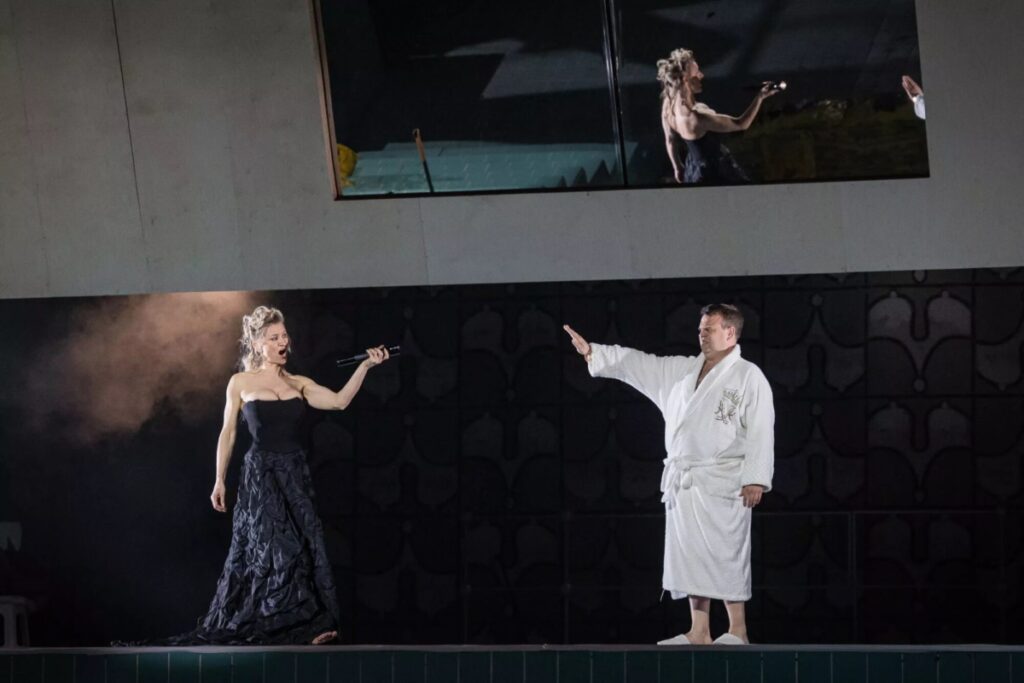
Hungary has produced singers who built international careers, and two of them were on hand to fill leading roles here.
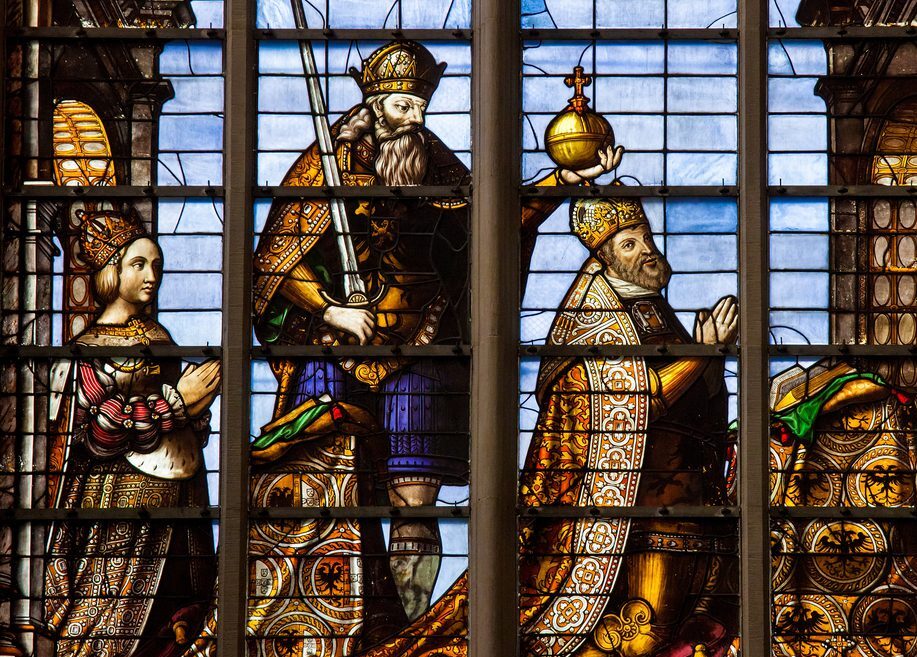
Savvy and erudite writer Eduard Habsburg-Lothringen presents some essential principles of his family that lead to a better life … not just for princes, but for everyone.
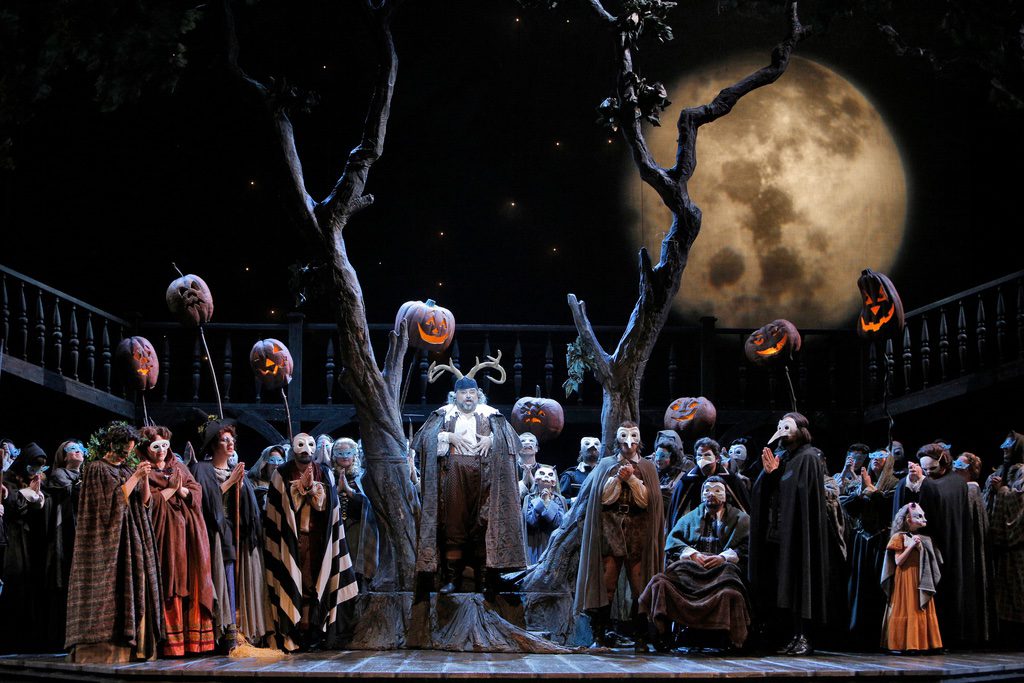
In addition to being Verdi’s last work, Falstaff has also been widely considered his least characteristic composition. Its memorable scenes and lively characters have allowed it to hold the stage ever since its 1893 premiere.
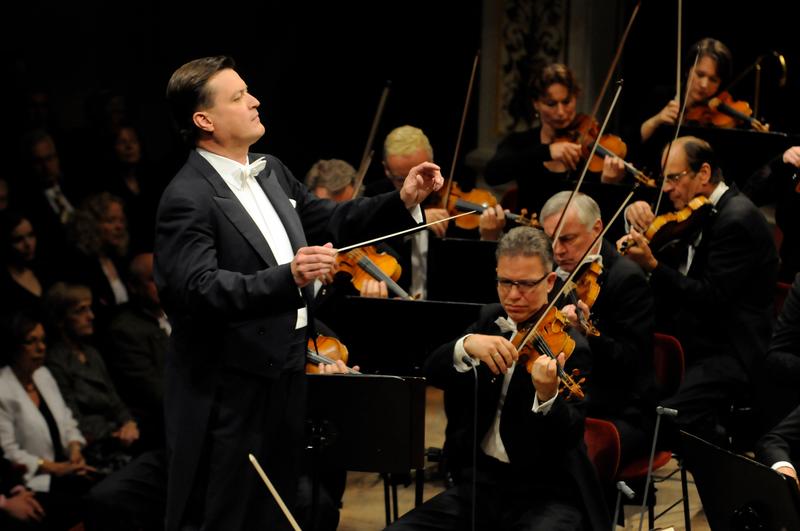
The Vienna Philharmonic’s visits to New York date back to 1956—a fine example of cultural diplomacy in the Cold War world and an enduring tradition.

Both the novel and the memoir touch on themes that are sadly out of fashion today: the brotherhood of arms crossing ethnic and cultural divides, individual bravery in battle, and the manly quest to build empires.
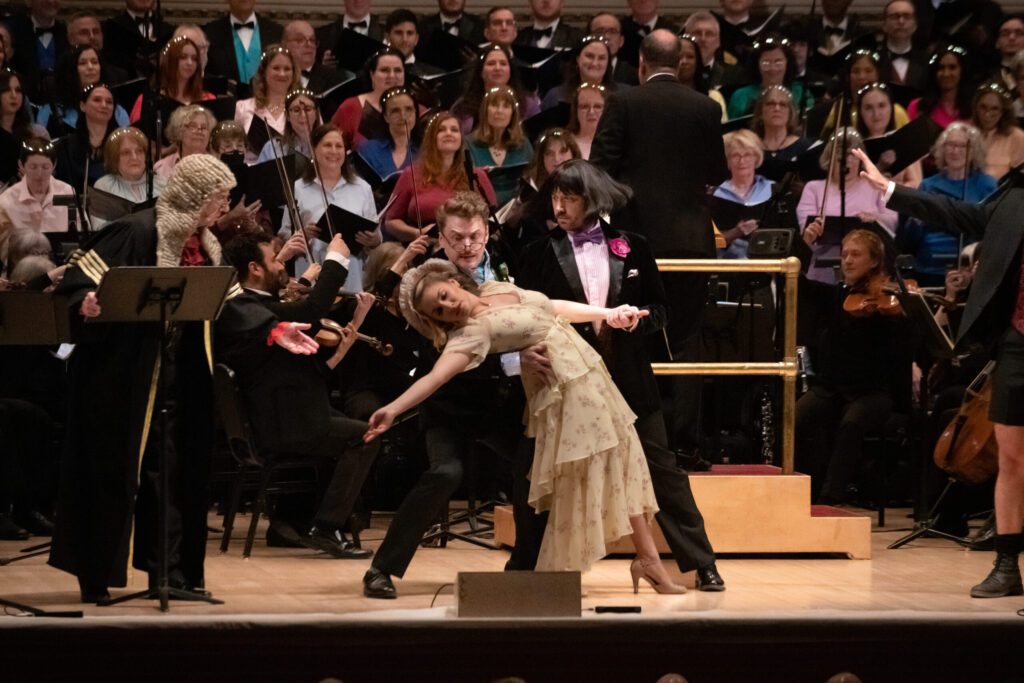
MasterVoices does not appear to be planning any Gilbert and Sullivan next season, but it should consider exploring that repertoire as it moves on. Events in Britain might just demand it.

A new book by ethicist Nigel Biggar argues that post-colonial guilt has been blown out of proportion.
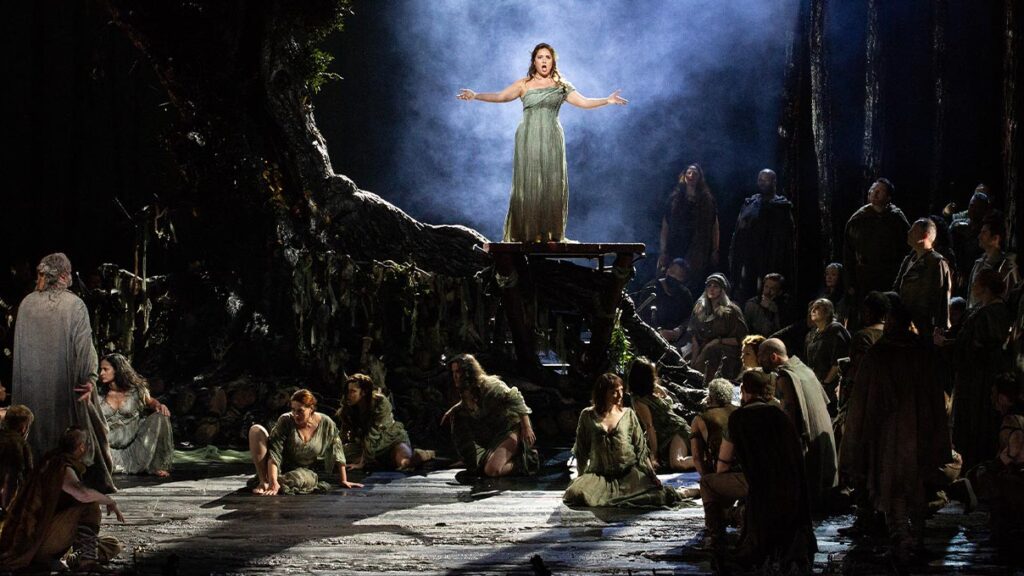
Sonya Yoncheva lacked that flame in crucial moments, though comparative listening across performances suggests that Maurizio Benini’s pedestrian conducting may well have been the culprit.

The old cowboy has had the great luck to be written and illustrated by people who love and believe in the original Luke, people who recognize that we still need joyful stories about heroes.

Defending tradition in an anti-traditional world such as ours requires both belief and boldness. Tim Stanley manifests both, combining wry humour and a sense of peace with the world unseen in many political polemics.
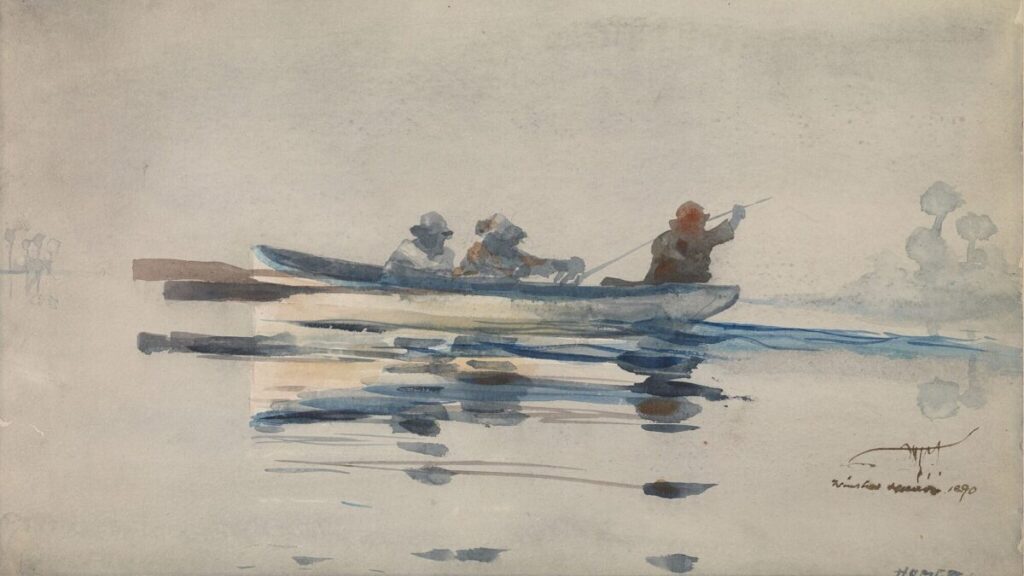
An honest sense of one’s own failings and shortcomings is part of what makes levity possible. One of the best books I know for inculcating humility through humor is Jerome K. Jerome’s novel, Three Men in a Boat (To Say Nothing of the Dog).
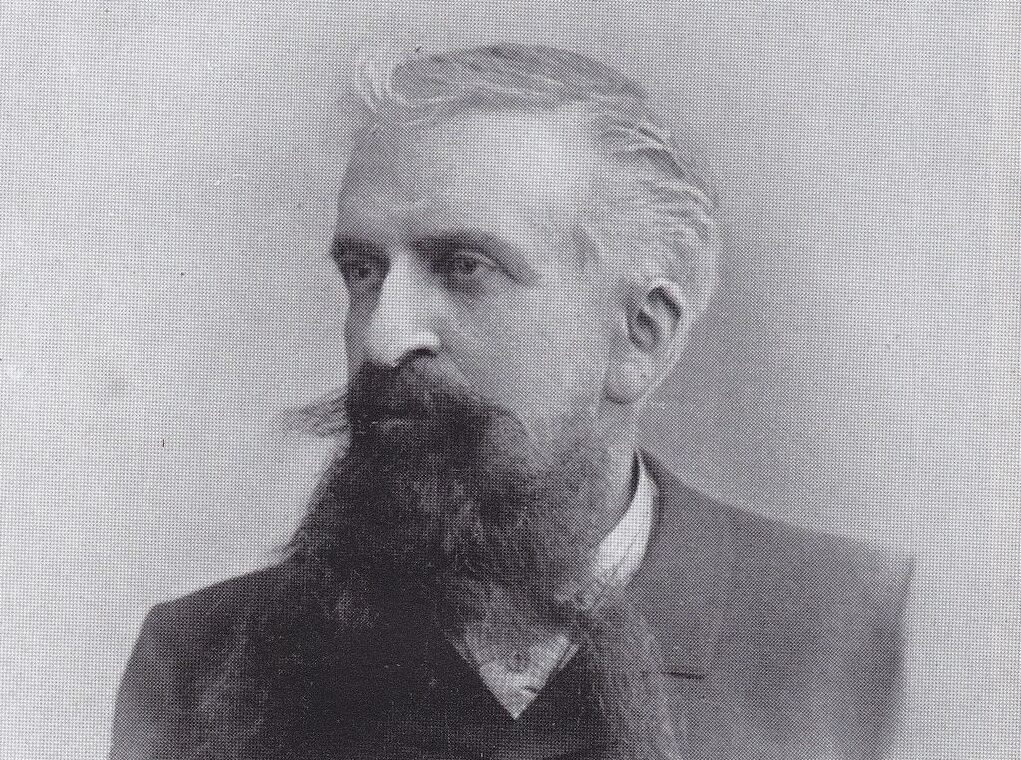
In The Crowd, Le Bon warns that when ideals are erased, cohesion is lost, individual characters weaken and develop excessive egoism, and, as their capacity for self-sufficiency diminishes, they become increasingly reliant on the government to direct them.

The program gave a splendid overview of ‘America’s Mezzo’ Susan Graham’s legendary career across the operatic firmament as well as in the jazzy tunes of the American Songbook. One only missed her triumphs in the operas of Richard Strauss.

Lohengrin, with its lush music and tragic exploration of trust, betrayal, and forbidden knowledge, has imaginative gifts to offer contemporary audiences. The music still soars, but only to the cave ceiling, not to the skies.