The Great Awakening vs the Great Reset
A great deal has been said recently about Alexander Dugin’s thought. Michael Millerman, the foremost English language interpreter of the “most dangerous philosopher in the world,” reviews his 2021 book.

A great deal has been said recently about Alexander Dugin’s thought. Michael Millerman, the foremost English language interpreter of the “most dangerous philosopher in the world,” reviews his 2021 book.

One of Hazony’s aims is to remind us that liberals and conservatives, while they teamed up against Communism to win the Cold War, do not share a political project. “Enlightenment liberalism,” Hazony argues, “is bereft of any interest in conserving anything. It is devoted entirely to freedom, and in particular to freedom from the past.”

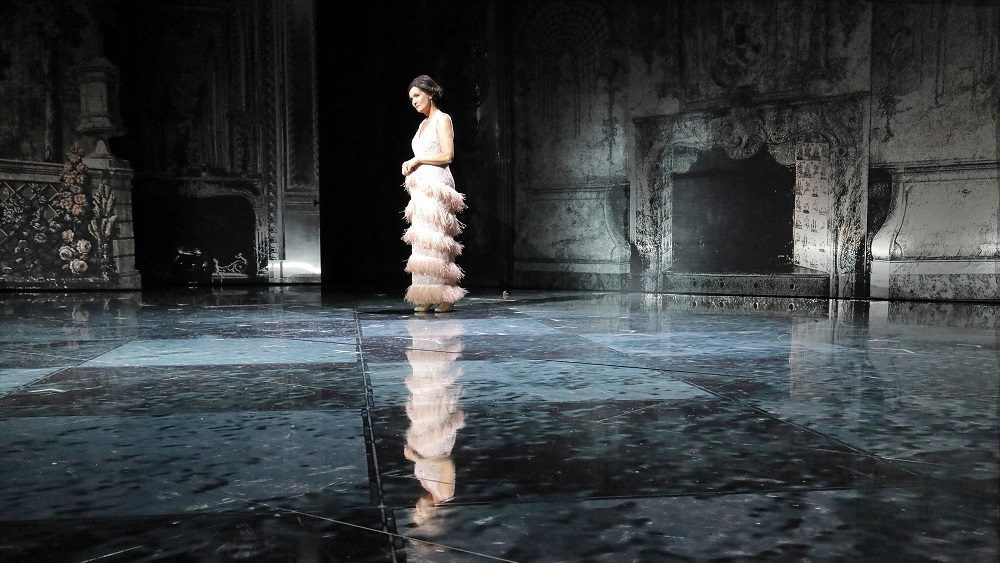
If the visuals left us baffled and disappointed, the musical performance reached toward the stars. The superb soprano Marlis Petersen delivered a sensitive, nuanced Marschallin that captured the character’s emotional dilemmas with a pathos unseen since Renée Fleming gave up the role five years ago.

Rarely, if ever, does Christopher Ricks raise a point without matching it with some apt snippet of verse. Or, rather, rarely does Ricks raise a point at all; instead he discovers, within the verses of poets, the point he himself would like to raise and consider, so that reading a Ricks essay can become a game of hide-and-seek as the critic dodges and peeks from between the curtains of carefully selected verse.

We witnessed a prolonged curtailment of freedom of movement, freedom of association, and freedom of speech. But Mark Woolhouse does not address this. In fact, while he clearly comes out as lockdown sceptical, it is not entirely clear why.

Louise Perry is both predicting and calling for a counter-revolution, likely led by the “Gen Z women who have experienced the worst of it.”

The novel treats Britain’s past with the utmost respect it deserves; the regency world is presented to the reader in all its glory. Susanna Clarke does not betray its spirit by infusing it with modern culture, unlike so many other representations of the period.

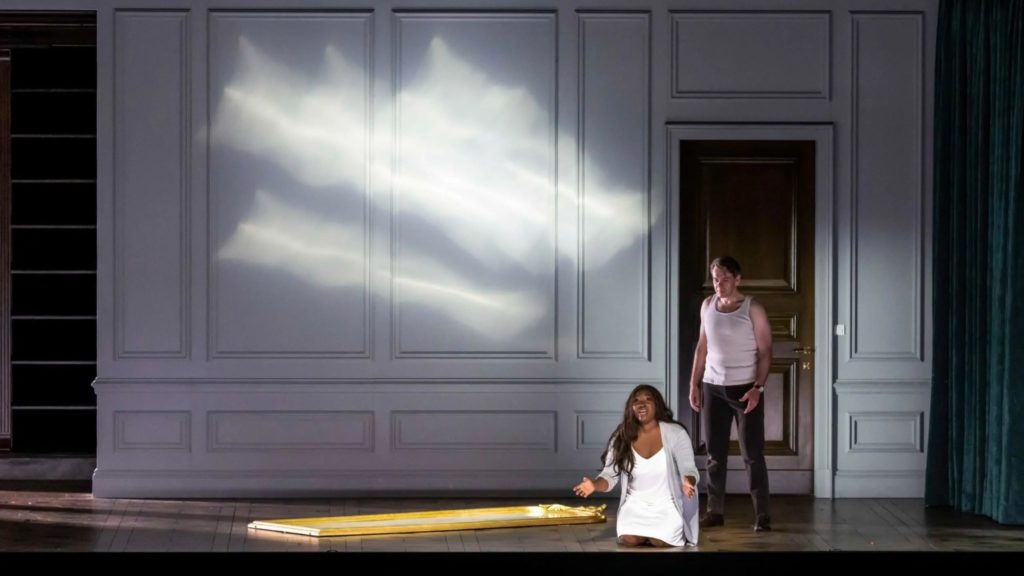
Tobias Kratzer successfully framed the tale’s tension between the temptation of lustful vice and the promise of salvation as a modern ‘crise de conscience.’

Reading Sigrid Undset’s trilogy challenges readers to confront their own moral vacillations and need for constancy.

Hypersensitivity forces beauty into a politically-correct straitjacket. It is hardly surprising that such straitjackets kill beauty, for what cannot breathe, cannot live.
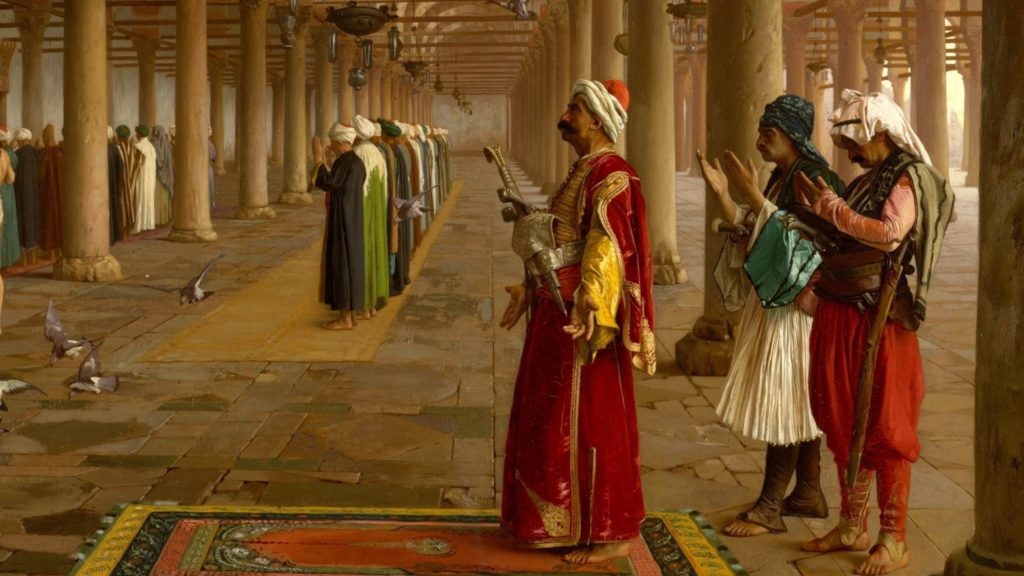
Islamic apologetics have, somewhat contradictorily, tended to ally themselves with a secular, Western academic drive to denigrate European culture and Christendom.
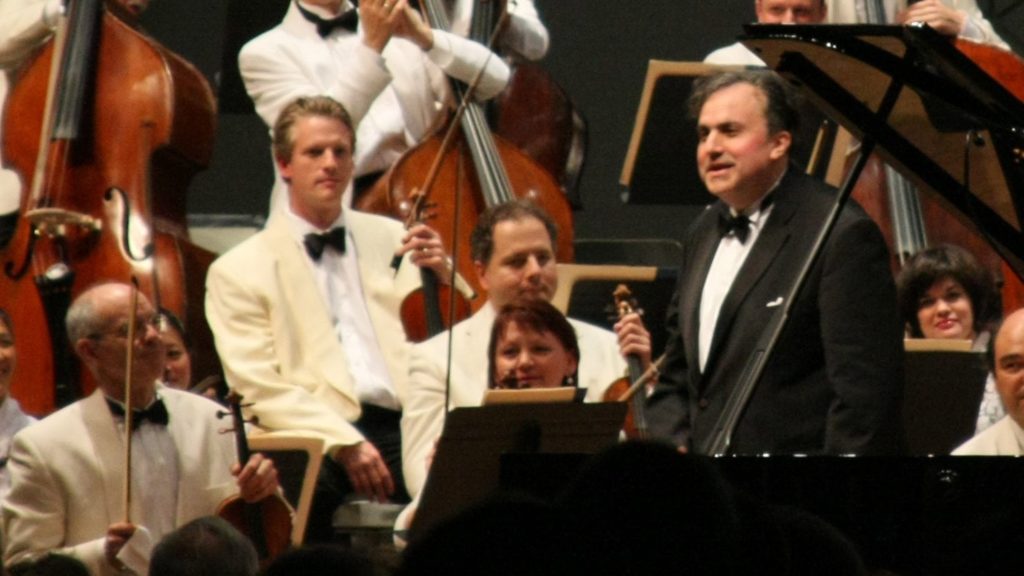
Interested readers should know that, in what is billed as “the return of one of the greatest pianists of our time” spanning from Beethoven’s “Appassionata” and Chopin’s “Third Sonata,” Yefim Bronfman will perform a piano recital at the Teatro Auditorium Manzoni in Bologna on February 28, 2022.
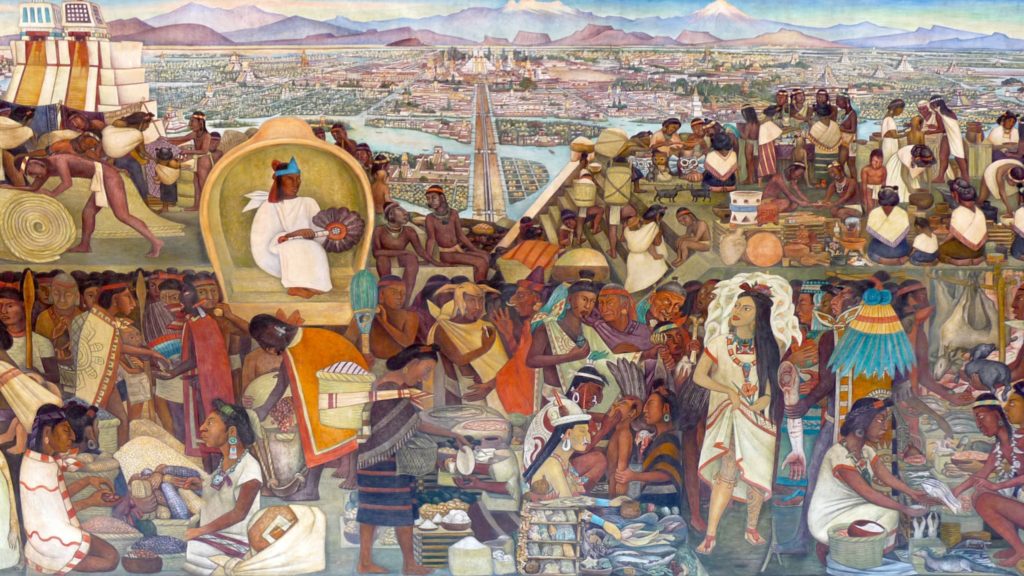
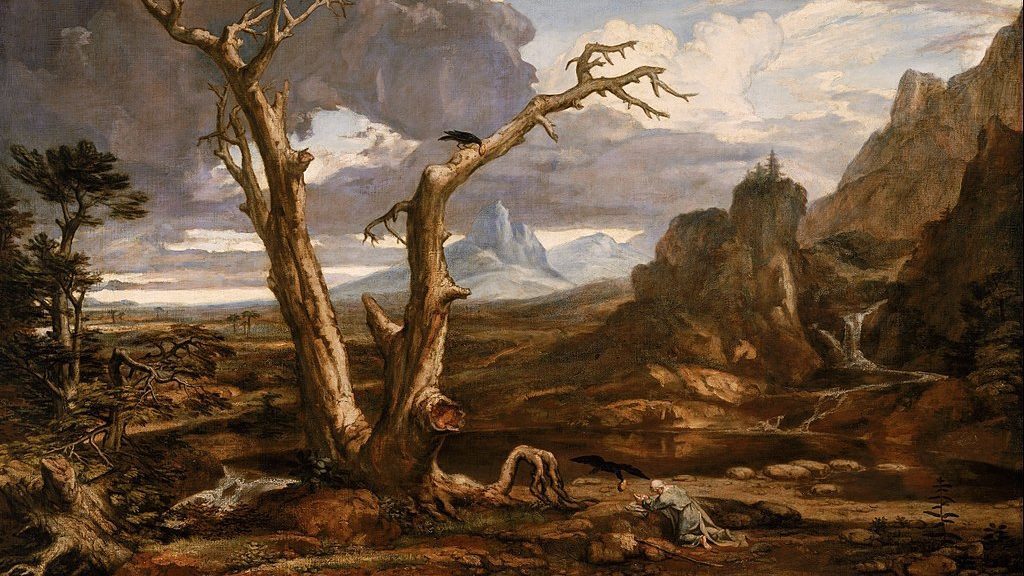
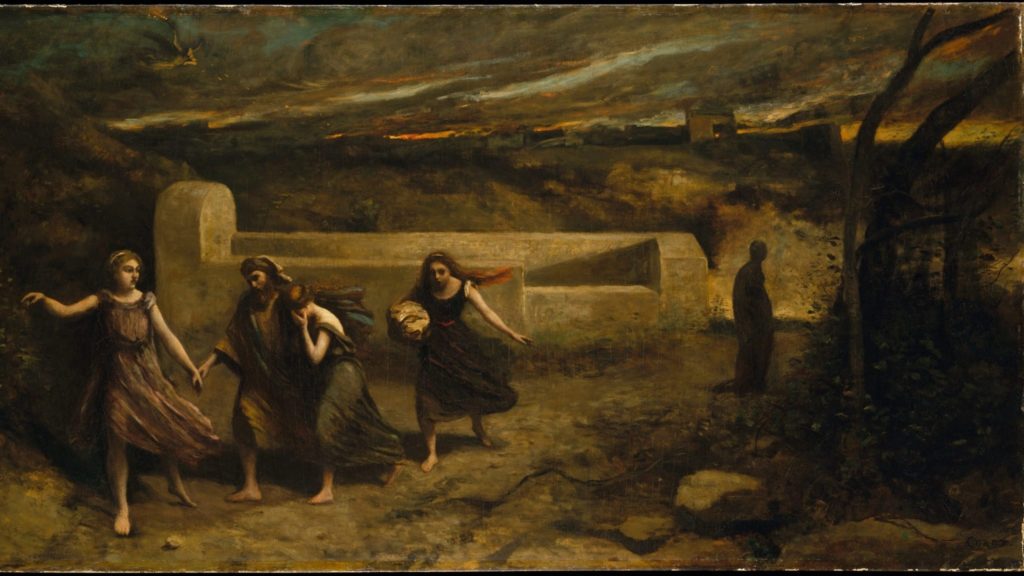
This new book by a senior lecturer at the University of St. Andrews is a bracing, short but expansive, study of poetic expressions of the fall of two fabled civilizations.
Political satire is at its best when it transcends the limitations of partisan thinking. “Don’t Look Up” fails to do this.
From the desert of modernity, there is a path, and that is the path of tradition and return—as in the soul’s return to God.
If de Beauvoir’s elders can be accused of mistaking repression for virtue, then she and her intellectual peers were blind to the fact that over-indulgence is not freedom, but, instead, ranks among the most irresponsible forms of neglect.
The phony ‘tolerance of relativism’ must inexorably and unavoidably translate in practice into what it really is: the most implacable, ferocious intolerance.
The novel is compelling (even spellbinding at times)—and if it is called antiquated, it is only because we have forgotten that the oldest human battle is the worthiest one: the battle to achieve and maintain virtue in a fallen world.
Roberts does not refrain from criticising George, both for his political missteps and for his tendency to be slow in acknowledging them. But overall, Roberts has painted a masterful portrait of a patriotic, diligent and cultivated monarch who was periodically struck down by mental illness, worst of all during the tragic last decade of his life.
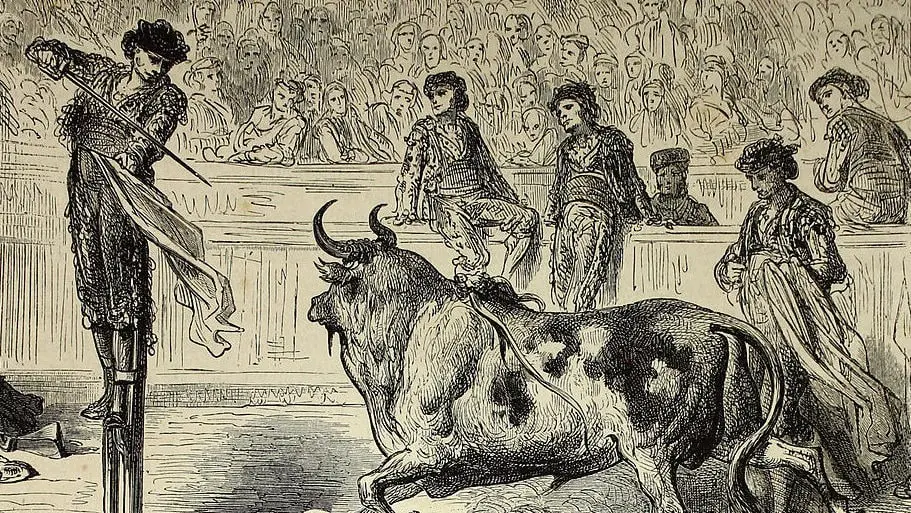
Ostensibly about bullfighting, it is actually the greatest book published by a foreigner about the city of Seville and one of the great books on Spain.
One might argue that conservatives and traditionalists have no choice but to use peaceful and legal means to advocate a return to traditional values, for the left is in a very totalitarian mood.
Without the Idea of the Good, Lloyd P. Gerson argues, a person cannot argue coherently against materialism, relativism, skepticism, mechanism, and nominalism.