

Is the Napkin Ring Right-Wing?
Richard de Sèze’s brilliant and light pen swirls around the impressions of everyday life to give us a delicious panorama of things that pass and things that do not.

Richard de Sèze’s brilliant and light pen swirls around the impressions of everyday life to give us a delicious panorama of things that pass and things that do not.
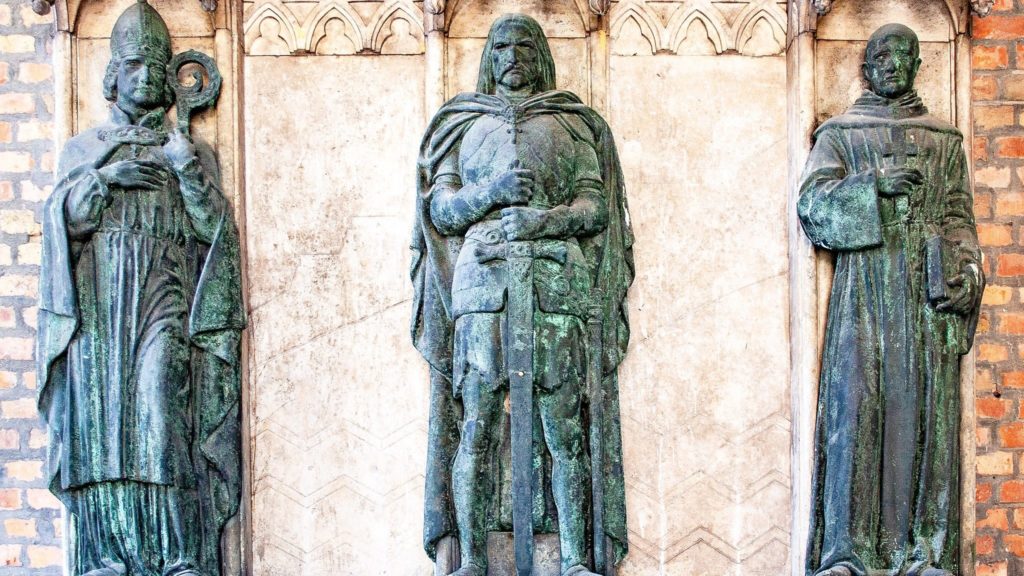
Although the book is properly a mosaic of voices— two personalities dominate, both on the battlefield and in the documentation. The first is the heroic Christian military commander Hunyadi. The second figure is far less remembered today, the Franciscan friar Saint John of Capistrano, sometimes called the Soldier Saint although the only “weapons” he carried were a crucifix and a banner.
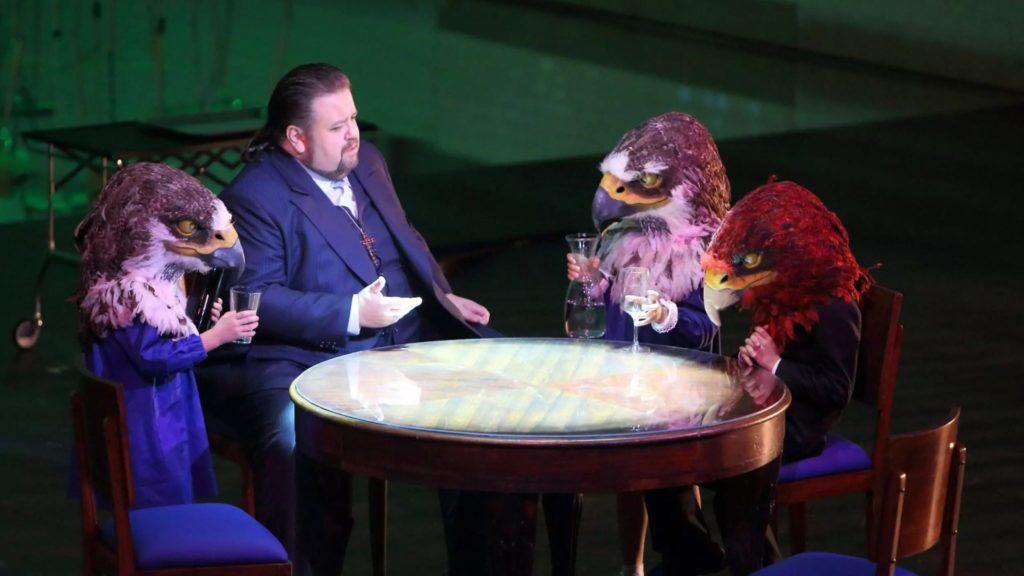
Warlikowski’s productions tend toward the visceral. His exploration of the opera’s mythological content led him to profound meditations on the fluidity of space and time, of the real and the unreal.

Waugh’s trilogy approaches war with a transcendent hope that is capable of withstanding the slings and arrows of modernity without losing itself.

A great deal has been said recently about Alexander Dugin’s thought. Michael Millerman, the foremost English language interpreter of the “most dangerous philosopher in the world,” reviews his 2021 book.

One of Hazony’s aims is to remind us that liberals and conservatives, while they teamed up against Communism to win the Cold War, do not share a political project. “Enlightenment liberalism,” Hazony argues, “is bereft of any interest in conserving anything. It is devoted entirely to freedom, and in particular to freedom from the past.”
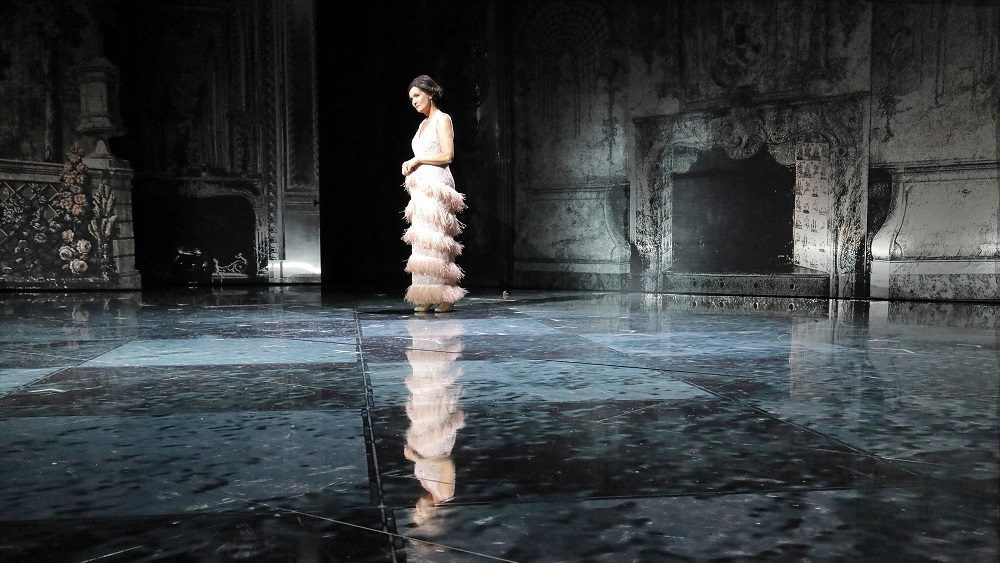
If the visuals left us baffled and disappointed, the musical performance reached toward the stars. The superb soprano Marlis Petersen delivered a sensitive, nuanced Marschallin that captured the character’s emotional dilemmas with a pathos unseen since Renée Fleming gave up the role five years ago.
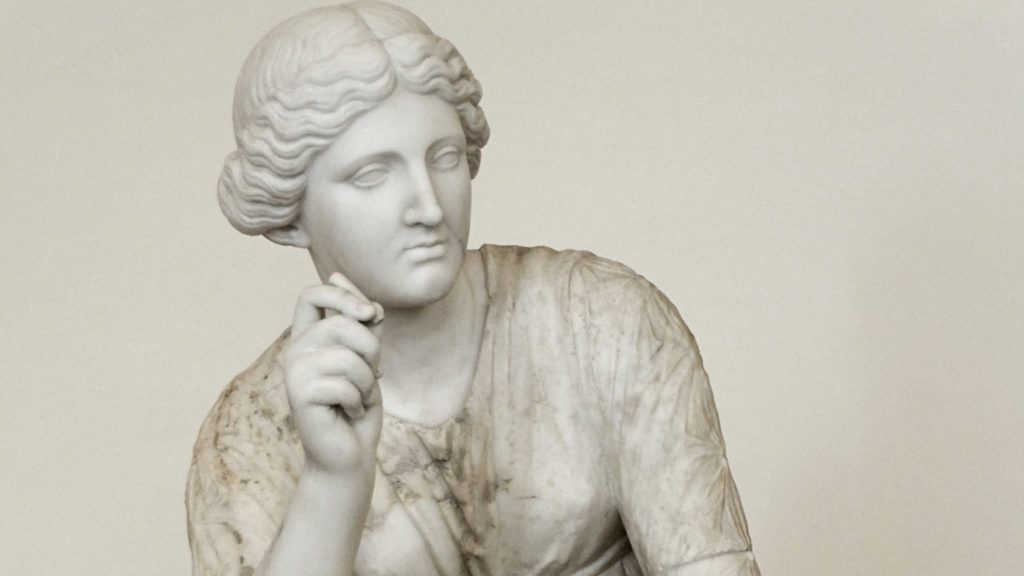
Rarely, if ever, does Christopher Ricks raise a point without matching it with some apt snippet of verse. Or, rather, rarely does Ricks raise a point at all; instead he discovers, within the verses of poets, the point he himself would like to raise and consider, so that reading a Ricks essay can become a game of hide-and-seek as the critic dodges and peeks from between the curtains of carefully selected verse.

We witnessed a prolonged curtailment of freedom of movement, freedom of association, and freedom of speech. But Mark Woolhouse does not address this. In fact, while he clearly comes out as lockdown sceptical, it is not entirely clear why.

Louise Perry is both predicting and calling for a counter-revolution, likely led by the “Gen Z women who have experienced the worst of it.”
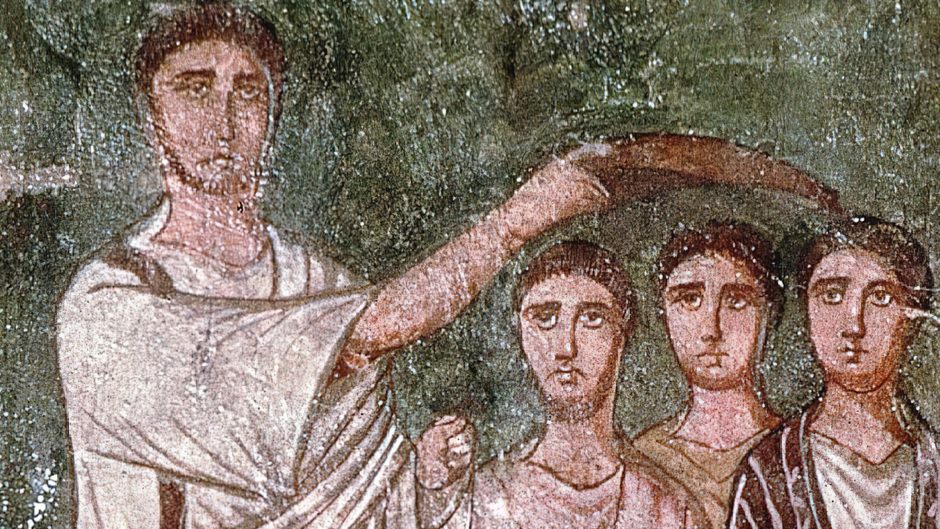
Having thrived for millennia amidst Arab societies despite their inferior status, Oriental Jews were swiftly uprooted in a matter of decades by the Arab-Israeli conflict. A once-in-a-lifetime exhibit at Paris’s Institute for the Arab World attempts to synthesize conflicting narratives of trauma and nostalgia.

The real problem is that something is wrong with the state of science itself. More accurately, something is wrong with the state of academia, in which the system of academic promotion is overly focused on the superficial outcomes of science rather than on the actual meaning and contribution of the findings.
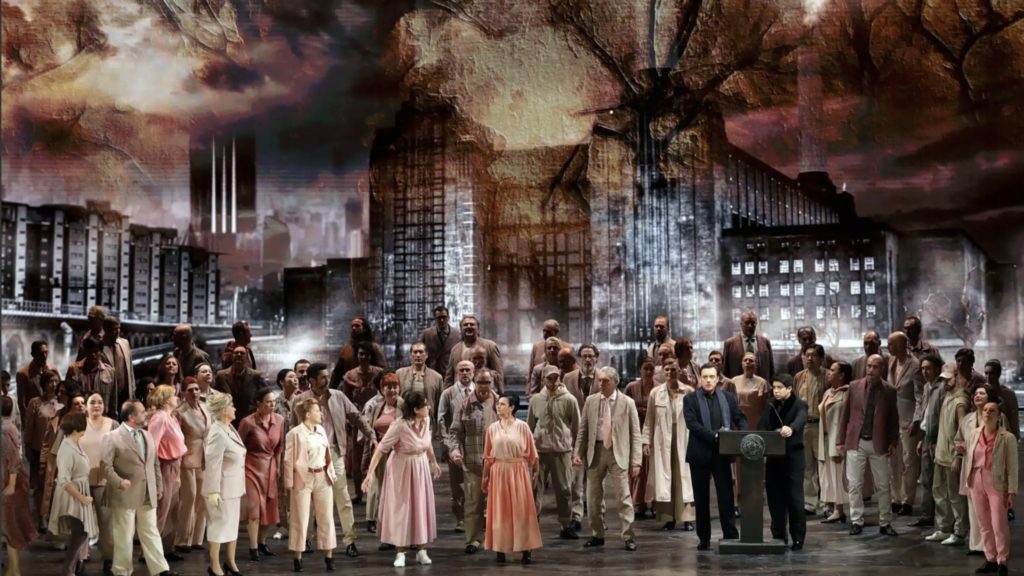
Sadly, Macbeth turned out to be more of a miss than a hit. Livermore replaced the original Scottish setting of Verdi’s opera and Shakespeare’s play with a modern urban gangster war. The idea is far from original. Theater directors have toyed with it for at least forty years, not only with Macbeth but with other operas featuring political power tainted by betrayal and a hint of sexuality.
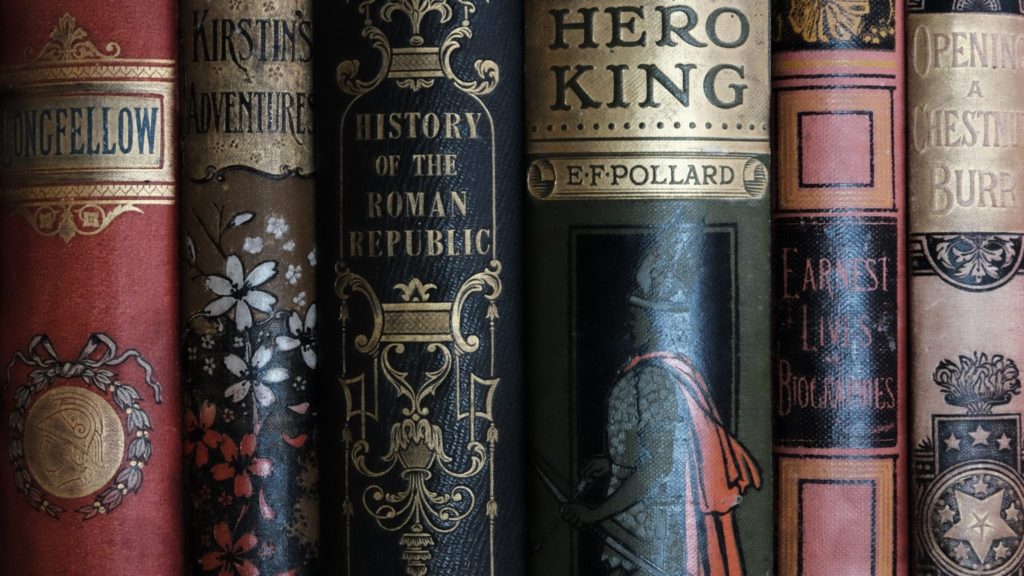
How do localism and nationalism fit together? How do each of these philosophical approaches to place use and abuse the innate noble feeling of patriotism? Over the course of Chesterton’s story, we are challenged to confront these questions and answer how we ought to live.
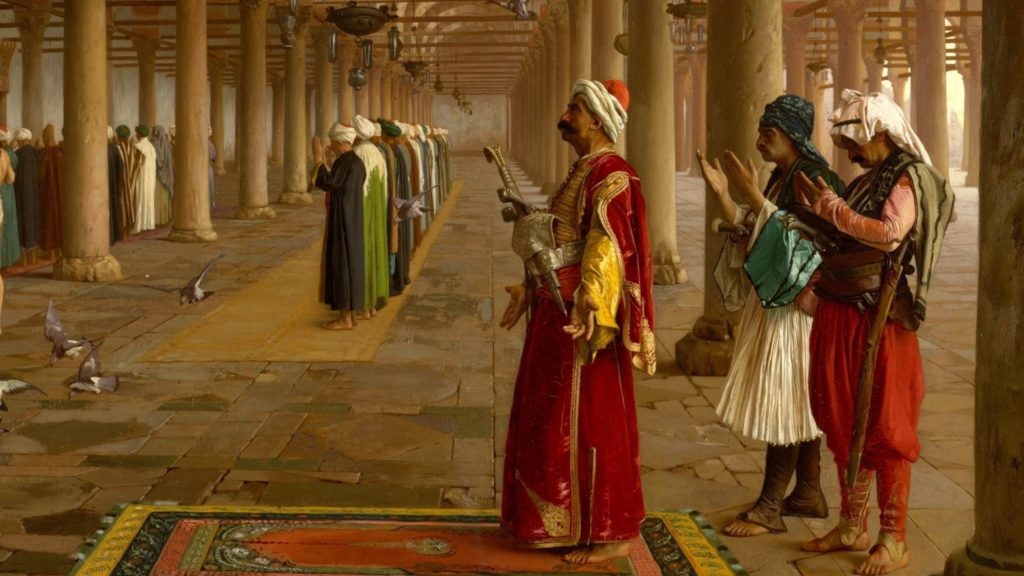
Islamic apologetics have, somewhat contradictorily, tended to ally themselves with a secular, Western academic drive to denigrate European culture and Christendom.
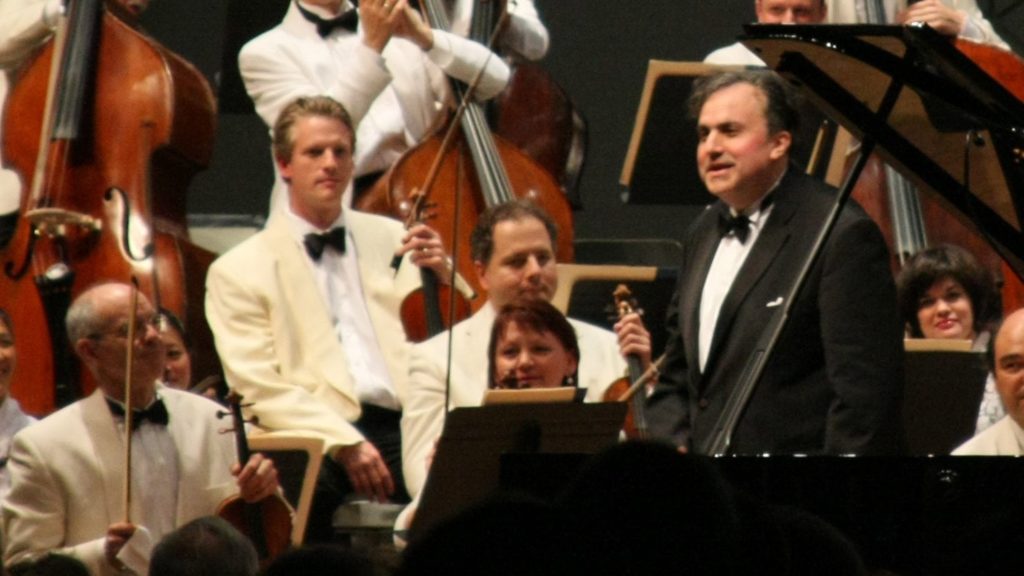
Interested readers should know that, in what is billed as “the return of one of the greatest pianists of our time” spanning from Beethoven’s “Appassionata” and Chopin’s “Third Sonata,” Yefim Bronfman will perform a piano recital at the Teatro Auditorium Manzoni in Bologna on February 28, 2022.
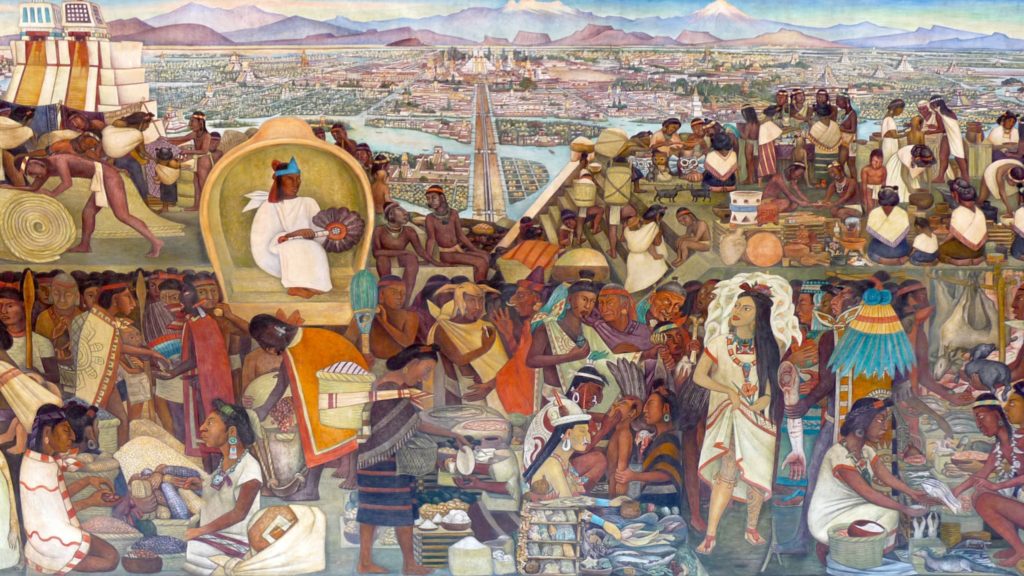
This new book by a senior lecturer at the University of St. Andrews is a bracing, short but expansive, study of poetic expressions of the fall of two fabled civilizations.

Political satire is at its best when it transcends the limitations of partisan thinking. “Don’t Look Up” fails to do this.
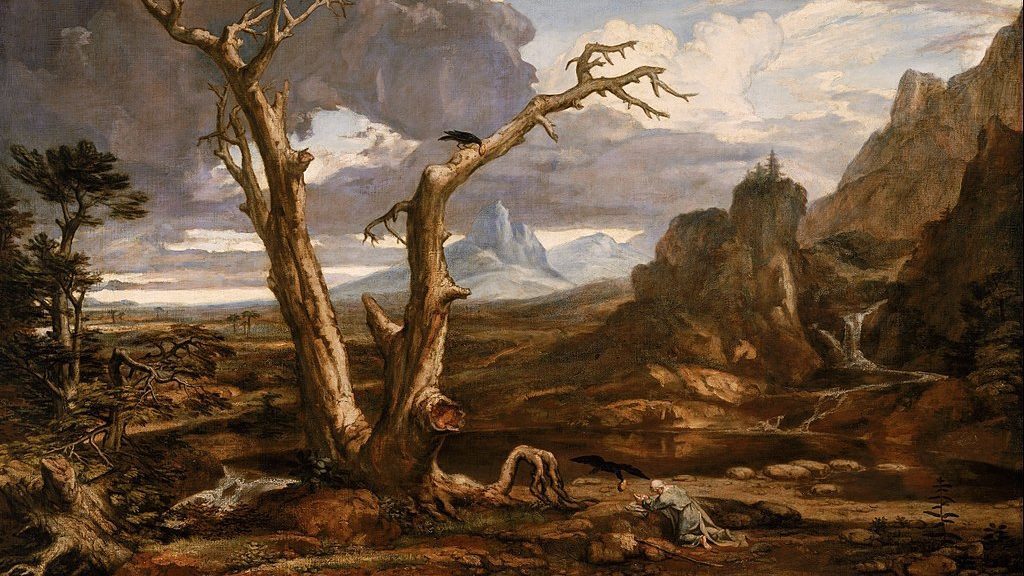
From the desert of modernity, there is a path, and that is the path of tradition and return—as in the soul’s return to God.

If de Beauvoir’s elders can be accused of mistaking repression for virtue, then she and her intellectual peers were blind to the fact that over-indulgence is not freedom, but, instead, ranks among the most irresponsible forms of neglect.
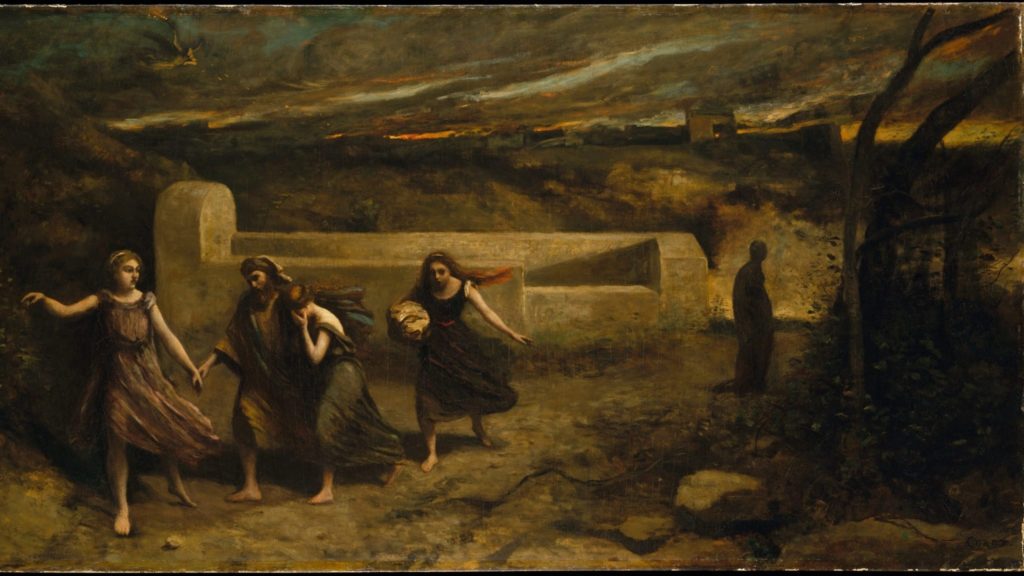
The phony ‘tolerance of relativism’ must inexorably and unavoidably translate in practice into what it really is: the most implacable, ferocious intolerance.
The novel is compelling (even spellbinding at times)—and if it is called antiquated, it is only because we have forgotten that the oldest human battle is the worthiest one: the battle to achieve and maintain virtue in a fallen world.