

The Scattershot Musings of Slavoj Žižek
Despite his colourful pessimism, Žižek still appears to indulge the fallacy that some combination of good will, rationality, and imagination is up to the task of saving our fallen world.

Despite his colourful pessimism, Žižek still appears to indulge the fallacy that some combination of good will, rationality, and imagination is up to the task of saving our fallen world.

Fr. Bryan Houghton has an enduring message, which remains relevant for the Church and for society in the West today: “tradition is not nostalgia for the past but precisely the transmission of one’s inheritance to the future.”
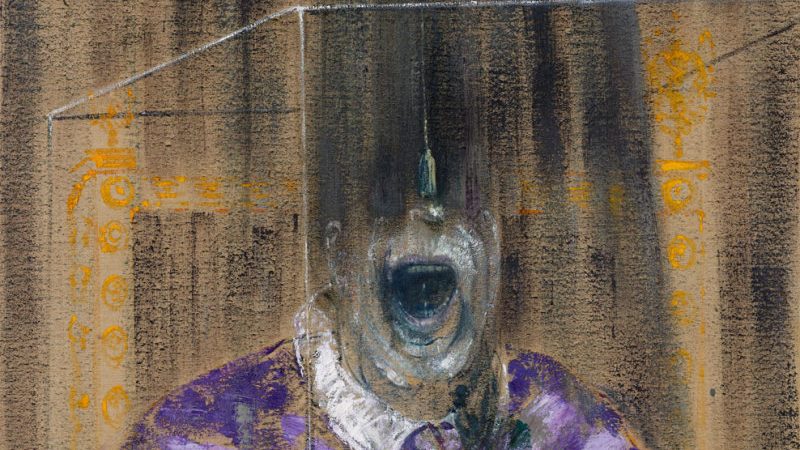
No beast is troubled by the fact of being a beast, still less moved to produce art expressing such anxiety. Even in our most savage conduct, human beings are nothing like wild animals. We are distinctly human, at times even fiendishly artistic, in our beastliness.

Thirteen years later, a Netflix series revisits the mysterious, gruesome murder case that kept Spain for years in a state of shocked, anxious outrage.

Listening to Renée Fleming in an intimate recital nearly five years after her semi-retirement, one has to wonder if she left too soon. She has upcoming April concerts in France, Germany, Lithuania, and the UK.

Norse mythology, unlike the Sacred Scriptures, does not present readers with loving and merciful divinities. The Norse gods are violent boozers, many of whom seem to spend most of their time playing practical jokes and fighting giants. And yet there is a great power to the tales.

If this book had been well-argued and informed by a serious engagement with Christian theology, it might have been a real contribution to contemporary debates about how Christians should engage with politics. Instead, the author relies on caricatures, oversimplification, and fearmongering.
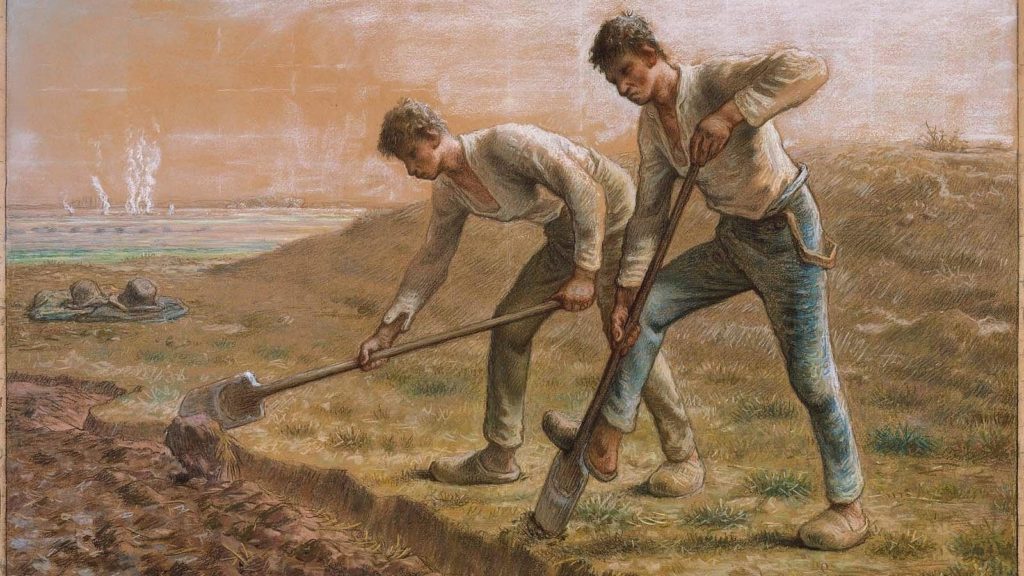
Since the dawn of mankind, men have provided the raw material for human civilization and have ordered an often hostile and fallen world for human habitation. When this impulse is suppressed, the consequences can be grave.

Byung-Chul Han draws attention to the value of things which have been the subject of neglect and indeed vilification for three hundred years in the West: inherited loyalties, roles, and customs.

Mystery frightens us. Big Data offers to explain it away, thereby giving us reliable tools with which to control our lives. It is no great discovery to point out that such tools sometimes fail. Christopher Beha has done something more significant: he has asked why we want them to succeed.