
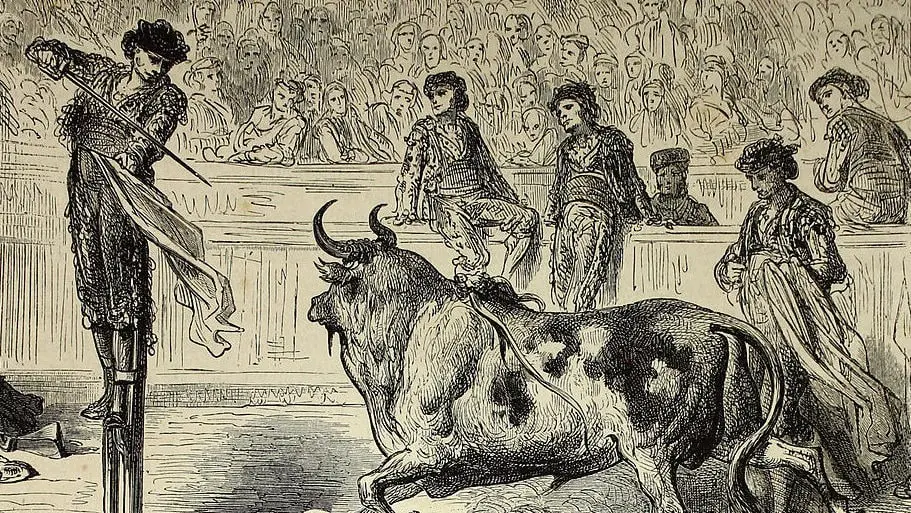
A Frenchman’s Passion for Seville
Ostensibly about bullfighting, it is actually the greatest book published by a foreigner about the city of Seville and one of the great books on Spain.

Ostensibly about bullfighting, it is actually the greatest book published by a foreigner about the city of Seville and one of the great books on Spain.
One might argue that conservatives and traditionalists have no choice but to use peaceful and legal means to advocate a return to traditional values, for the left is in a very totalitarian mood.
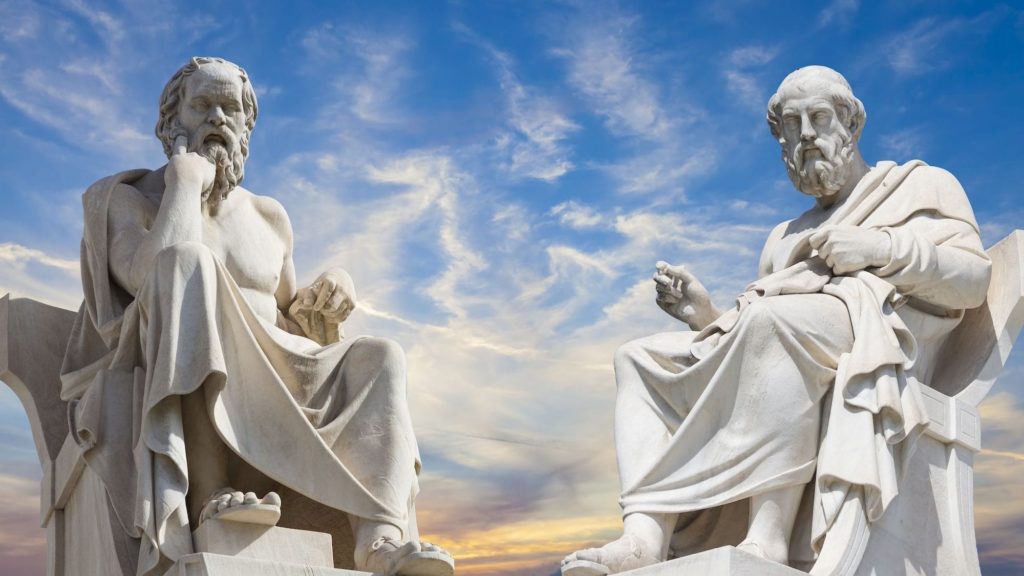
Without the Idea of the Good, Lloyd P. Gerson argues, a person cannot argue coherently against materialism, relativism, skepticism, mechanism, and nominalism.

As one of the first arts companies to return to live performance as the pandemic subsided, the Palm Beach Symphony has rocketed to national importance and richly deserves international notice.
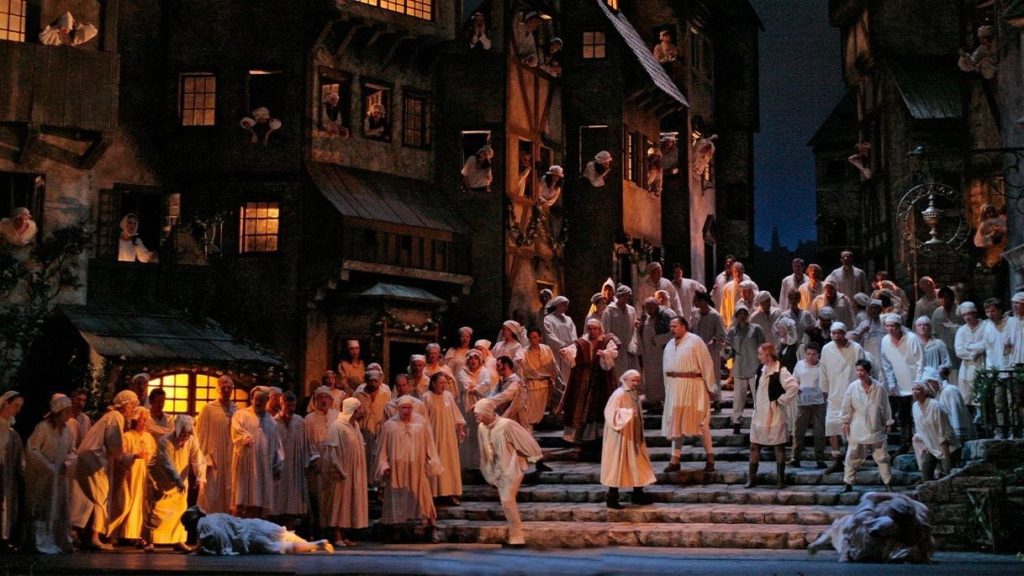
The production has aged well. Its vibrant return after a seven-year absence should have been a landmark revival and one of the highlights of the Met’s new season. Musically, it met the mark. The energy on stage was palpable. The only disappointment was to be found in the audience. The revival’s first performance reportedly filled just 57% of the seats.

Kinneging’s book is fundamentally meant to get the reader to read good books again, especially Plato, Aristotle, Augustine, and Aquinas.

In her brilliant essay, Anne-Sophie Chazaud, a French journalist and columnist, dismantles the systemic character of the censures we are subjected to today.
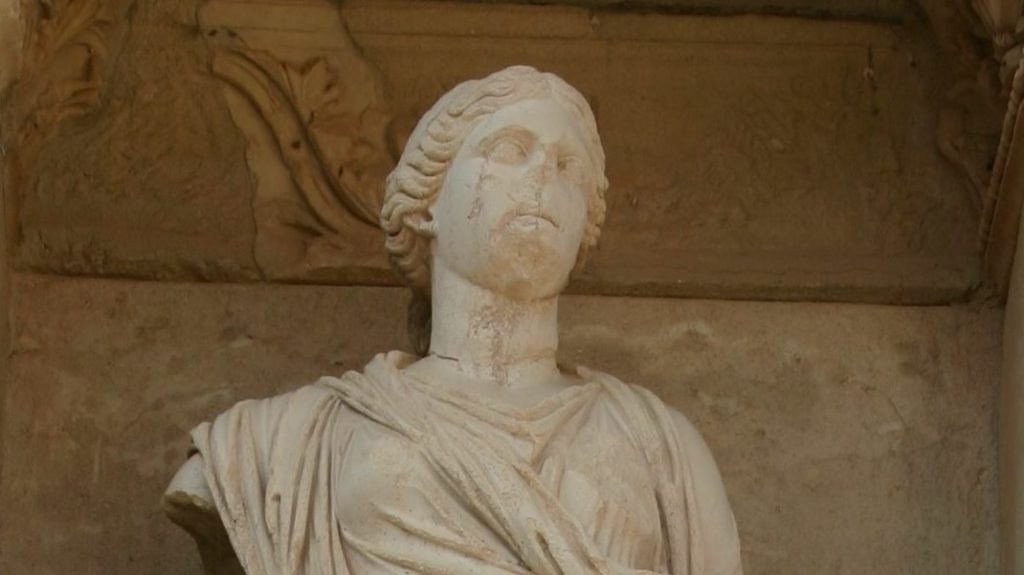
It is no wonder that an un-Sophianic culture would promote enmity between men and woman, viewing history as a protracted conflict of the genders and marriage as a procrustean bed, with procreation contradictorily thought of both as unnecessary burden and selfish environmentally-harmful indulgence.

Even if many of the accusations against Nero could be described as ‘fake news,’ enough of them eventually piled up to undermine his reign. Last year’s exhibit at the British Museum explored the life and rule of this legendary emperor.
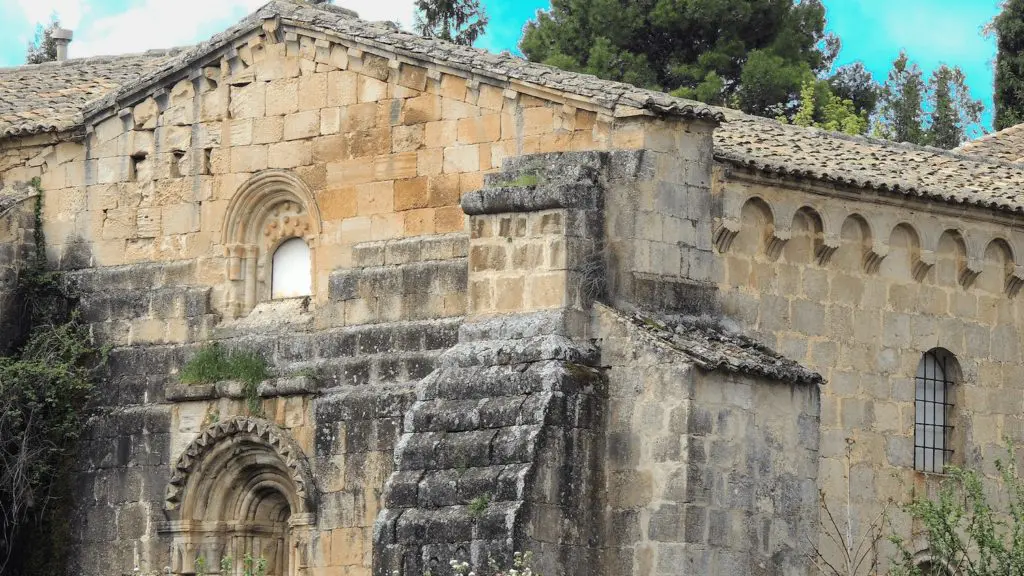
It is a mistake to assume that concrete rural scenes like those in the small Romanesque parishes Mr. Mora rightly celebrates, lead to appreciating life whereas, contrastingly, Gothic abstraction leads to a sort of world-weary sickness. This judgement assumes only two realities, body and mind, and pits these against each other.