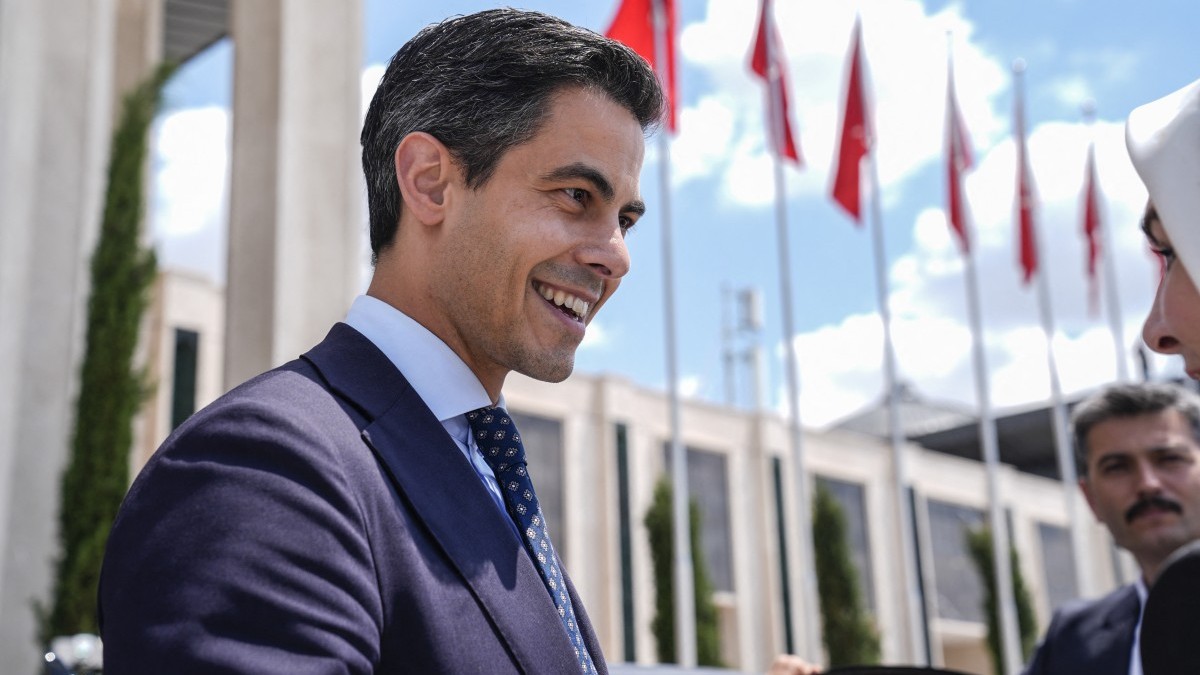
Dutch Prime Minister Rob Jetten
OSMANCAN GURDOĞAN / POOL / AFP
The Dutch prime minister has sparked intense political debate in the Netherlands following his refusal to explicitly name Islam as a primary source of the country’s surging anti-LGBT sentiment.
During a recent parliamentary debate addressing the perceived rising tide of public harassment and violence directed at sexual minorities, critics pressed Rob Jetten to confront the cultural and religious factors driving the hostility within specific communities.
Conservative figures and commentators have fiercely condemned progressive figurehead Jetten’s stance, arguing that political correctness is preventing Dutch leadership from confronting hard truths about integration and ideological extremism. Opponents contend that by evading the core issue, mainstream politicians are failing to protect vulnerable minority groups and ignoring well-documented social tensions tied to conservative religious doctrines imported from abroad.
At the heart of the discussion is the fundamental hostility to homosexuality found in Islam. This was likely the driver of the recent lethal assault on Berlin’s Christopher Street Day event and, in the Netherlands, Muslim calls for Amsterdam alderman Esmah Lahlah to ‘burn in hell’ after she participated in her local canal Pride parade. Progressives turn a blind eye to the ideological incompatibility between different ‘communities,’ most suicidally through ‘queers for Palestine’ campaigning.
Some defenders of Jetten’s position advocate for a broader, systemic approach to tackling discrimination across all segments of society, but the controversy has reignited a fierce national dialogue. The debate underscores deep ideological divisions in the Netherlands over how to address intolerance without compromising free expression—or exacerbating cultural polarization.