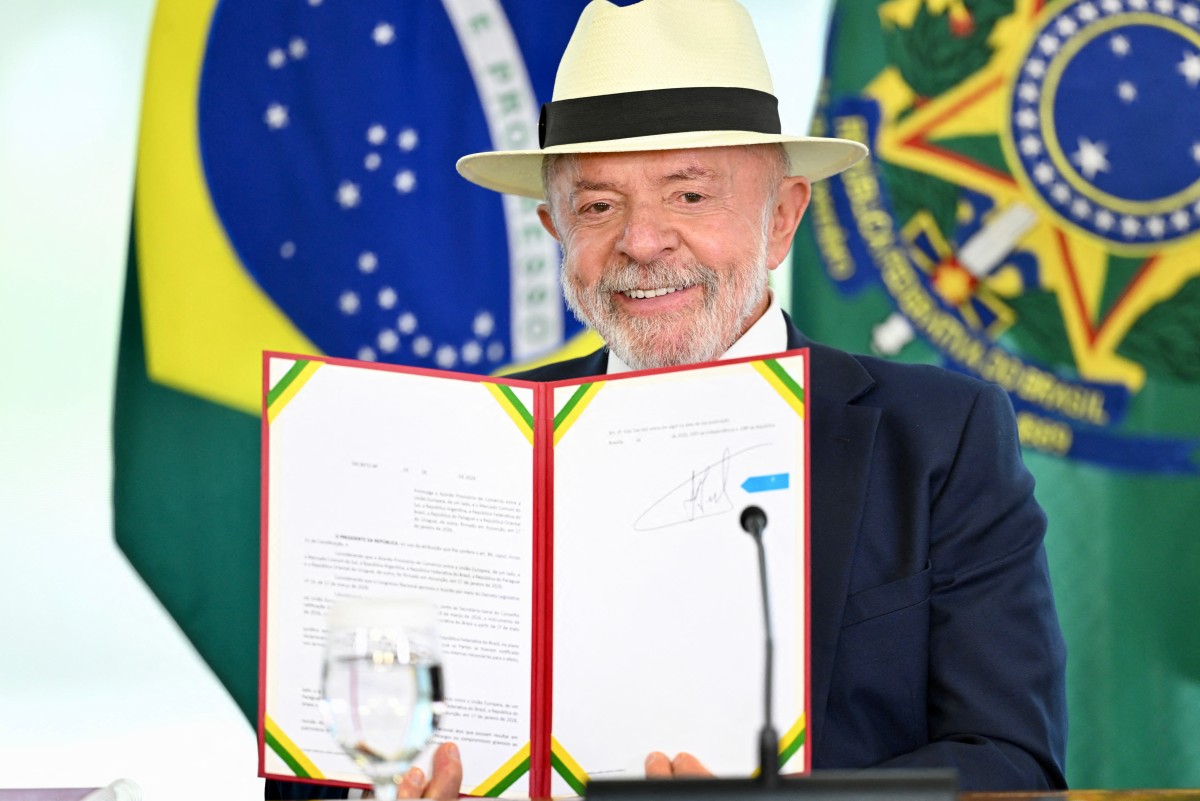
The EU-Mercosur Interim Trade Agreement entered into provisional application on 1st May, marking a major step in the European Union’s trade policy and opening a vast market of more than 700 million consumers across Europe and South America. The agreement covers the Mercosur bloc, which includes Argentina, Brazil, Paraguay, and Uruguay.
According to the European Commission, the deal will gradually eliminate import duties on over 91% of EU goods exported to the region. Key sectors expected to benefit include cars, pharmaceuticals, wine, spirits, olive oil, finance, IT, and transport services. EU exporters will also gain improved access to public procurement markets and simplified regulatory procedures, while 344 European Geographical Indications, such as Parmigiano Reggiano and Bordeaux, will receive legal protection in Mercosur countries.
Trade Commissioner Maroš Šefčovič said the implementation marks a “historic deal” and urged businesses to prepare for new opportunities.
However, a closer examination of its content reveals a set of structural economic risks that directly affect European agriculture, employment, regulatory coherence, and the continent’s overall economic resilience. European farmers operate under strict rules on food safety, environmental protection, and animal welfare, which significantly increase production costs. In contrast, Mercosur producers often face less stringent requirements, allowing lower prices on exports to the EU.
A study prepared for the Greens/EFA group in the European Parliament warns that this imbalance could distort competition and negatively affect European agriculture. It suggests that while the volume of EU exports may increase, the benefits for farmers could remain limited, with potential risks to farm income, employment, and rural economies, particularly in already vulnerable regions.