Lisi Niesner / POOL / AFP
European leaders have agreed to set up a new international body to handle compensation claims linked to the damage caused by the war in Ukraine, moving closer to a controversial plan to make Russia pay for the conflict.
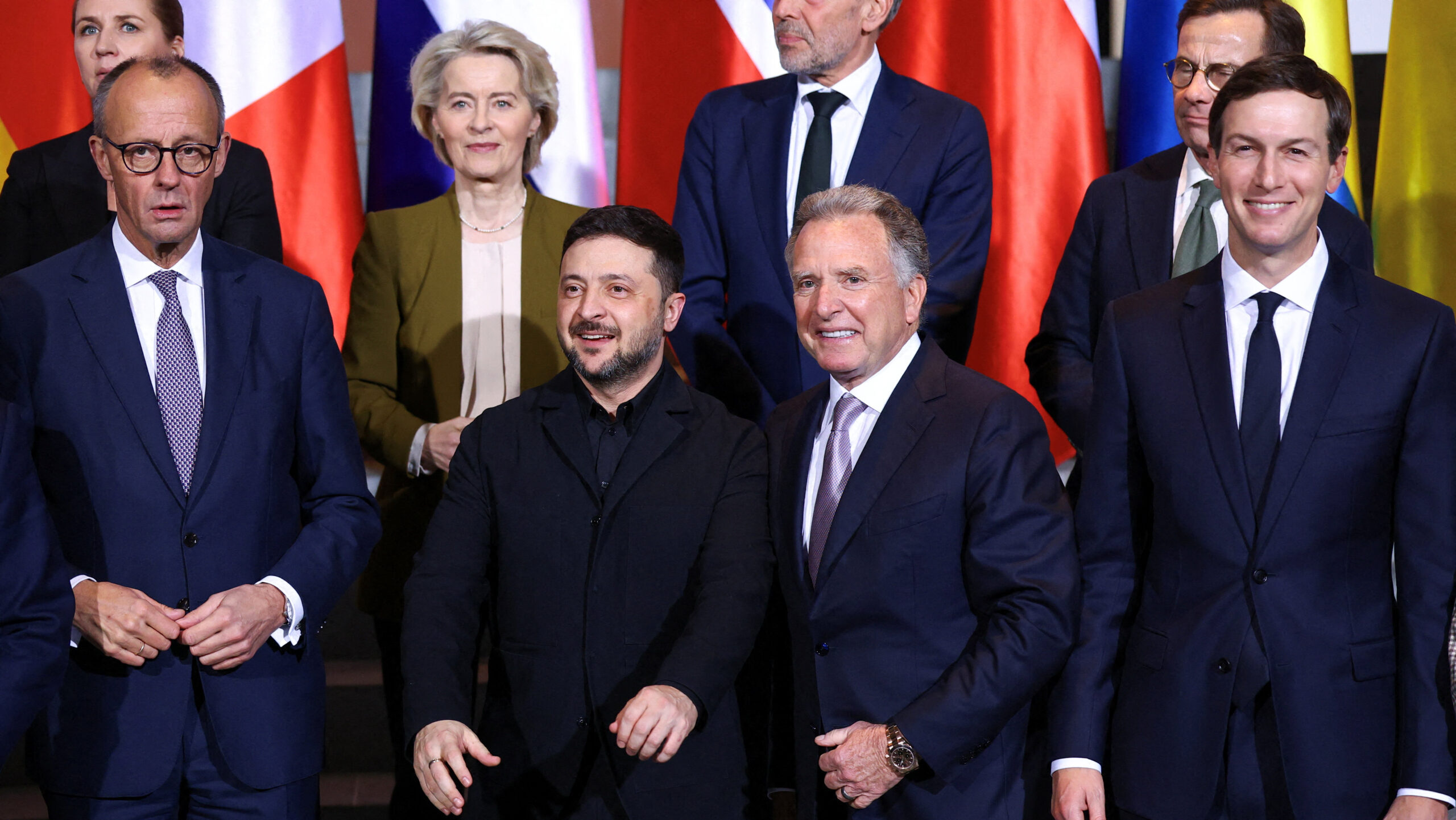
The decision, endorsed on Tuesday by representatives of 35 countries including Ukrainian President Volodymyr Zelensky, establishes an International Claims Commission that will review claims and decide how much compensation could be awarded.
The commission builds on a “Register of Damages” already created to collect claims from those affected by the war. More than 80,000 claims have been filed so far by individuals and organisations. What has not yet been settled is how any compensation would actually be paid — the most politically sensitive part of the plan.
The scheme is being coordinated through the Council of Europe, based in Strasbourg. Secretary General Alain Berset said a compensation fund could be set up within 12 to 18 months. The Netherlands has confirmed that the commission itself will be based in The Hague.
The announcement comes as EU governments step up efforts to use frozen Russian money to finance future payouts. Earlier this month, member states agreed to keep around €210 billion in Russian state assets frozen indefinitely, using emergency procedures that allowed them to sidestep the usual requirement for unanimous approval.
That move has unsettled several governments, particularly Belgium, where most of the frozen funds are held by the financial firm Euroclear. Belgian Prime Minister Bart De Wever warned that seizing the assets could carry serious legal and financial risks, likening it to “entering an embassy, taking out the furniture and selling it.”
Tensions have risen further after Russia’s central bank launched legal action against Euroclear, claiming losses caused by restricted access to its funds—a case that could shape how far Europe is willing to go in turning frozen assets into wartime compensation.