Stefan Wermuth / AFP
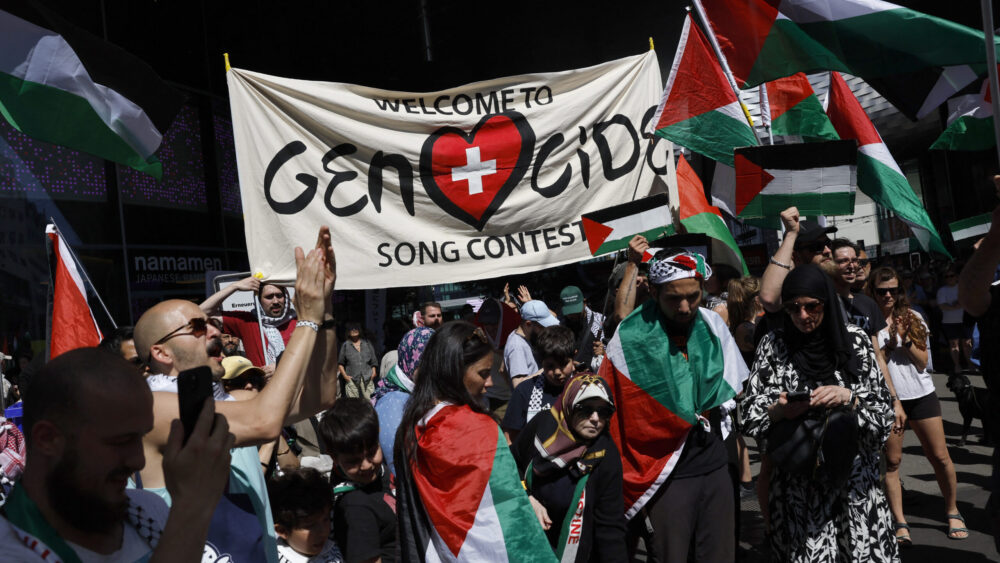
Tensions are rising ahead of the Eurovision Song Contest (ESC) 2026 in Vienna, as several countries threaten to withdraw if Israel is allowed to enter.
Iceland, Ireland, the Netherlands, Slovenia, and Spain, have all indicated potential boycotts, with Spain becoming the first of the Eurovision “Big Five”—France, Germany, Italy, Spain, and the UK—to formally announce it would pull out if Israel participates in the European Broadcasting Union (EBU) event.
In contrast, France and Australia have confirmed their participation. Australia’s Special Broadcasting Service (SBS) stated it will broadcast Eurovision 2026 “regardless of whether the EBU allows Israel to participate or not,” emphasizing its tradition of celebrating “diversity and inclusion with all Australians.”
France Télévisions reaffirmed its support for the competition and musical creativity, without commenting on Israel specifically. Malta’s Minister of Culture also confirmed the country would not boycott the contest if Israel competes.
Previously, Israel’s former Eurovision delegate Amir Alon reported that Italy and Germany had threatened to withdraw if Israel was excluded without clear legal grounds.
In response, German broadcaster SWR—responsible for Germany’s participation—stated
The ESC has been a major musical event for decades, connecting people across Europe and beyond through diversity, respect, and openness, regardless of origin, religion, or beliefs. It is a competition organized by EBU broadcasters, not by governments.
The Eurovision controversy reflects wider hostility to Israel in international sports and culture. Recently, former UK Labour leaderJeremy Corbyn urged UEFA to cancel Aston Villa’s November match against Israeli side Maccabi Tel Aviv.
While the boycott calls in football and pop music sound similar, they can also prefigure violence: last season, Maccabi Tel Aviv fans were attacked on the streets of Amsterdam.