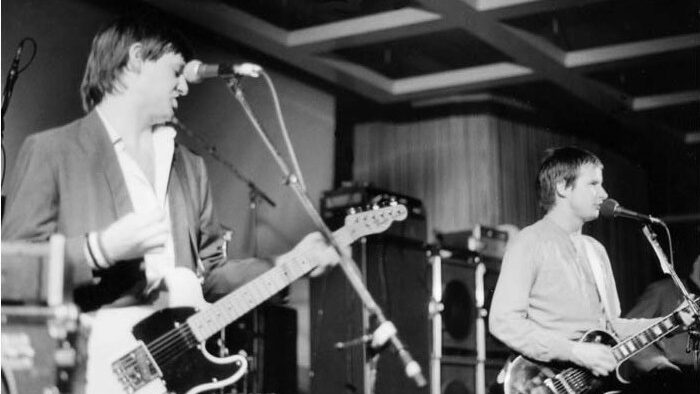
XTC: Singing about Making Plans for Nigel, not inciting murder
porcupiny from Buena Park, United States, CC BY 2.0, via Wikimedia Commons
A criminal investigation into UK Green Party leader Zack Polanski was dropped by London’s Metropolitan Police on Wednesday, July 29th, sparking another row over ‘two-tier policing.’
The row began when 20 images were shared on one of eco-zealot Polanski’s official social media accounts. One featured a photo of a Bristol activist wearing a T-shirt depicting a guillotine and the words “We’re only making plans for Nigel.” Reform UK leader Nigel Farage reported the post to police, arguing that it amounted to incitement.
Farage has recently drawn attention to the large number of death threats he receives, particularly since the killing of his colleague Ann Widdecombe. There may be a free speech argument for allowing the image to be shared—even with Polanski’s 713,000 Instagram followers—but Reform officials are understandably nervous. On Wednesday, Farage said that Polanski, as a political leader with a large following,
cannot put out on his social media the image that he did, my name, the guillotine, without some consequences.
However, the Met concluded that sharing the image did not meet the threshold for incitement. Avon and Somerset Police, which examined the conduct of the person wearing the T-shirt because the photograph was taken in its area, also found that “the threshold for a criminal offence has not been met”:
Particular consideration has been given to the context around the image; its use of song lyrics, and the marketing of the T-shirt as a satirical piece.
British readers may be surprised to see the Old Bill moonlighting as music critics. The phrase comes from ‘Making Plans for Nigel,’ a 1979 hit written by XTC bassist Colin Moulding. Much of the British mainstream media began highlighting this pop trivia only after the incitement investigation had ended, suggesting greater caution over how the image was described while the case remained open.
The decisions by both police forces to take no further action might attract less attention were it not for the arrests, harassment, and imprisonment of other Britons over social media posts, with Lucy Connolly perhaps the best-known example.