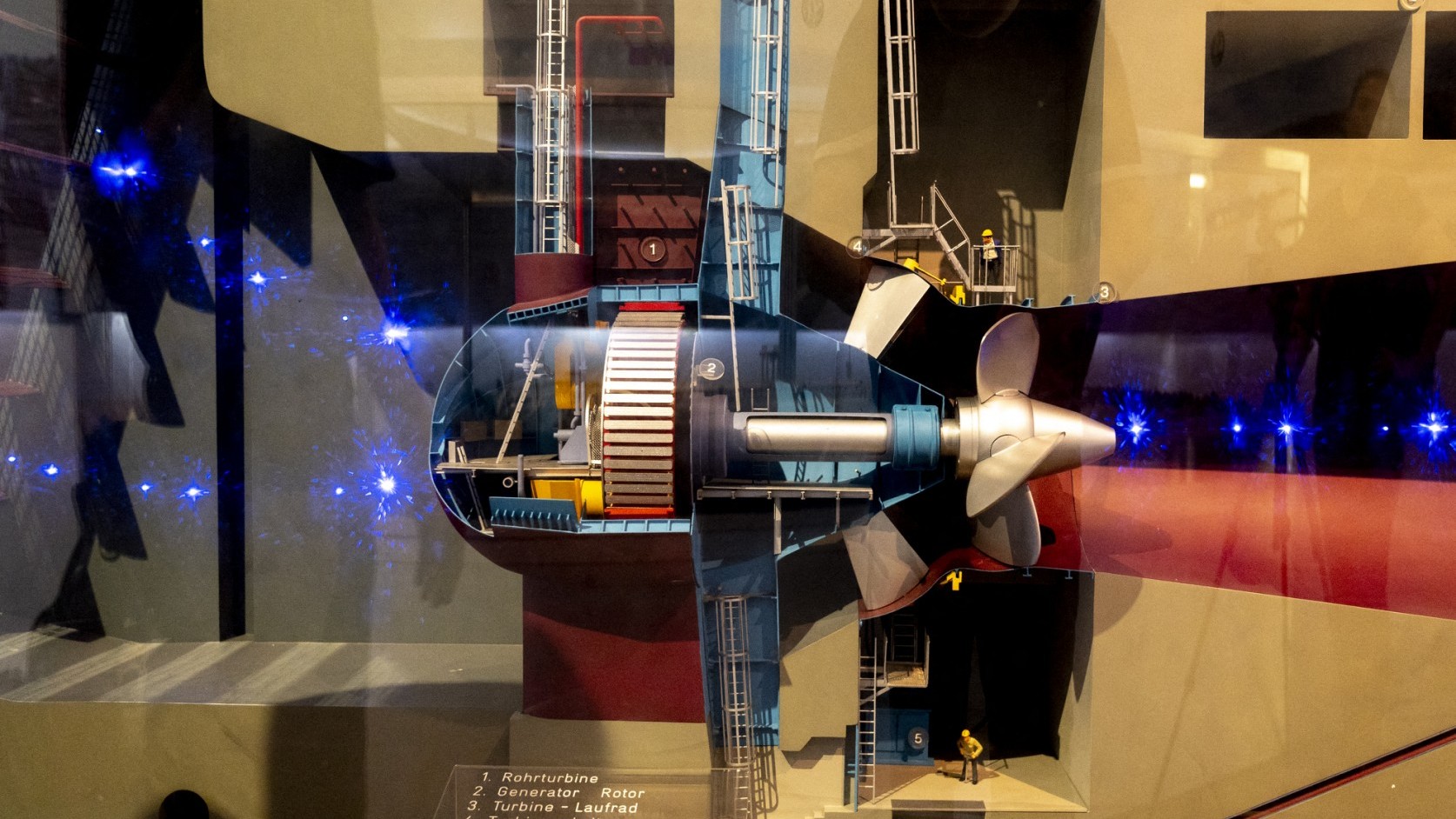
According to a report by the energy think tank Ember, integrating solar and wind power with existing hydropower infrastructure in Austria, Bulgaria, France, Italy, Portugal, Romania and Spain (the European Union’s major hydropower markets), this so-called hybridisation could add 18% of the new renewables expected to be generated by 2030 without the need for additional grid capacity.
“By adding wind or solar at the same connection point as a hydropower plant, developers can get online faster and operators can use grid infrastructure more efficiently–on average doubling utilisation–while staying within export limits,” says Elisabeth Cremona, head of energy infrastructures at Ember.
The report also emphasizes that combining wind and solar installations with hydropower creates a complementary energy system, as these sources often peak at different times or seasons. During periods of drought or low water levels, wind and solar generation can effectively offset drops in hydropower output, ensuring a more stable and reliable electricity supply. Hybridisation, the proponents of the scheme say, not only optimizes overall clean energy production but also reduces the financial risks traditionally associated with variable renewable energy sources.
Despite the significant potential, the roll-out of these hybrid projects faces major obstacles due to bureaucratic hurdles and outdated regulatory frameworks that slow down permitting. The think tank urges EU member states to modernize their regulations and streamline approval processes to prevent these ready-to-use capacity gains from being delayed. Successfully unlocking this potential would significantly support the EU in meeting its ambitious 2030 climate targets and trigger a substantial influx of private investment.
Would Westminster’s Miatta Fahnbulleh approve?