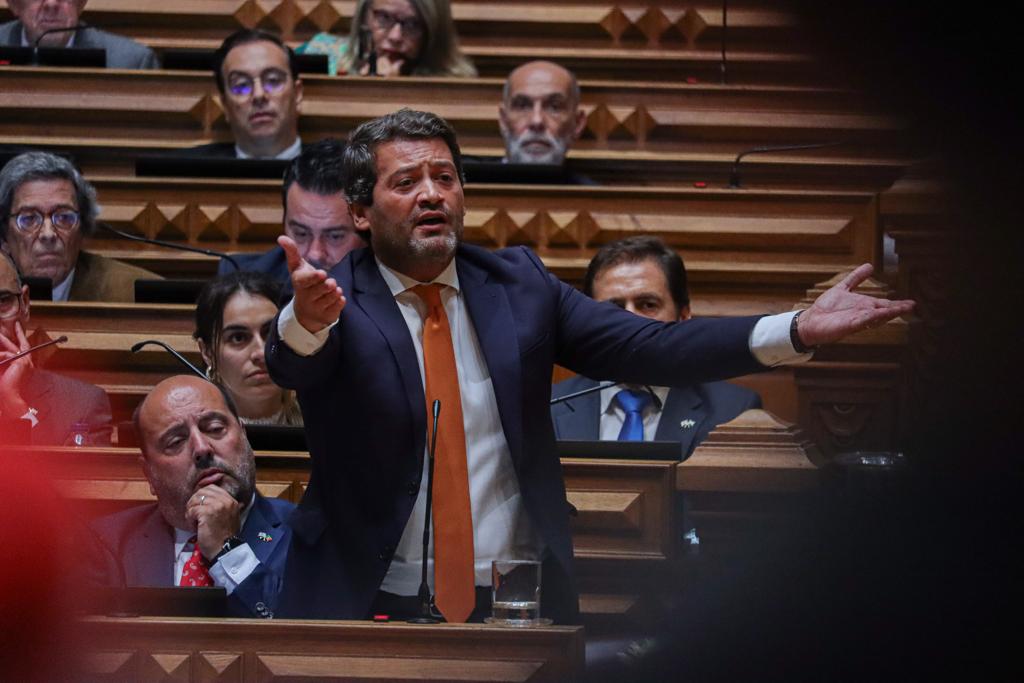
André Ventura in 2023.
The first round of Portugal’s presidential election began on Sunday, January 18th, with the possibility of a historic outcome: for the first time in four decades, no candidate is expected to win an outright majority—although the leader of the populist Chega party could advance to a run-off.
According to opinion polls Chega’s leader André Ventura could top the first round but could, predictions suggest, lose to any of his rivals in round two, scheduled for February 8th. A record 11 candidates are running, but only five are considered realistic contenders for the final round.
Alongside Ventura, the frontrunners include former Socialist Party leader António José Seguro, João Cotrim Figueiredo—a liberal member of the European Parliament—Luís Marques Mendes (the ruling right-wing party’s candidate), and Henrique Gouveia e Melo, a retired admiral who gained national prominence for leading Portugal’s Covid-19 vaccination campaign.
Many observers view the vote as a test of the Portuguese right wing’s strength. Chega became the largest opposition force in last year’s parliamentary elections, winning 22.8% of the vote and 60 seats, placing pressure on the minority centre-right government.
Although the Portuguese head of state holds no executive power, in times of crisis the president can dissolve parliament and call new elections, making the outcome of the presidential vote significant for the country’s political stability.