A referendum was held in Slovakia on Saturday, July 4th. In the tenth referendum in the country’s history, voters could express their opinion on whether the incumbent prime minister should be stripped of lifelong payments, as well as on reviving the Special Prosecutorʼs Office and the National Criminal Investigation Agency.
The petition to hold the referendum was initiated by the opposition party Demokrati (Democrats), led by Jaroslav Naď, defense minister in the previous government.
In Slovakia, referendums are valid if at least half of eligible voters plus one cast a valid vote.
In line with expectations, the referendum became invalid due to a low turnout of just 16%. Out of 4.37 million eligible citizens, 705,000 voted, which is the second-lowest turnout in the history of Slovak referendums.
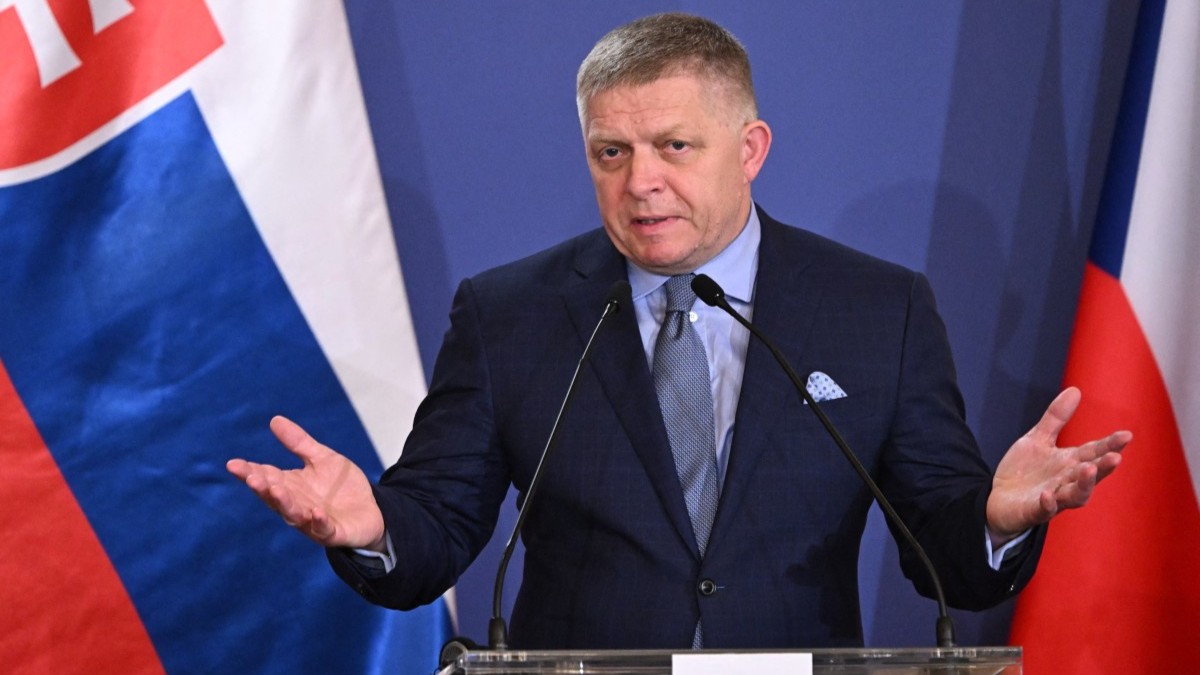
Regarding the referendum, Robert Fico wrote on his Facebook page that he did not participate in Saturday’s vote, as he considered it “incitement to hatred.”
While the result of the referendum is invalid, the overwhelming majority of those who voted supported the abolishing of the lifelong remuneration of former prime ministers, a privilege introduced by legislation passed under the governing coalition.
“We did not run any counter-campaign against the referendum, as we respect it as the highest form of direct democracy. Turnout would have been even lower if we had actively explained the pointlessness of the initiative to the public,” Fico emphasized. He added he regretted that €12 million were taken from the state budget for the “pointless referendum.”
According to Slovak President Peter Pellegrini, the initiators of the referendum are not taking responsibility after the failure, choosing instead to blame others.
“The initiators are looking for culprits everywhere but in themselves,” Hungarian language website Új Szó quoted the head of state as saying.