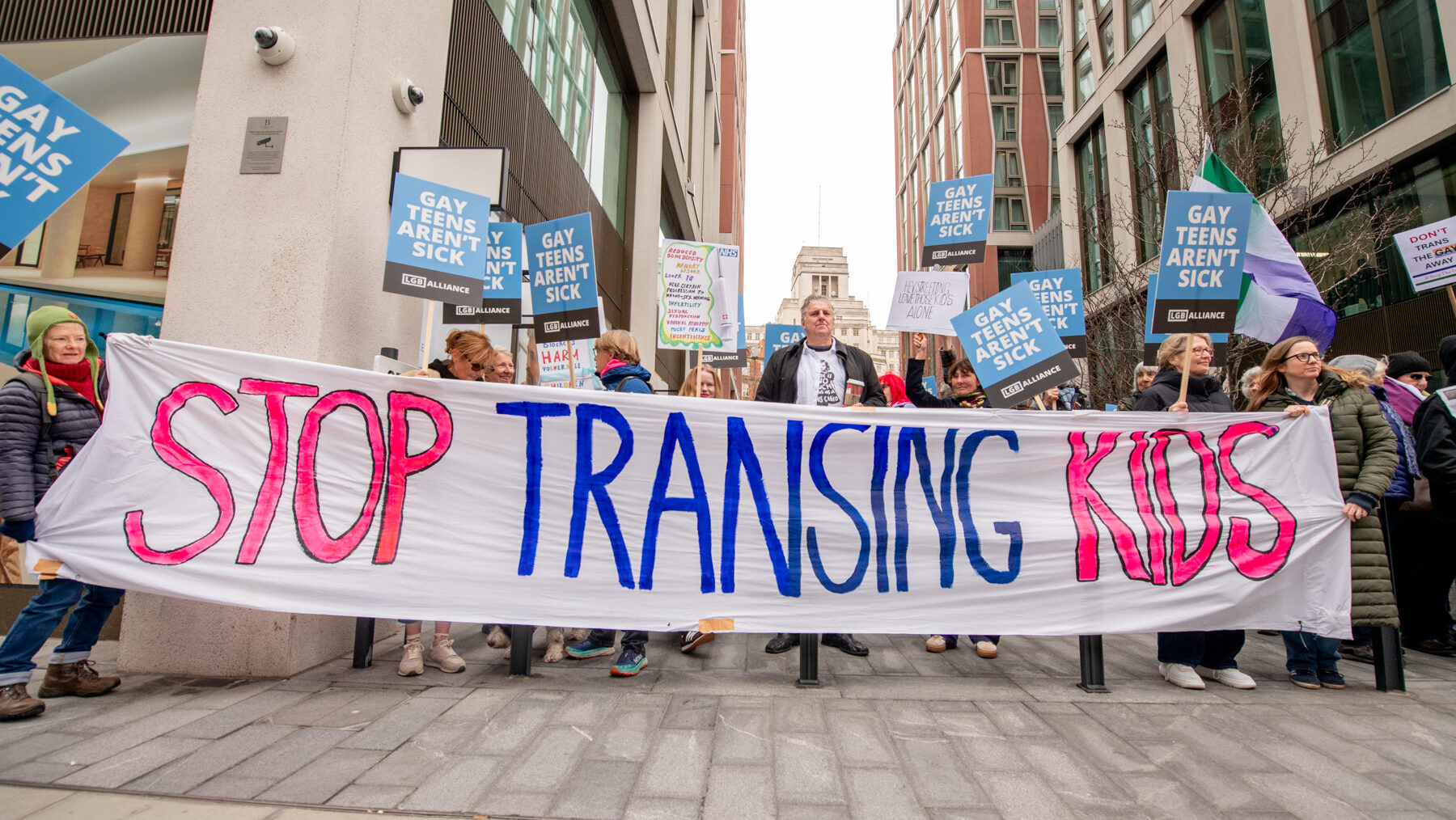
The British High Court has rejected an attempt to stop children being recruited for an NHS-funded trial of puberty blockers.
Judges refused campaigners permission to bring a full judicial review against the Pathways study, allowing researchers to begin enrolling around 226 children. Girls must be at least 11 and boys at least 12 before receiving the drugs.
The legal challenge was brought by the Bayswater Support Group, which represents parents of children questioning their gender, together with detransitioner Keira Bell and campaigner James Esses.
They argued that the Medicines and Healthcare products Regulatory Agency (MHRA) and the Health Research Authority had acted unlawfully in approving the study. Their objections included concerns that regulators had not properly considered possible long-term effects on fertility, bone and brain development, and psychological wellbeing.
The campaigners also questioned the design of the trial. Because every participant will eventually receive puberty blockers, they argued, it lacks a meaningful control group capable of showing whether any changes in wellbeing result from the drugs, psychological support or simply the passage of time.
After the ruling, Esses described the trial as “deeply unethical and highly dangerous” and said he would consult lawyers about a possible appeal.
Bell called the decision “a tragedy” and said the trial represented “a profound descent into the desecration of our humanity”.
The Pathways study was commissioned following Baroness Cass’s independent review of children’s gender services, which found “remarkably weak” evidence supporting the use of puberty blockers. Although the review concluded that there was insufficient evidence to establish whether the drugs were beneficial or harmful, it recommended a properly designed clinical trial to answer those questions.
Puberty blockers have since been banned indefinitely for routine NHS use among under-18s after the Commission on Human Medicines concluded that they posed “an unacceptable safety risk” outside a research setting. The Pathways trial was granted an exception.
The study was paused earlier this year after the MHRA raised concerns about “potentially significant” biological harm and proposed a minimum age of 14. The regulator later approved revised protocols under which girls can receive the drugs from 11 and boys from 12.
The Government and regulators maintain that the study was lawfully approved and that a closely monitored trial is necessary because the benefits and risks of puberty blockers remain uncertain.