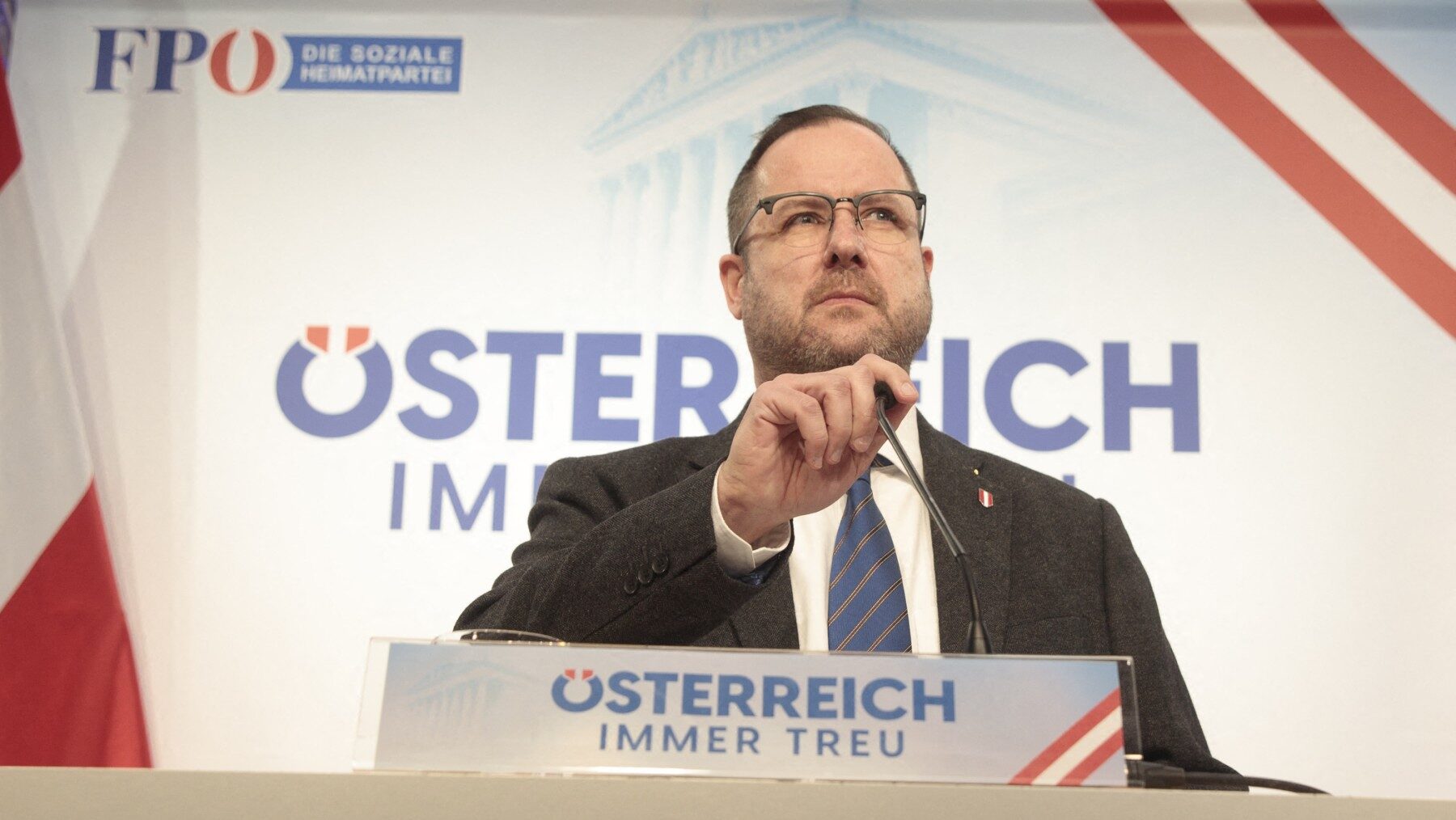
Christian Hafenecker
Alex HALADA / AFP
The number of foreign nationals identified as criminal suspects in Austria rose to 164,573 last year, according to new figures presented by Interior Minister Gerhard Karner.
The total was 7,515 higher than in 2024, prompting the Freedom Party (FPÖ) to accuse the government of losing control of immigration despite its claims of record deportations.
Theft was the most common offence involving non-Austrian suspects, with 23,870 recorded in 2025. A further 17,902 were suspected of assault and 6,700 of drug offences.
The number of asylum seekers registered as suspects also increased, rising by 471 to 11,896.
Foreign nationals were suspects in 21 of Austria’s 74 recorded murder cases, or 28.4%, despite making up 20.4% of the country’s population. One of those cases involved an asylum seeker.
They were also linked to 471 rape cases—an average of around 1.3 per day—including 58 involving asylum-seeker suspects. A further 1,468 cases of serious bodily harm involved foreign suspects, including 146 involving asylum seekers.
The figures also included 112 cases of serious sexual assault against children under 14 involving non-Austrian suspects, including 19 involving asylum seekers. Investigations of foreign nationals suspected of involvement with terrorist organisations rose from 83 in 2024 to 117 last year.
The statistics record suspects rather than convictions.
FPÖ Secretary General Christian Hafenecker said the figures undermined the government’s claims that its deportation policies were working.
“The situation is out of control, and Karner’s alleged deportation offensive is a complete fabrication,” he said.
Hafenecker argued that if the government were removing as many foreign offenders as it claimed, the number of offences involving them would not be rising year after year.
“More perpetrators are coming than are leaving the country,” he said, describing the situation as “a complete failure of the state.”
The FPÖ called for Austria to declare a “migration emergency,” deport foreign criminals, suspend family reunification and halt illegal immigration.
“Every additional day without a migration emergency is a day too many,” Hafenecker said.