Attila KISBENEDEK / AFP
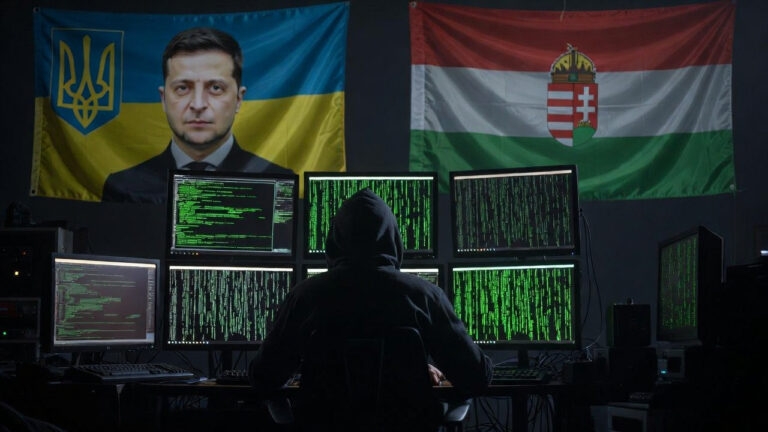
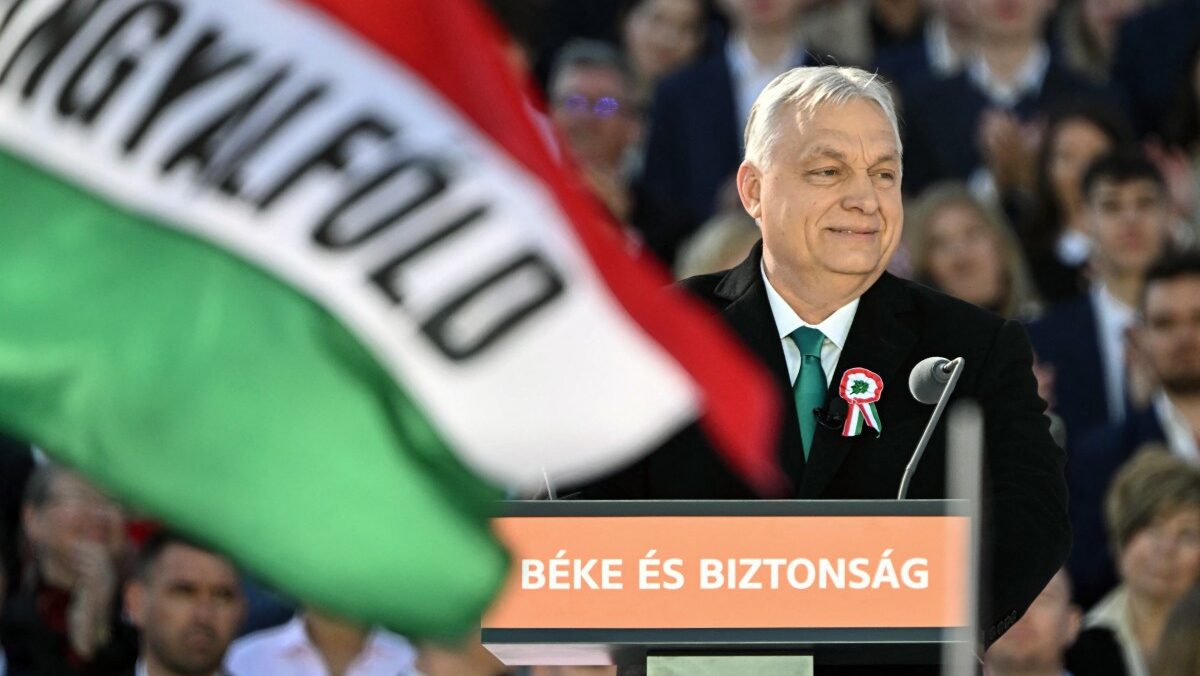
The European Commission has activated a “rapid response system” to monitor Hungary’s upcoming elections—despite presenting no public evidence of any ongoing foreign interference. The action coordinates social media platforms, ‘fact-checkers,’ and NGOs to monitor what it calls potential disinformation.
The mechanism, confirmed on Tuesday, is part of the EU’s code of practice on disinformation and now embedded in the Digital Services Act (DSA), giving Brussels greater oversight of how online platforms handle political content. It brings together companies such as TikTok and Meta with hand-picked NGOs to identify and flag material deemed suspicious and coordinate responses in real time.
A Commission spokesperson said the framework allows participants to “flag potential interference,” while acknowledging that elections remain a national competence.
The move reflects a broader shift in Brussels—from responding to proven cases of foreign interference to preparing intervention based on anticipated threats. Officials frequently warn of Kremlin-linked disinformation, but rarely provide concrete examples.
The issue is not only the lack of evidence in Hungary, but the expanding scope of the tools themselves. What began as a voluntary code of conduct has become a set of regulations with direct implications for how political information circulates online.
Some also point to the annulment of elections in Romania as a sign of how far European institutions are willing to go in the name of “protecting democracy.” Against that backdrop, the system could shape information flows during the campaign under the banner of safeguarding stability.
The Hungarian case comes as the Commission attributes unrest elsewhere to alleged Russian influence. This week, Brussels warned of Kremlin-backed disinformation targeting EU agricultural policy, including criticism of the Mercosur trade deal and opposition to Common Agricultural Policy reforms.
Farmers’ organisations reject that claim, saying protests are driven by rising costs, over-regulation, and competition from imports that do not meet EU standards.
Attributing political discontent to foreign manipulation rather than domestic policy decisions has fuelled growing mistrust in EU institutions, especially in rural regions where the impact is most acute.