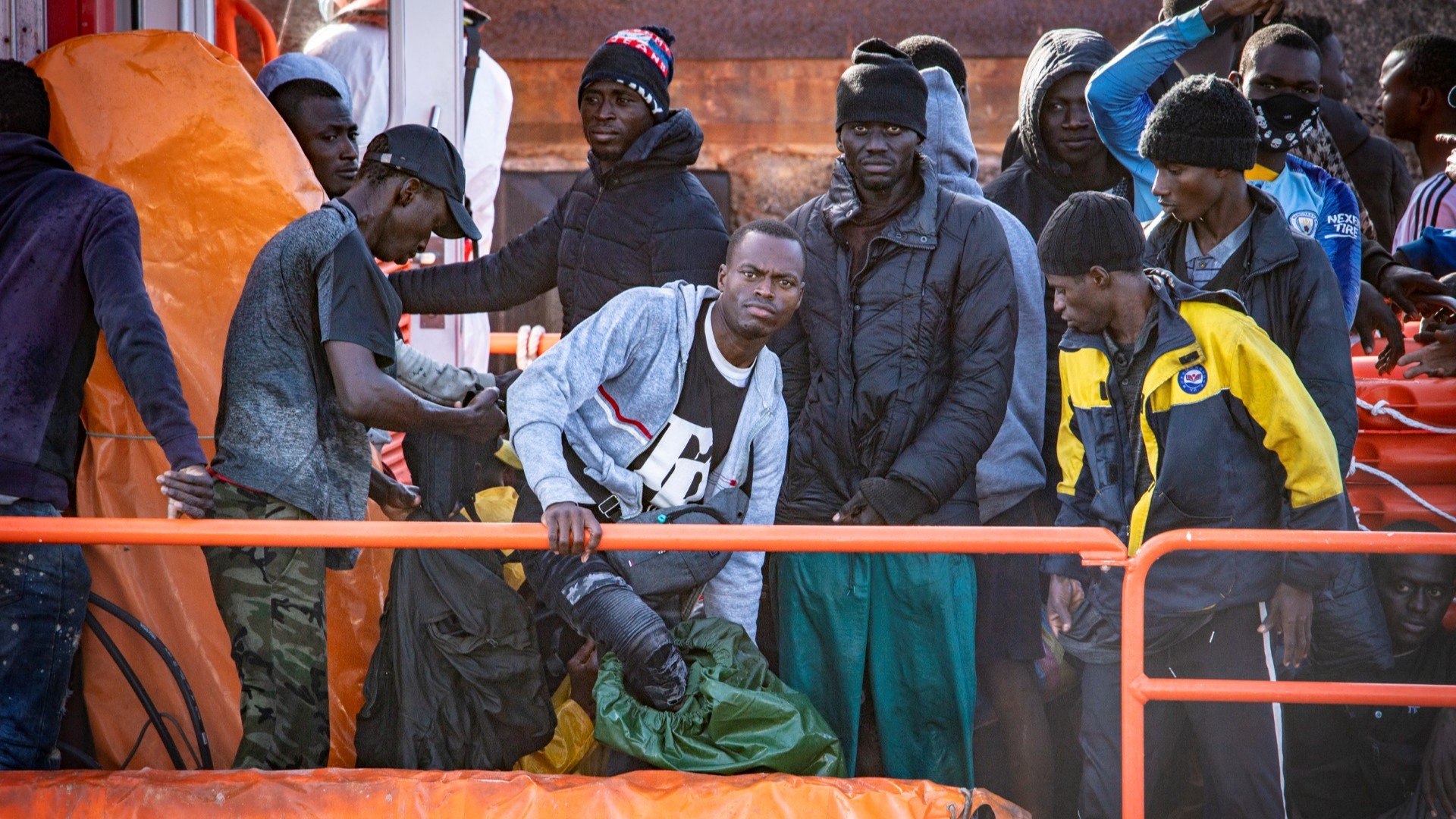
Migrants disembark after being rescued at sea by a Spanish Salvamento Maritimo (Sea Search and Rescue agency) vessel, at La Restinga port on the Canary island of El Hierro, on December 3, 2024.
Antonio Sempere / AFP
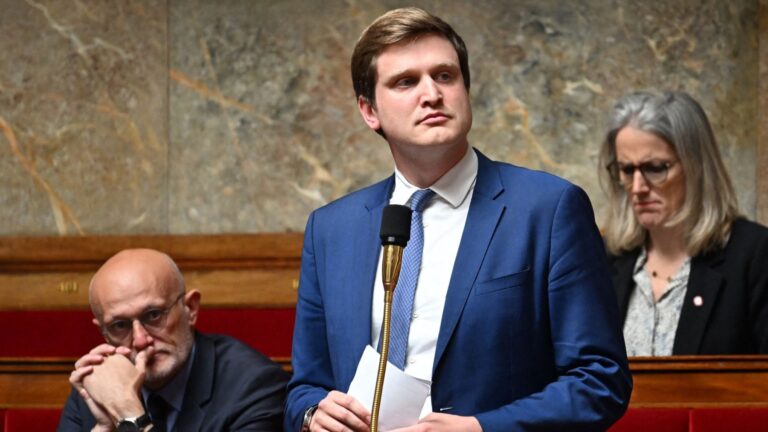
A delegation from the European Parliament visited the Canary Islands between Monday and Tuesday this week with the aim of “seeing on the ground” the migration situation in the archipelago. However, the mission’s outcome suggests a lack of political will to to tackle the root causes of the crisis.
The parliamentarians, led by the chairman of the Petitions Committee, Bogdan Rzońca, toured facilities such as the Las Raíces center in Tenerife and held meetings with local authorities. Their statements stressed the need to increase financial aid to Spain to improve care for migrants and facilitate their integration.
Rzońca himself was clear: what matters to the European Union is “to find funds to be able to help migrants.” A statement that reflects the main line of this visit: turning a challenge of security and sovereignty into a budgetary issue.
The president of the Canary Islands, Fernando Clavijo, took advantage of the visit to insist on the need for more resources. He denounced delays in transfers from the central government—up to 130 million euros that the Canary Islands have had to cover with their own funds—and argued that care for unaccompanied foreign minors requires a specific legal and budgetary framework.
🔵 @FClavijoBatlle incide en la necesidad de que la UE reconozca un estatus específico para la infancia no acompañada
— Presidencia GobCan (@PresiCan) September 15, 2025
El presidente canario trasladó a la Comisión PETI la situación que afronta Canarias como frontera Sur de Europahttps://t.co/kOyxfNaqYQ pic.twitter.com/nuyEfEeyi0
Clavijo and the MEPs’ words reinforce the idea that irregular immigration in the Canary Islands is consolidating as a business. If the problem boils down to the amount of money flowing from Brussels and Madrid to the islands, what real incentive exists to solve it? Funding becomes the phenomenon’s engine, as europeanconservative.com was able to see on the ground this past summer while recording a documentary soon to be published.
The facts speak for themselves. According to local media, in barely three days, more than 330 migrants arrived in the Canary Islands on cayucos (small wooden boats), coming mainly from Gambia after 20 days of navigation. The harshness of this route—one of the longest and deadliest in the world—has not deterred departures from the African coast.
The latest cayuco rescued off El Hierro carried 60 people, among them an albino woman, whose life in Africa was marked by the threat of persecution. These images served as the backdrop to the statements of the MEPs, who stressed the need to continue “guaranteeing dignity” in the care given to those who arrive.
To this must be added the recent report from Spain’s Attorney General’s Office, which warns of the infiltration of criminal networks into migration flows. The document points out that mafias are using the cayucos not only to transport migrants, but also to introduce criminals with malicious intentions into European territory.
Despite these warnings, political debate continues to focus on the distribution of funds and humanitarian reception, while ignoring the deeper reality: that human trafficking has become an industry sustained by institutional passivity and the constant injection of public money.