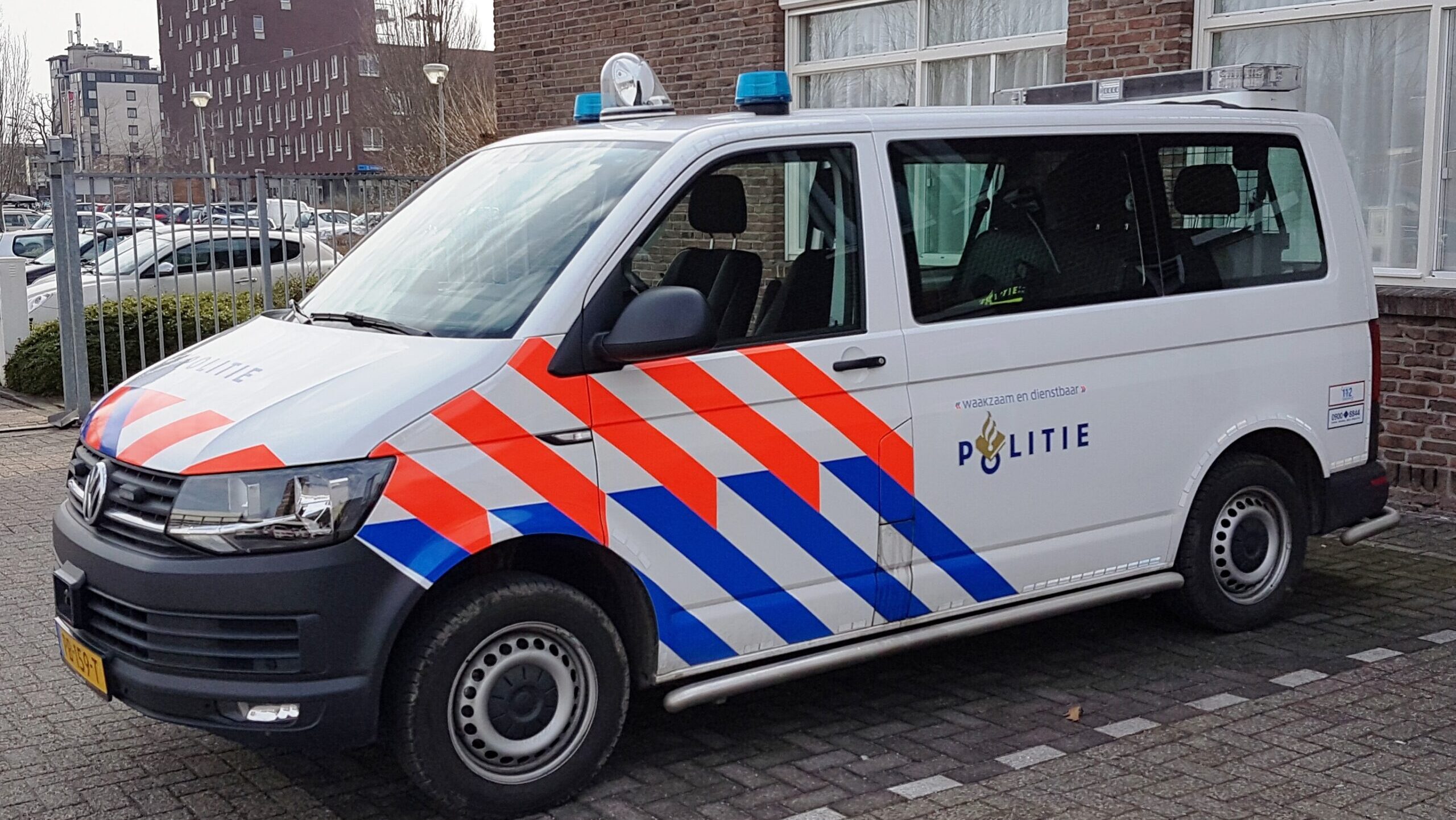
Homes belonging to supporters of a planned asylum centre have been vandalised in the Dutch villages of Engelen and Bokhoven, marking the latest escalation in a dispute that has already involved demonstrations, a motorway blockade and an explosion.
Police said homes, fences and other properties had been spray-painted with slogans including “AMV nee” and “POA,” as well as crude insults. AMV is the Dutch abbreviation for unaccompanied minor foreign nationals, while POA refers to a reception facility used during the asylum process.
Several complaints have been filed, and officers are working to determine how many properties were damaged. Police are conducting house-to-house inquiries, seeking CCTV footage and increasing patrols in Engelen and Bokhoven.
The vandalism is believed to be connected to plans announced by the municipality of Den Bosch in early April to accommodate 50 unaccompanied asylum seekers aged between 15 and 18.
The Dutch asylum reception agency COA was offered a former police station on an industrial estate at Beverspijken, near the border between Den Bosch and Engelen.
The proposal has faced sustained opposition from local residents. Several demonstrations have been held outside the planned centre, with public-order police intervening on multiple occasions. Protesters also blocked the nearby A59 motorway during one demonstration.
Tensions intensified further after an explosive device went off at the building earmarked for the centre.
The dispute follows a series of local protests against asylum accommodation projects elsewhere in Europe in recent years.
In the German city of Monheim am Rhein, around 80 parents attended a council meeting in 2023 to protest against plans to accommodate approximately 80 asylum seekers in portable classrooms on the grounds of a school complex containing two primary schools and a special-needs school.
Parents raised concerns about safety and the possible effect on pupils. Mayor Daniel Zimmermann described their fears as “unfounded” and said the project would proceed despite their objections.
In London, demonstrators gathered outside the four-star Britannia International Hotel in Canary Wharf in July 2025 after it was placed under Home Office control for use as possible overflow accommodation for migrants.
The hotel had been requisitioned to receive people being housed in Kent. Police vans and a helicopter were deployed to prevent protesters from blocking the entrance, although no arrests were reported.
Some of the most serious unrest occurred in Ireland in July 2024, when a former paint factory in Coolock, north Dublin, that had been earmarked as a 500-person asylum centre was set on fire following months of protests.
Earlier demonstrations had resulted in clashes with riot police and multiple arrests. Fifteen people were arrested during disturbances days before the fire, after petrol bombs were reportedly thrown at officers.
Crowds gathered near the burning building chanting “get them out,” while passing motorists sounded their horns in support.
On the same night, an abandoned hotel in County Limerick that was rumoured to be preparing to accommodate refugees was also set on fire.
The latest vandalism in Engelen and Bokhoven represents another escalation in a dispute that has already involved repeated demonstrations, police interventions, a motorway blockade and an explosion at the proposed reception centre.