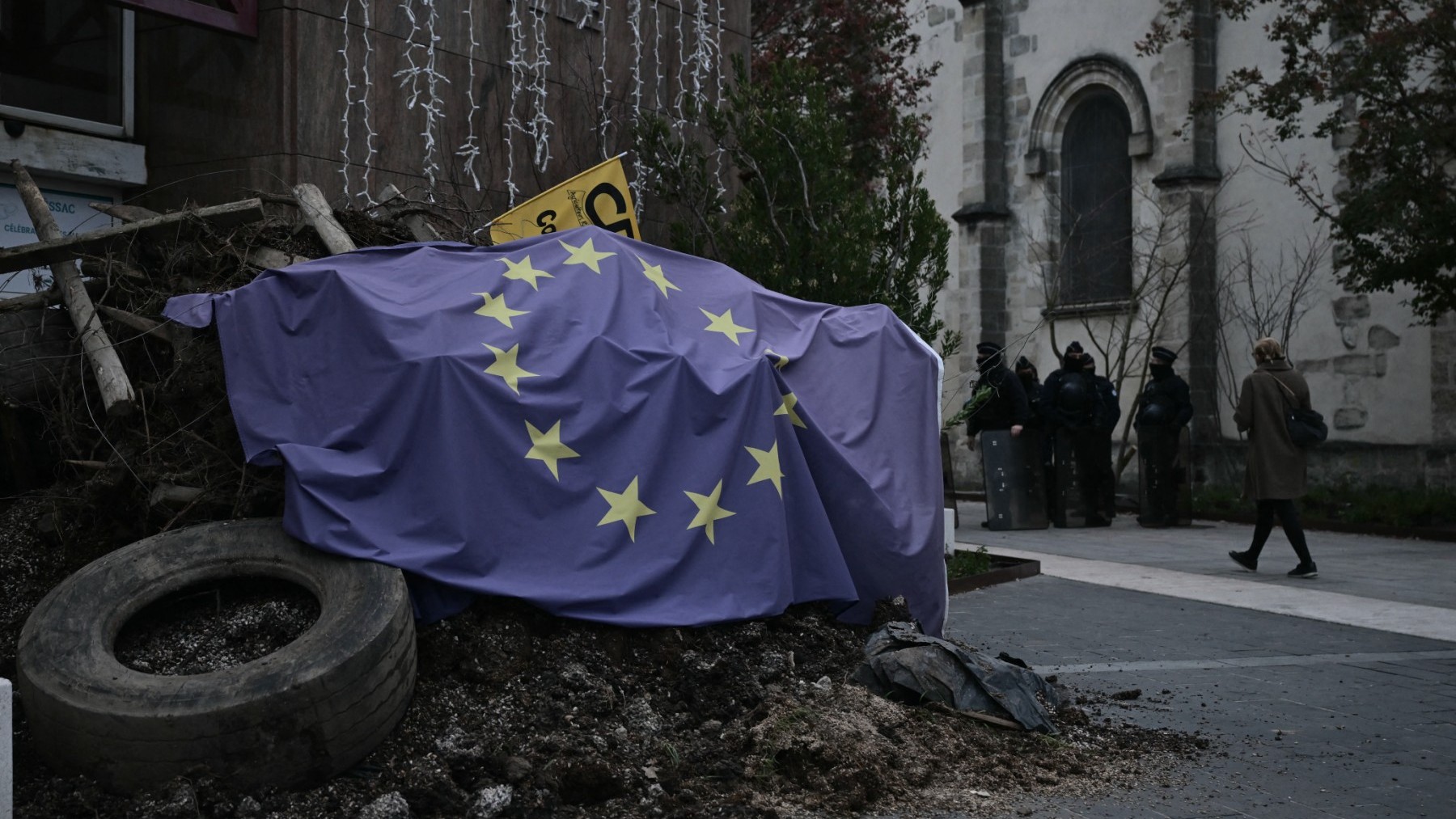
An EU flag is displayed over slurry by French farmers of the CR union in front of the city hall during a nationwide protest against the EU-Mercosur agreement in Pessac, France, on November 19, 2024.
Philippe Lopez / AFP
This week sees Brussels host one of those meetings that, while absent from the Council’s regular calendar, reveals the scale of a decision that is already all but settled. European Union agriculture ministers will gather for an extraordinary meeting this Wednesday, January 7th, in the European capital, convened by the Commission in a last-ditch attempt to politically contain mounting unrest in the farming sector ahead of the imminent signing of the Mercosur trade agreement, scheduled—barring last-minute surprises—for January 12th.
The meeting comes just three weeks after a major revolt by farmers and livestock producers brought Brussels to a standstill with tractors, protests, and a clear message: Europe’s rural sector feels it is being sacrificed on the altar of geopolitics and free trade. Yet few in the EU quarter expect any substantive changes to the text of the agreement. The gathering is more of a political gesture than a genuine negotiation.
Held at the Commission’s headquarters, the Berlaymont building, the meeting breaks with standard practice. Agriculture ministers typically meet once a month within the formal framework of the Council, rather than in ad hoc political sessions convened directly by the Commissioner.
That exceptional format underlines the urgency of the moment. The Commission aims to finalize the Mercosur signing with minimal internal turbulence and, above all, without triggering another wave of agricultural protests—each round attracting broader public sympathy than the last.
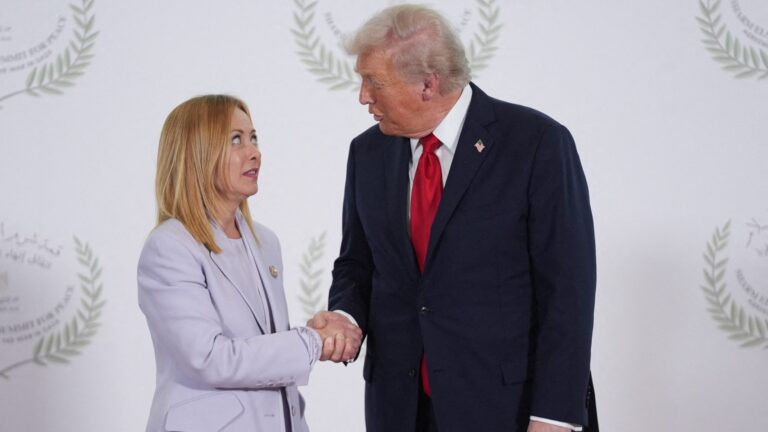
The political fault line lies less in the meeting room than in national capitals. After leading the push alongside France to delay the deal last December, Italy now appears ready to lift its veto. Prime Minister Giorgia Meloni’s government is said to have secured additional commitments on safeguard clauses and import controls—enough to justify a change of position at home.
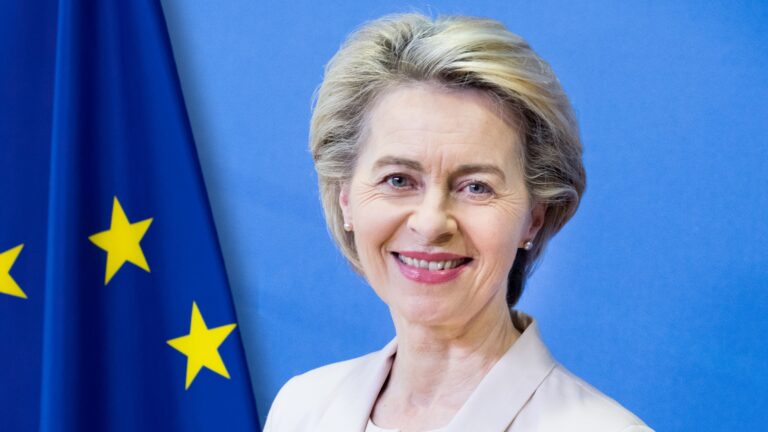
If Rome confirms its support at the ambassadors’ meeting scheduled for Friday, the path will be cleared for Commission President Ursula von der Leyen to travel to Paraguay and sign the agreement on January 12th.
France, by contrast, remains firmly opposed. Paris insists the deal is “neither fair nor balanced” for European farmers and has even threatened unilateral bans on products treated with pesticides prohibited in the EU. Politically, however, French resistance may no longer be decisive: the agreement can be approved by a qualified majority, without Paris’ backing.
President Emmanuel Macron’s strategy is largely political. After years of backing climate legislation widely blamed by farmers and livestock producers for rising costs and regulatory pressure, he has repositioned himself as their defender in search of electoral dividends amid mounting domestic difficulties. According to recent polling, however, the manoeuvre has delivered fewer returns than the Élysée had hoped (15% for Macron’s party).
The question hanging over Wednesday’s meeting is the same one voiced among the tractors three weeks ago: will European farmers receive real guarantees? The Commission speaks of stricter controls, “mirror clauses,” and safeguard mechanisms, but continues to avoid concrete commitments on financial compensation. Several member states, including Italy, have called for additional EU budget funds to cushion the impact of the agreement on the primary sector.
For now, Brussels is sticking to broad assurances and to reiterating the “strategic value” of the pact. The agreement with Mercosur—Brazil, Argentina, Uruguay, and Paraguay—would create a market of around 780 million consumers and allow the EU to project greater trade power at a time of intensifying rivalry with the United States and China. From the Commission’s perspective, the message is blunt: Mercosur is about geopolitics, not agriculture.
What is less openly explained to the public is the price being paid. According to Commission sources, the underlying trade-off swaps agricultural market share for industrial and technological access.
Brussels is effectively sacrificing part of its farming sector in exchange for selling more industrial and high-tech goods. Whether this proves a sound strategy remains to be seen. What is beyond doubt is that it risks triggering fresh crises in a European Union already badly scarred by the failures—or misjudgements—of its political leadership.