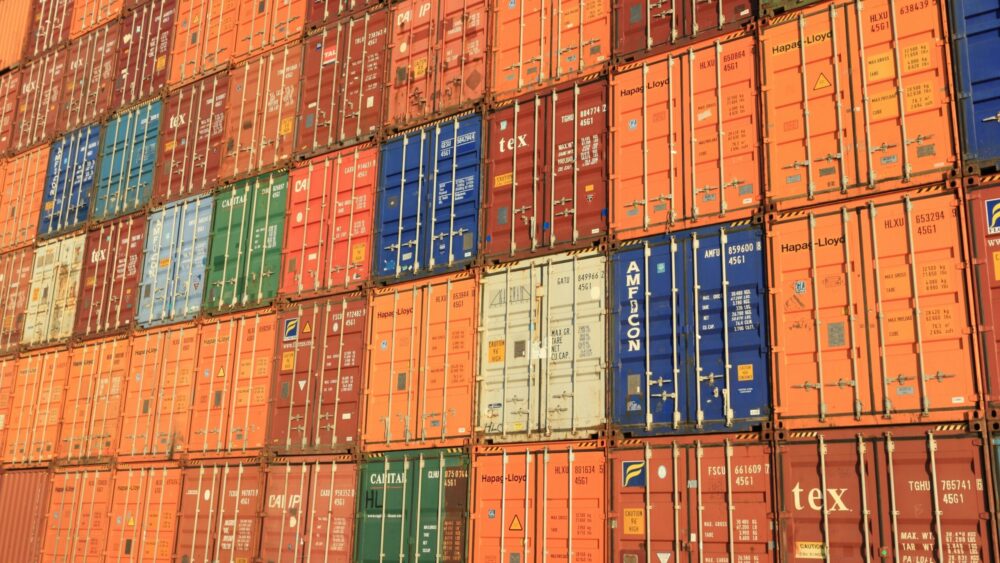
Photo from Pixabay
The European Union has agreed to exempt 90% of companies from paying the controversial climate tariff set to take effect in 2026, effectively conceding to political and business pressure. This marks a substantial—though unacknowledged—correction to the so-called Carbon Border Adjustment Mechanism (CBAM), a key pillar of the European Green Deal.
The decision, adopted by negotiators from the European Parliament and the Council, raises the emissions threshold to 50 tonnes of CO2 per year, effectively exempting the vast majority of importing firms from mandatory payment. Only 10% will have to pay the tax—a clear step back, though not officially described as one.
The new approach is part of the first round of “legislative simplification” promoted by the European Commission. However, despite the evident shift, neither Brussels nor the Parliament has admitted any error. On the contrary, both institutions have framed the change as a success, stating that “the climate ambition remains unchanged,” according to the European Parliament, since 99% of emissions in key sectors—steel, cement, aluminium, and fertilisers—will remain covered by the CBAM.
Italian Socialist MEP Antonio Decaro, Parliament’s lead negotiator, defended the move as a response to industry demands: “We have answered companies’ calls to simplify the process.” The announced adjustments include reduced bureaucracy, improved emissions calculations, and greater legal certainty for importers.
Although EU institutions have not openly admitted it, this U-turn represents a partial victory for those who warned of the economic risks of the CBAM. Various industrial sectors and some parliamentary groups had raised alarms over the disproportionate impact this tariff would have on the competitiveness of European companies—small and medium-sized enterprises—and the potential for increased offshoring or closures.
The correction comes after months of data collection during a transitional phase that began in October 2023. This phase unfolded amid economic slowdown, an energy crisis, and growing public discontent with Brussels’ climate mandates. The fear of “early industrial suicide” appears to have left its mark.
What stands out most is how the Commission and Parliament have presented the agreement: rather than admit retreat, they have framed it as a technical requirement. Many see this as an effort to save face and avoid handing a win to the growing Eurosceptic and reformist forces across the continent.
Both institutions must formally approve the final text, which is expected to take effect shortly after its official publication. Even so, the Green Deal’s overarching climate goals remain intact, meaning that this rectification is not a full reversal but a tactical retreat.