
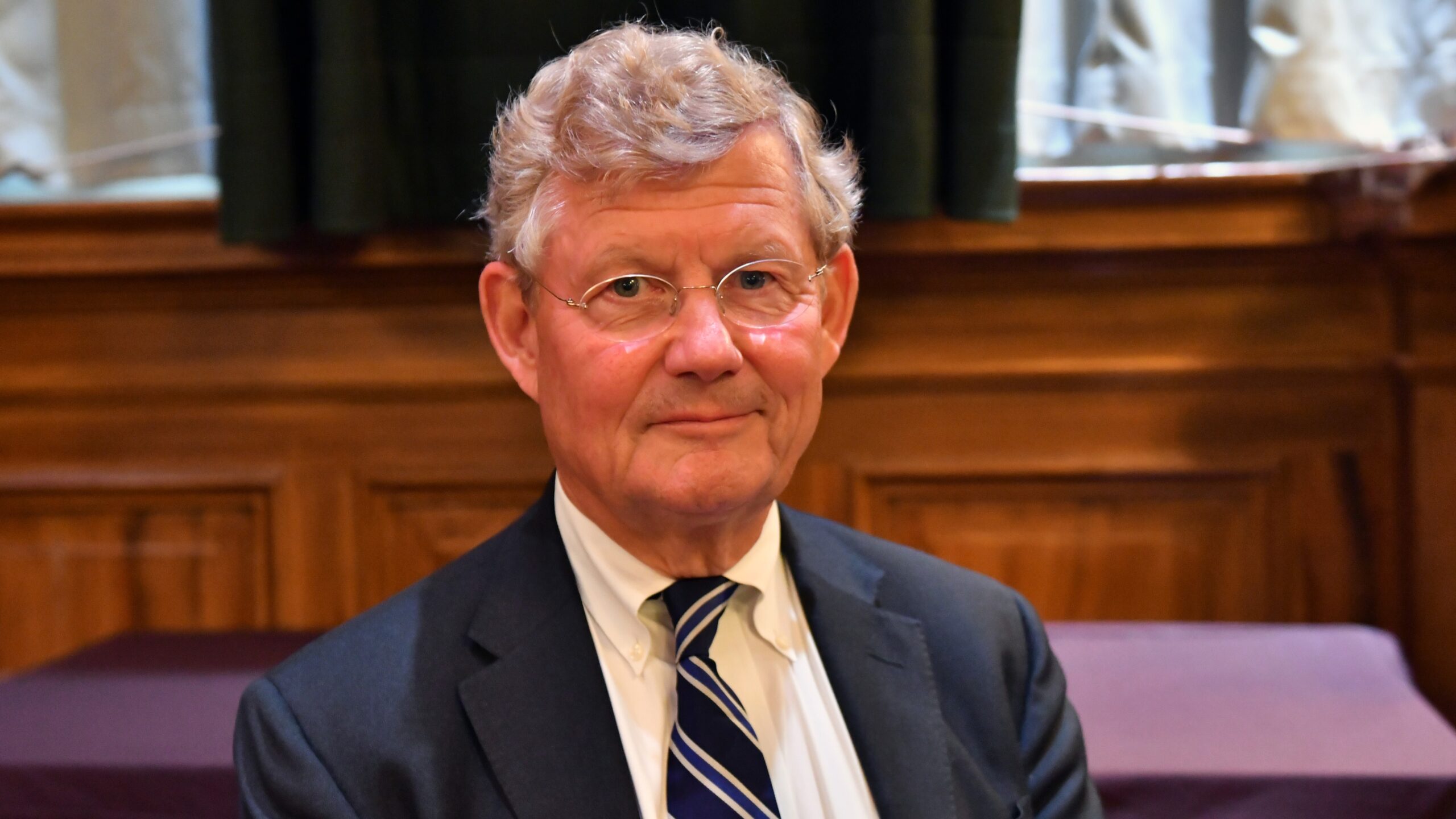
Swedish Investment Guru Says EU Has “Gone Too Far” in Its Climate Ambitions
The chairman of Investor sees Brussels’ green regulation regime as risking the economic future of the entire continent.

The chairman of Investor sees Brussels’ green regulation regime as risking the economic future of the entire continent.
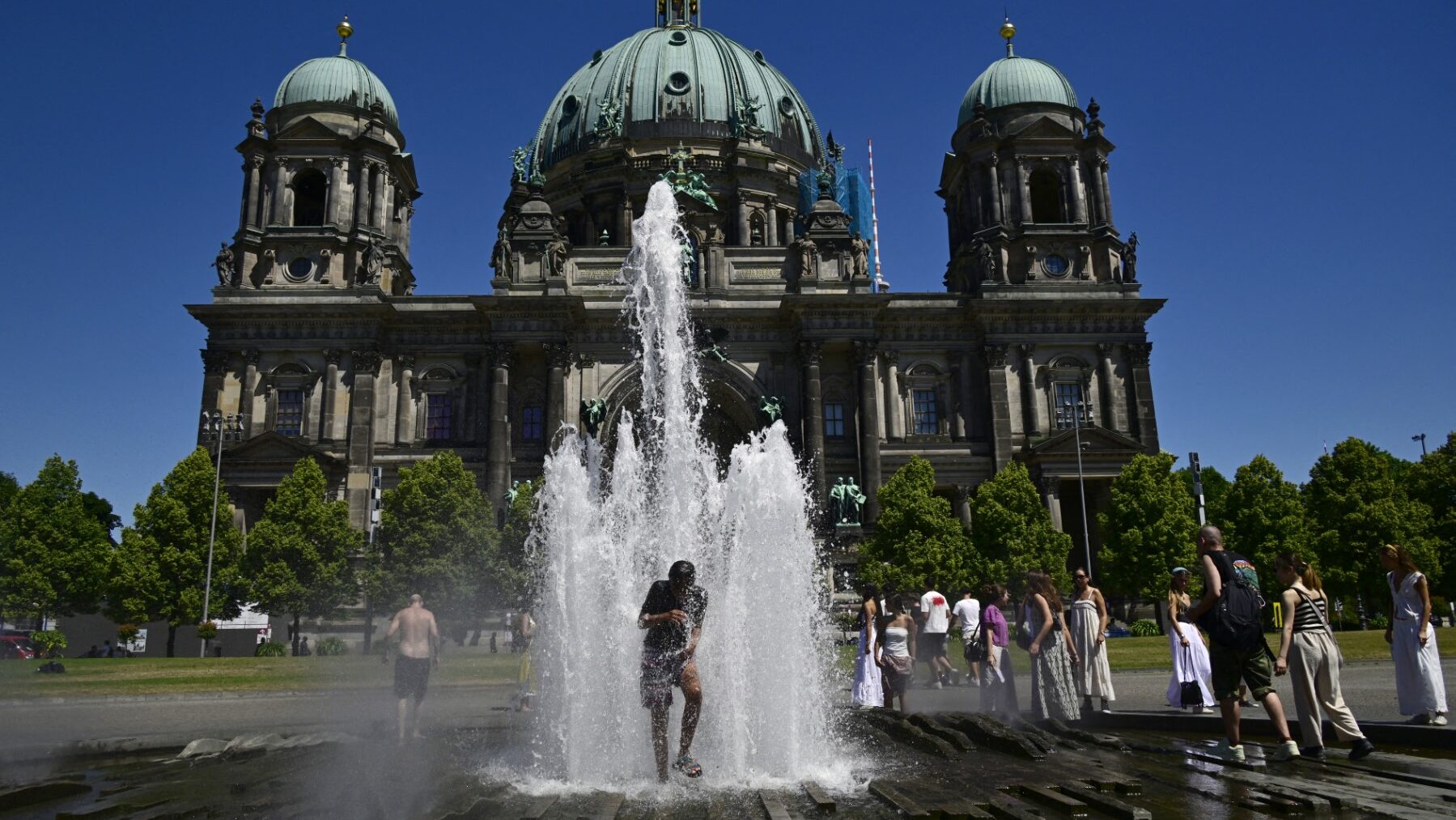
The heat wave exposed more than rising temperatures—it revealed decades of neglected infrastructure, political drift, and a government that struggles to perform its most basic functions.
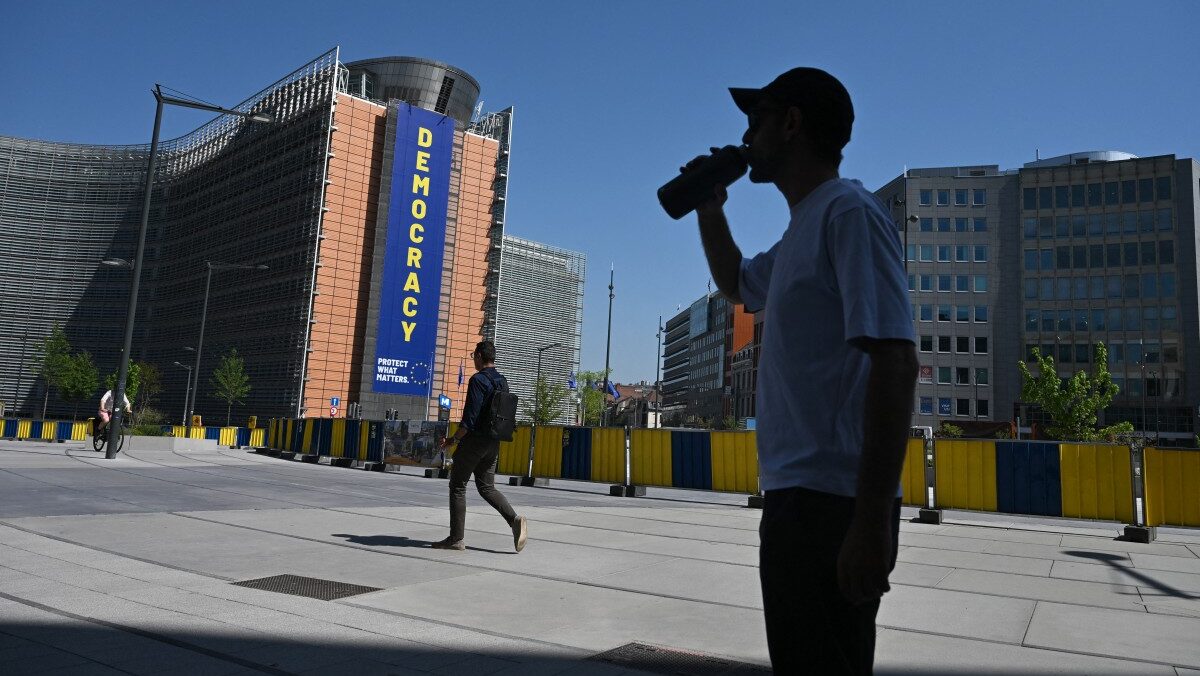
If not for the piles of regulation produced by the Berlaymont, air conditioning would likely be far easier and cheaper to obtain by hundreds of millions of Europeans.
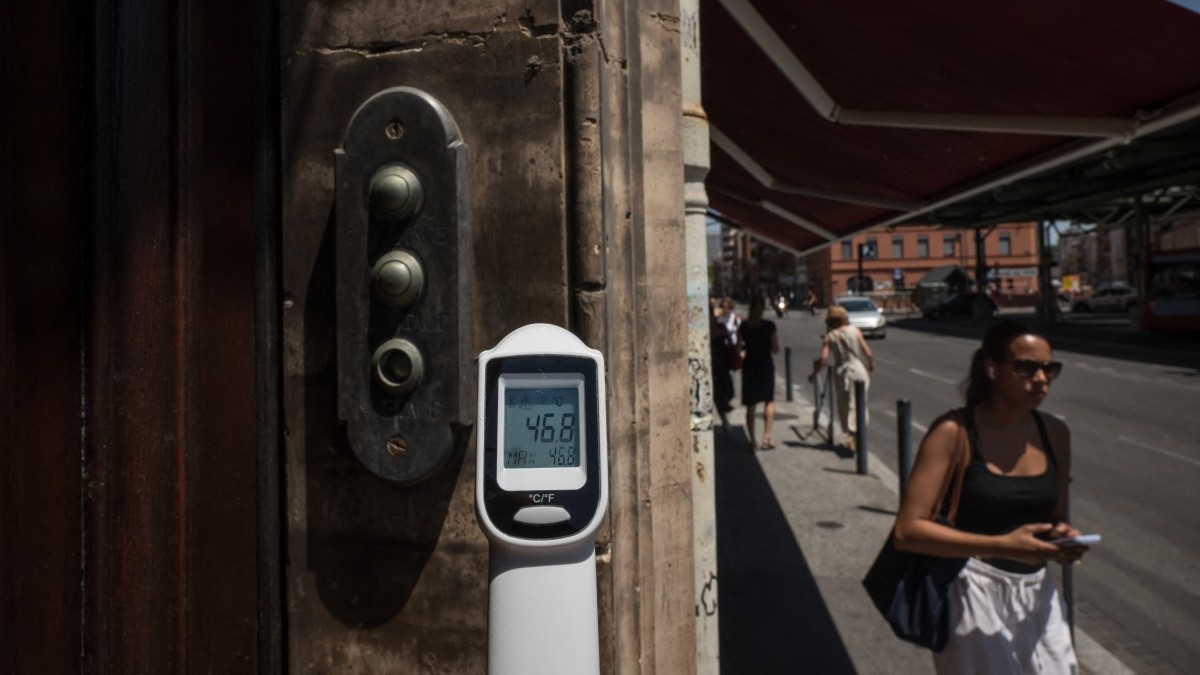
A year ago, the environmentalist Left protested against air conditioning in schools and hospitals—now they are calling for installing them immediately.
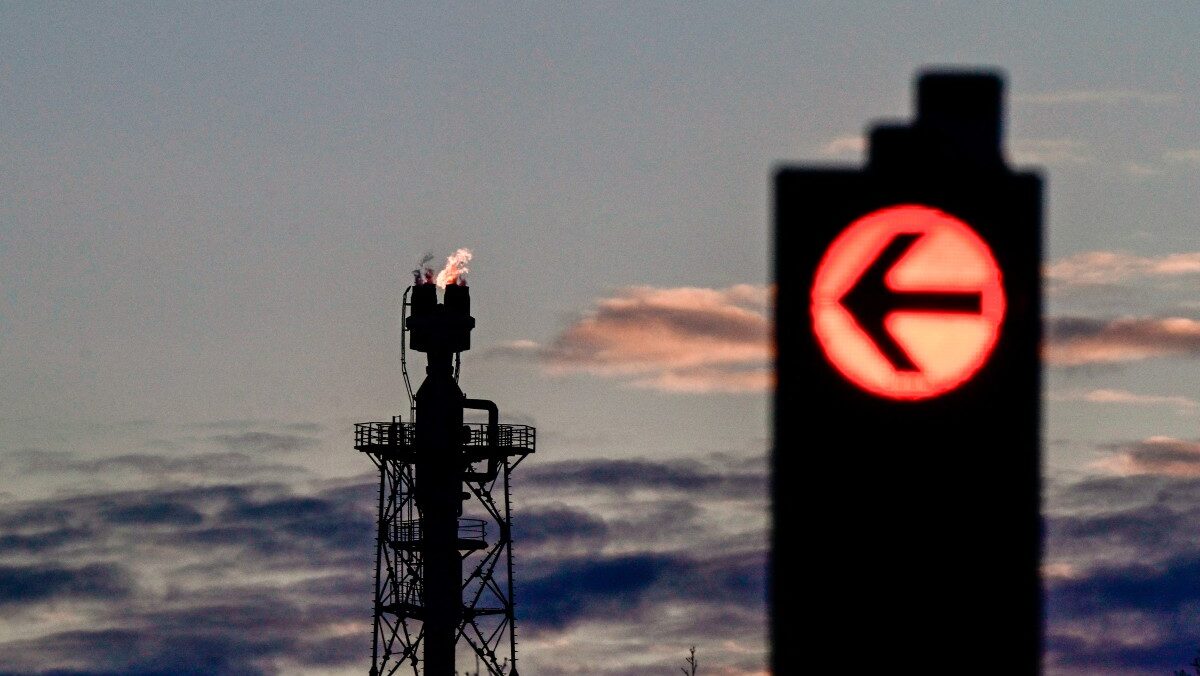
Ministers talk of fairness, but the new deal keeps pressure on households as gas and oil heating face rising long-term costs.

AfD’s Alice Weidel said the proposal is less about easing pressure on the healthcare system and more about funding broader government spending priorities like climate, migration and Ukraine support.
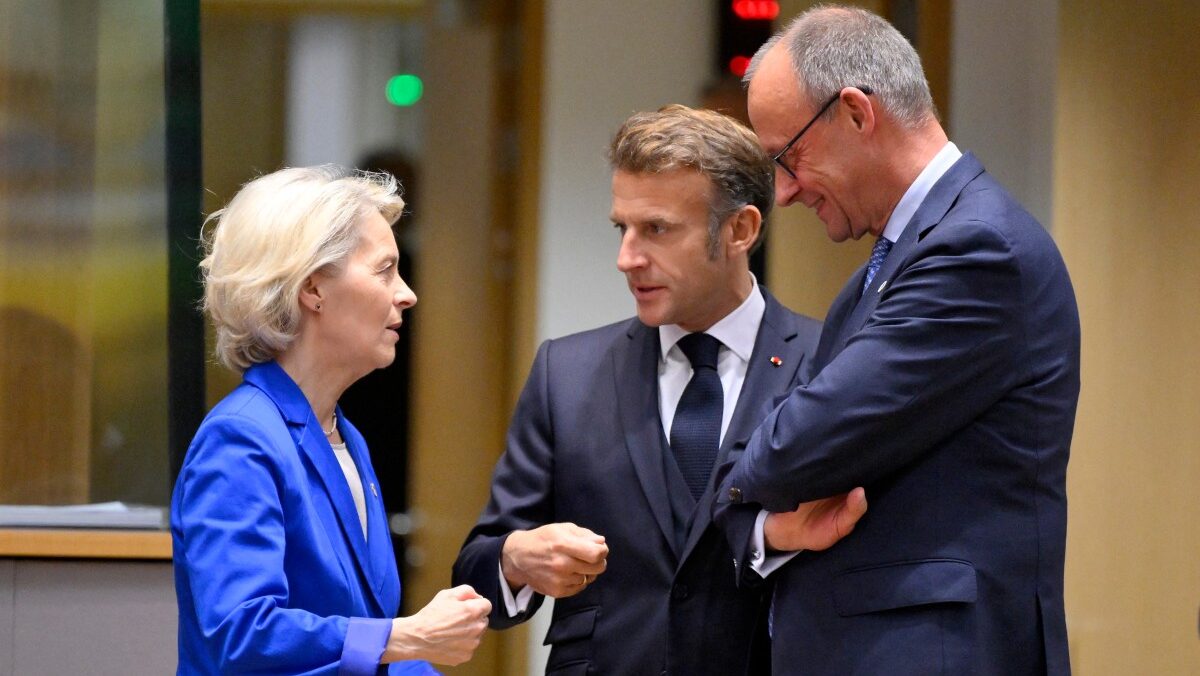
No system limits political power more effectively than the free market. Policymakers in Brussels, Berlin, Paris, and London know this—which is why its defenders are systematically ridiculed.
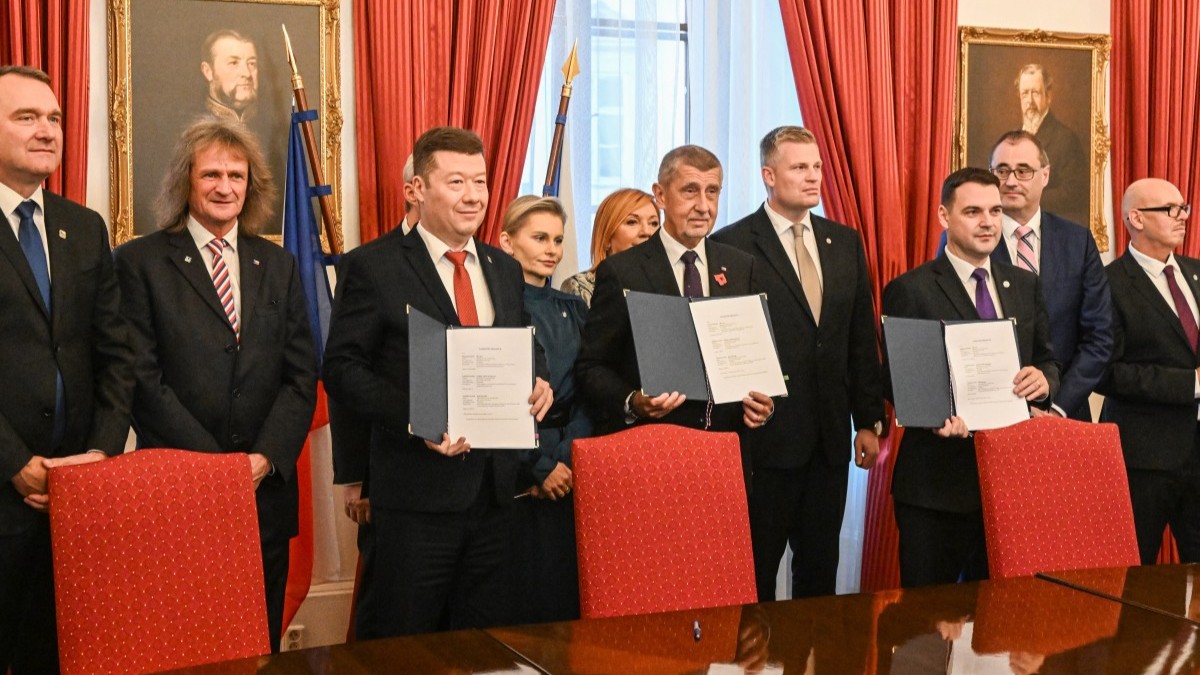
The three parties believe the EU’s Green Deal is “unsustainable” and must be reined in.
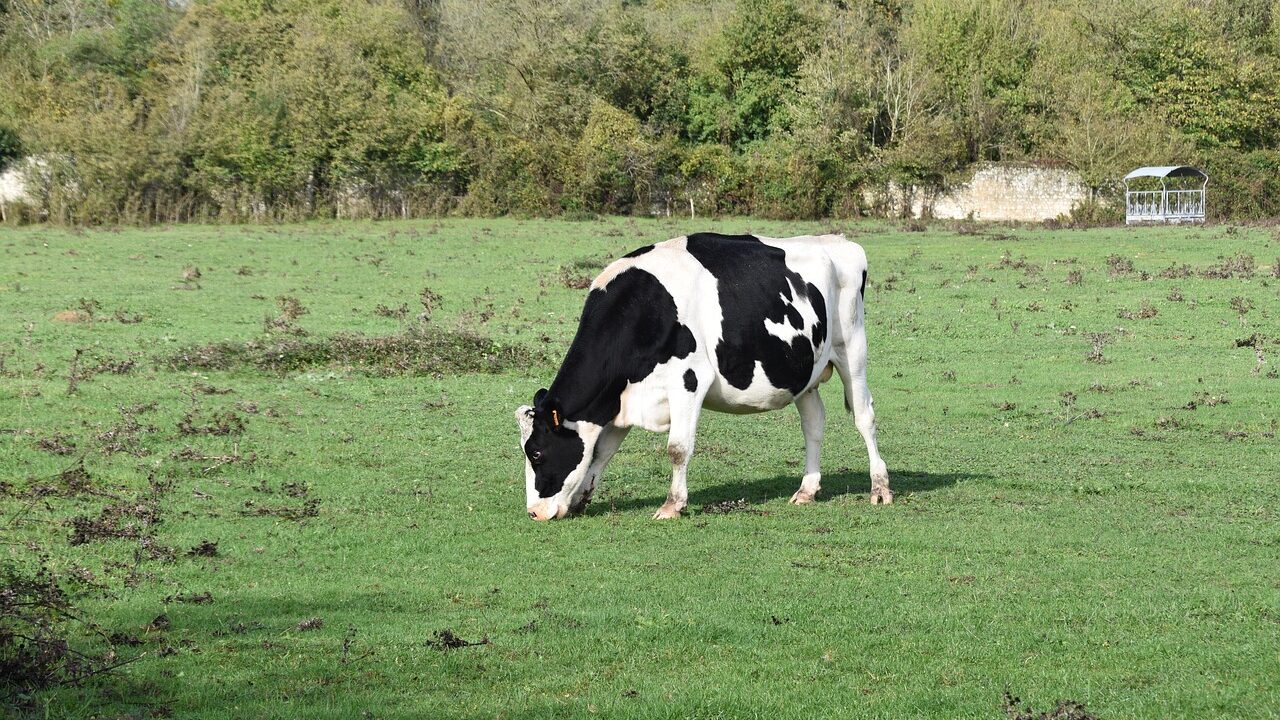
A mandatory “green” additive meant to curb emissions is being blamed for livestock deaths.
Green idealism has turned into industrial suicide: Europe pays the price while Tesla and China reap the gains.