The European Commission has withdrawn a €2 million grant from the Venice Biennale after Russia returned to the prestigious Italian art exhibition this year for the first time since its invasion of Ukraine.
The funding was formally canceled on July 21 by the European Education and Culture Executive Agency following a legal review and a recommendation from the Commission, the European Union’s executive branch.
EU officials argued that cultural events receiving European taxpayer money must uphold “democratic values, dialogue, diversity and freedom of expression”—principles Brussels says are being violated in Russia. There was little apparent concern about whether withdrawing funding over an artistic decision might undermine those same values.
The dispute began on March 10, when the Commission condemned the Biennale’s decision to reopen the Russian pavilion at the 61st International Art Exhibition. Officials warned that the grant could be suspended or canceled if organizers refused to reverse course.
Formal proceedings began on April 23. The Biennale was given 30 days to defend its decision, but Brussels found its initial explanation inadequate and requested further clarification in June.
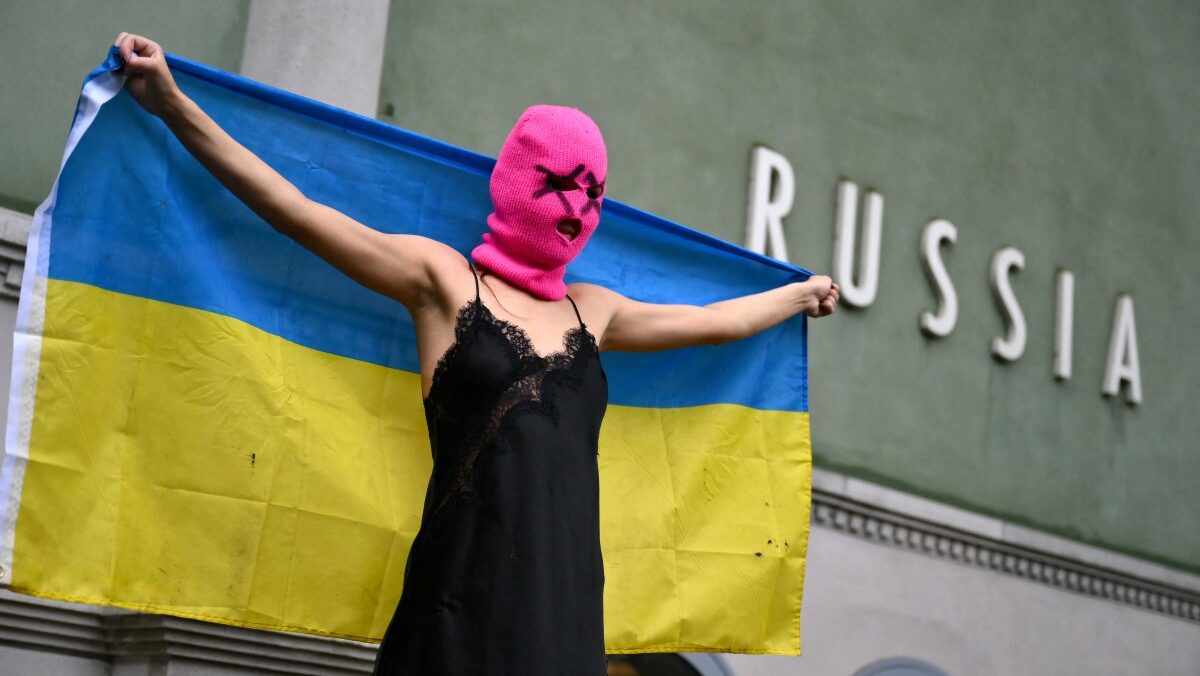
The pressure failed to change the organizers’ position. Russia’s pavilion, titled The Tree Is Rooted in the Sky, opened during press previews in early May. During the rest of the exhibition, visitors were barred from entering the building and could only watch projections from outside.
On July 11, the Commission recommended terminating the grant. The executive agency formally approved the decision ten days later. The funding agreement covered the period from 2025 to 2028, but no money had yet been paid.
The Biennale said it would challenge the decision. It argued that the €2 million was intended for film programs, including Biennale College and Venice Production Bridge, and had no direct connection to Russia’s participation in the art exhibition. Organizers also said losing the grant would not significantly affect the institution’s budget or planned events.
Biennale president Pietrangelo Buttafuoco has said that any country formally recognized by Italy should be allowed to participate and that the exhibition must not become an instrument of censorship.
Brussels insists that it has not banned the Russian pavilion and has merely withdrawn public funding. That distinction is technically correct, but using financial pressure to punish an institution over whom it allows to exhibit could still discourage similar decisions in the future.