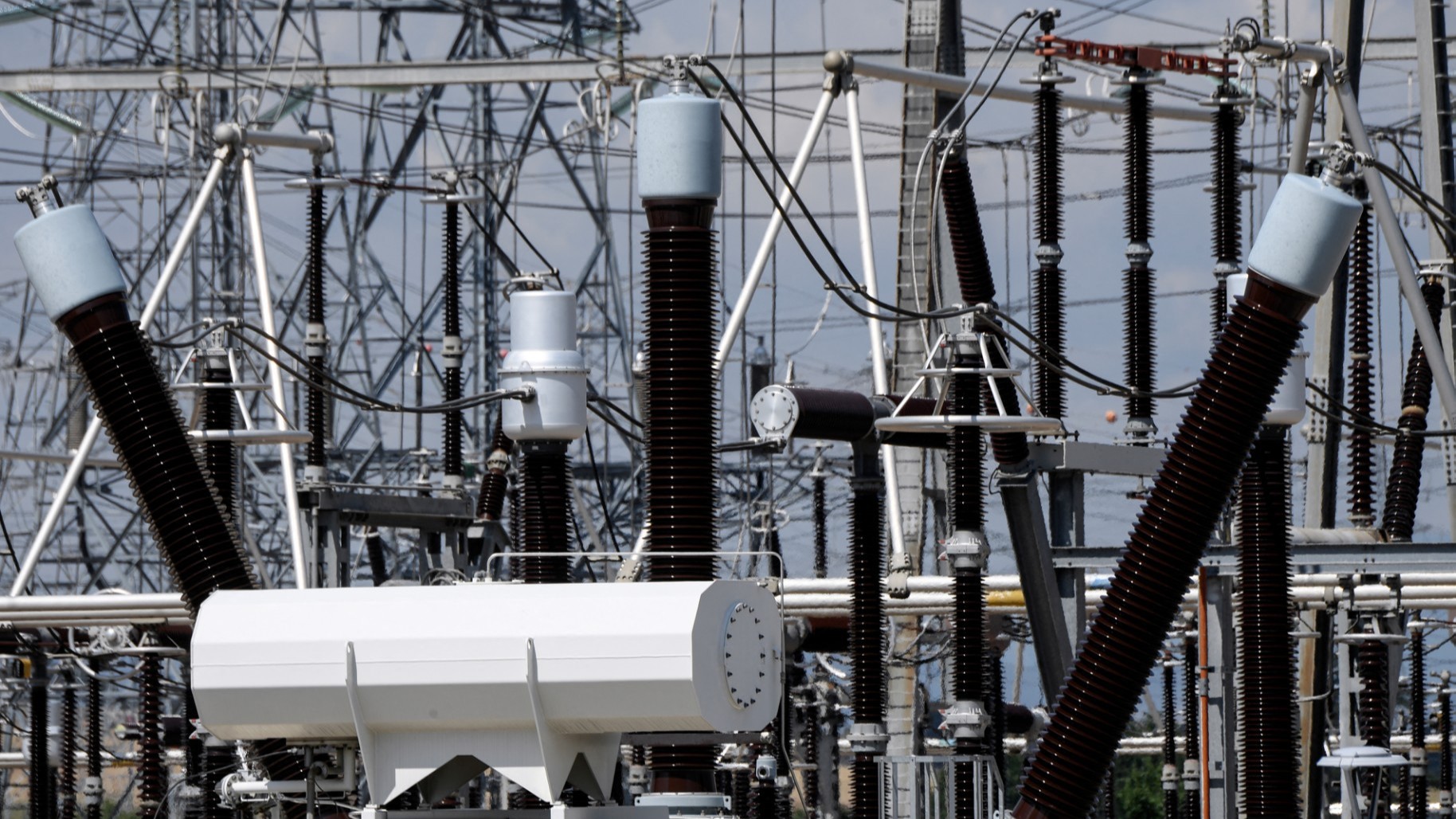
A power substation of electricity distribution company Red Eléctrica in San Sebastián de los Reyes, close to Madrid, on September 3, 2021.
Photo: Oscar del Pozo / AFP
The European Commission has announced it will investigate the massive blackout that paralyzed Spain on April 28th, following a formal complaint filed by Hazte Oír, a Spanish right-wing NGO.
The civil organisation not only alleged that the power cut may have been intentional but also submitted key technical documentation that is now under review by the Directorate-General for Energy in Brussels, according to the official response received by the organization.
Hazte Oír’s complaint argues that the blackout resulted from a failed ideological energy model lacking technical safeguards: a transition built almost exclusively on renewables, with no storage systems or emergency response capacity. The organization is calling for an immediate audit of Spain’s electric grid, the suspension of the planned nuclear plant shutdowns, and fully disclosing all technical reports to the Commission.
The announced investigation marks a long overdue step toward establishing political accountability for an event that resulted in millions of euros in economic damage, critical infrastructure disruption, and several deaths. The government of Pedro Sánchez had attempted to delay any investigation for at least six months. Still, growing public pressure and the strength of the evidence submitted have forced European authorities to take action.
Red Eléctrica, Spain’s grid operator, denies any responsibility and has yet to explain what happened. Political authorities seem equally uninterested in clarifying the incident, choosing instead to blame private nuclear plant operators, despite the reality that nuclear energy offers stable, uninterrupted input to the grid.
Although Hazte Oír’s complaint preceded it. The Telegraph also argued in favour of the most alarming hypothesis: that the blackout was a “deliberate experiment” by the Spanish government to test the resilience of the energy system under stress. The European Commission, uncharacteristically, has responded decisively, but when we’ll see concrete results remains to be seen.