Stephanie Albert from Pixabay
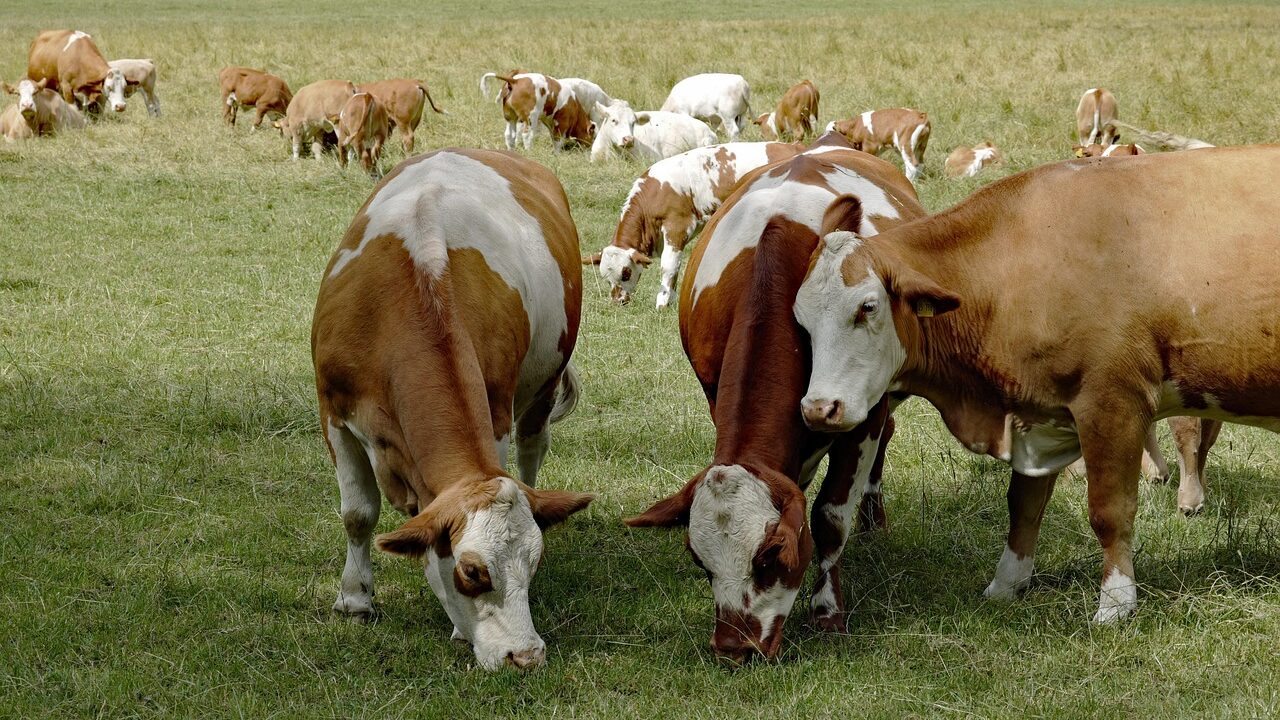
Is limiting cow flatulence going to be the solution to Germany’s climate challenges? It looks like it will at least be part of it, according to SPD environment minister Carsten Schneider’s new draft for the “Climate Protection Program 2030,” seen by German Bild. Among the most debated proposals is a “methane measurement program” for cows, designed to analyze the gases emitted by cattle.
The program is part of a wider initiative to reduce emissions by at least 65% by 2030 compared to 1990 levels. By 2045, the government aims for complete ‘climate neutrality.’
Agriculture is a major focus, with plans to not only measure cattle flatulence but also selectively breed cows that produce less gas. In addition, the draft includes reforms in transportation. By 2035, the new registration of combustion engine vehicles would be outlawed—despite the EU’s softening of that requirement in response to requests from Germany. By 2040, electric vehicles (EVs) would be expected to make up around 70% of Germany’s total car fleet. The government plans to subsidize EVs with up to €6,000, depending on income and family size, while gasoline prices will rise because of CO2-related climate taxes.
The plan also outlines upgrades to infrastructure, intended to encourage biking, walking, and train transport, as well as new building regulations.
The 331-page program explains that more than €10 billion a year will come from the special Infrastructure and Climate Neutrality Fund, set up in 2025 with €500 billion in borrowing authorization. Since that won’t cover all of the costs, the government is also looking at developing further “innovative financing approaches (guarantees, sureties, equity investments)” by autumn 2026.
In 2025 alone, Germany spent €59.5 billion on climate protection measures, although the country is struggling with a huge gap in its federal budget and an economy under pressure.