Photo: Olia Danilevich on Pexels
France and Spain are leading an initiative to ban minors under the age of 15 from accessing social media throughout the European Union. The objective is to compel platforms such as Instagram, TikTok, or X to implement stricter age verification systems under threat of penalties. The French Minister for Digital Affairs, Clara Chappaz, stated that
social media before the age of 15 is a no,
and mentioned that she is working in a coalition with Greece and Ireland to convince the European Commission to adopt a common regulation.
France already passed a law in 2023 requiring digital platforms to verify the age of their users and to obtain parental consent for those under 15. In Spain, the government introduced a bill in March 2025 to raise the minimum age for social media access to 16.
These initiatives are justified as protective measures against the psychosocial risks of the digital environment. However, such regulations may limit young people’s early access to alternative sources of information and spaces for political debate, particularly at a time when many young people are moving away from the dominant progressive consensus.
In parallel with the promotion of these restrictive measures, there is a growing trend of young voters turning to conservative or identitarian parties in several EU member states. In Spain, according to the 40dB Barometer for El País, Vox leads among young people aged 18 to 24 with 20.7% support, ahead of the PSOE (18.2%) and the PP (13.9%). Among those under 25, Vox rises to 27.4%, while 34% remain undecided or declare abstention.
In Italy, Fratelli d’Italia received approximately 28% of the total vote in the 2024 European elections, with 25% to 30% support among those under 35, according to YouTrend for La Repubblica. The Democratic Party achieved a similar share among young voters, reflecting a high level of generational polarization.
In France, Marine Le Pen’s Rassemblement National (RN) was the most voted party in the 2024 European elections, with 32% of the vote. It garnered between 30% and 35% among those under 35, doubling its youth support compared to 2019. The Socialists and France Insoumise lagged far behind, with 13.5% and 9%, respectively.
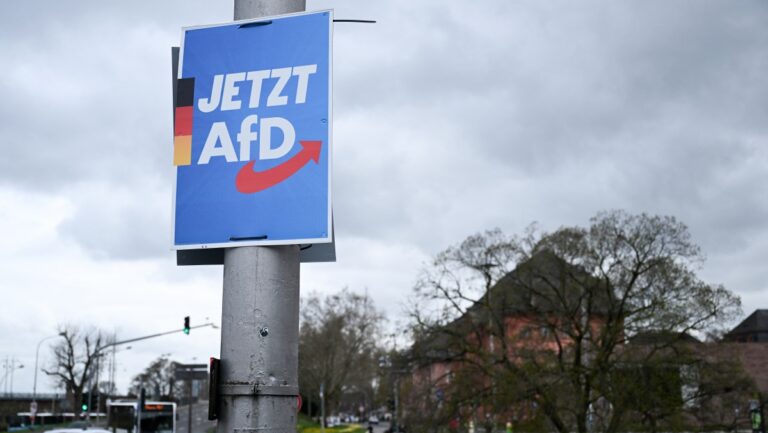
In Germany, according to Infratest Dimap for ARD (February 2025), the Alternative für Deutschland (AfD) party registered 15–20% voting intention among those under 30, compared to the 10.9% it obtained in 2019. The Social Democrats (SPD) and the Greens each hover around 15% in this group, while the CDU/CSU continues to lead overall with 30%.
The expansion of state control over minors’ internet access reopens the debate about the balance between child protection and respect for individual freedoms. While digital protection is a legitimate concern, these measures come at a time when social media has served as a platform where young people articulate critical viewpoints, seek out unofficial sources of information, and, in many cases, adopt ideological positions far removed from the traditional political and media establishment.