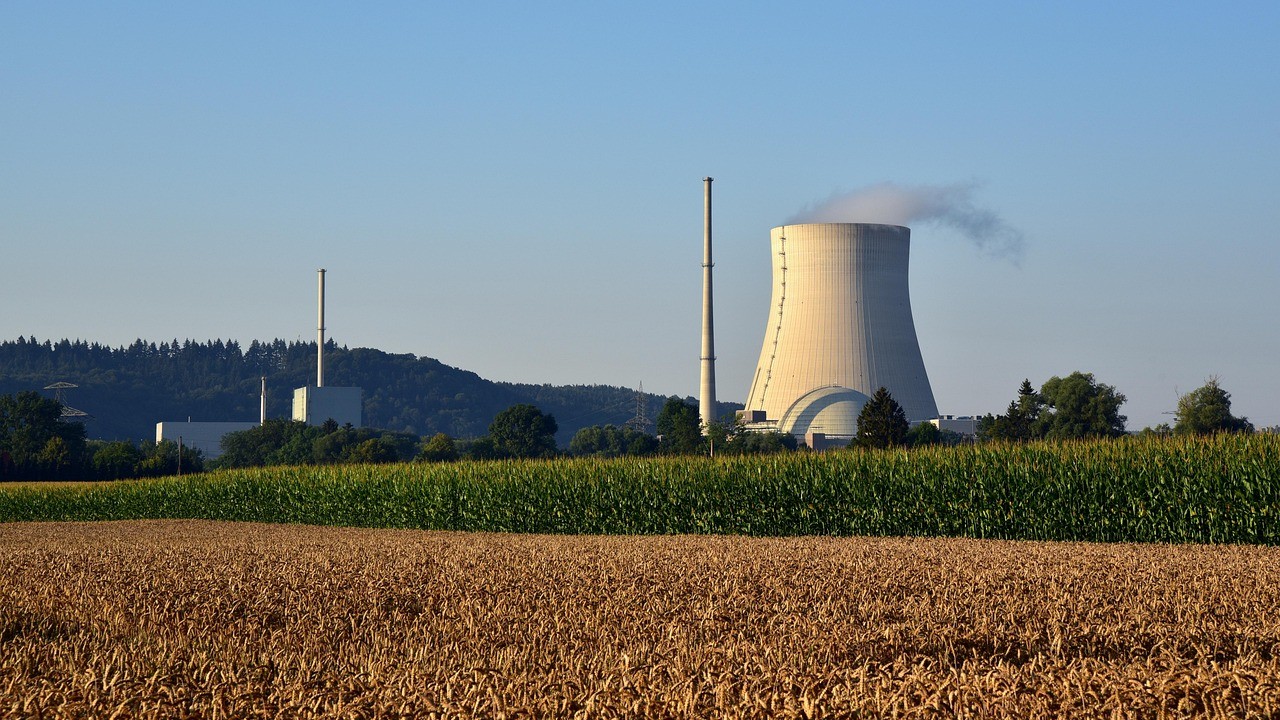
A nuclear power plant (illustration)
Pixabay
After a long series of delays amid environmental concerns, France has now decided to return to nuclear power, with the majority of MPs voting in favour of a bill on the future of energy that provides for an additional 27 gigawatts of capacity on top of the existing 63 gigawatts by 2050.
The time of mistrust of nuclear power, also by Emmanuel Macron who decided to close the Fessenheim nuclear power plant during his first presidential term, as planned by his predecessor, the socialist François Hollande, is well and truly over.
The resistance to nuclear power, combined with the effects of the war in Ukraine and soaring oil and gas prices, have placed France in a situation of energy dependence that was previously largely unknown, when the country opted for nuclear energy several decades ago, the ability to sell its surplus electricity abroad.
Alarming reports on the deterioration of the French energy system have prompted leaders to react, albeit belatedly. Overcoming criticism of nuclear power from the greens Macron has expressed his desire to restore the French nuclear fleet to its former glory, after years of neglect that had left it in a state of critical disrepair.
After the closure of the Fessenheim power plant, the Flamanville nuclear power plant had become a symbol of the political class’s stop-and-go approach to the nuclear issue. The plant, built in the 1980s, was to be equipped with a third-generation reactor in the late 1990s, destined to become the most powerful in France. However, political opposition continued to grow, delaying its commissioning. The reactor finally started up in 2024.
On Wednesday, June 18th, French MPs voted in favour of the first article of a law providing for a massive revival of nuclear power based on three pillars: “maintaining the existing fleet, building 14 EPRs (European Pressurised Reactors) and deciding on a fourth-generation reactor,” as explained by Renaissance MP Antoine Armand, rapporteur for the bill.
France currently has an installed nuclear power generation capacity of 63 gigawatts. The new law plans to increase this capacity by an additional 27 gigawatts “by 2050.” To achieve this, the construction of six second-generation reactors is scheduled to begin by 2026 at the latest, to be supplemented by eight new reactors by 2030.
The Left has protested against the colossal resources being poured into this “outdated” energy source and is calling for the funds thus mobilized to be reallocated to renewable energy—failing to mention that the production targets set for nuclear energy can never be achieved with renewables alone. Nuclear energy is “the most carbon-free, the most controllable, the most sovereign and the most financially viable,” argued Les Républicains MP Jérôme Nury during the parliamentary debate. At European level, nuclear energy is now considered a green energy source.
The bill aims to enable France to achieve carbon neutrality by 2050. A formal vote is due to take place in a week’s time. A majority is emerging in support of the text, which brings together the Right, the centre and the Rassemblement National (RN). The RN is a long-standing supporter of French nuclear power as a guarantor of energy independence, and has thrown its weight behind the bill to ensure its passage. The National Assembly has also adopted an amendment specifically proposed by the RN to call for the reopening of the iconic Fessenheim power plant.
Grâce à la mobilisation du RN, l’Assemblée nationale a voté la réouverture de la centrale nucléaire de Fessenheim injustement fermée par E. Macron !
— Jean-Philippe Tanguy Ⓜ️ (@JphTanguy) June 18, 2025
Quelle journée ! pic.twitter.com/haEDjtsIdv
A decree needs to be issued in the summer, before the parliamentary recess, to speed up the start of the first investments.