Zelensky
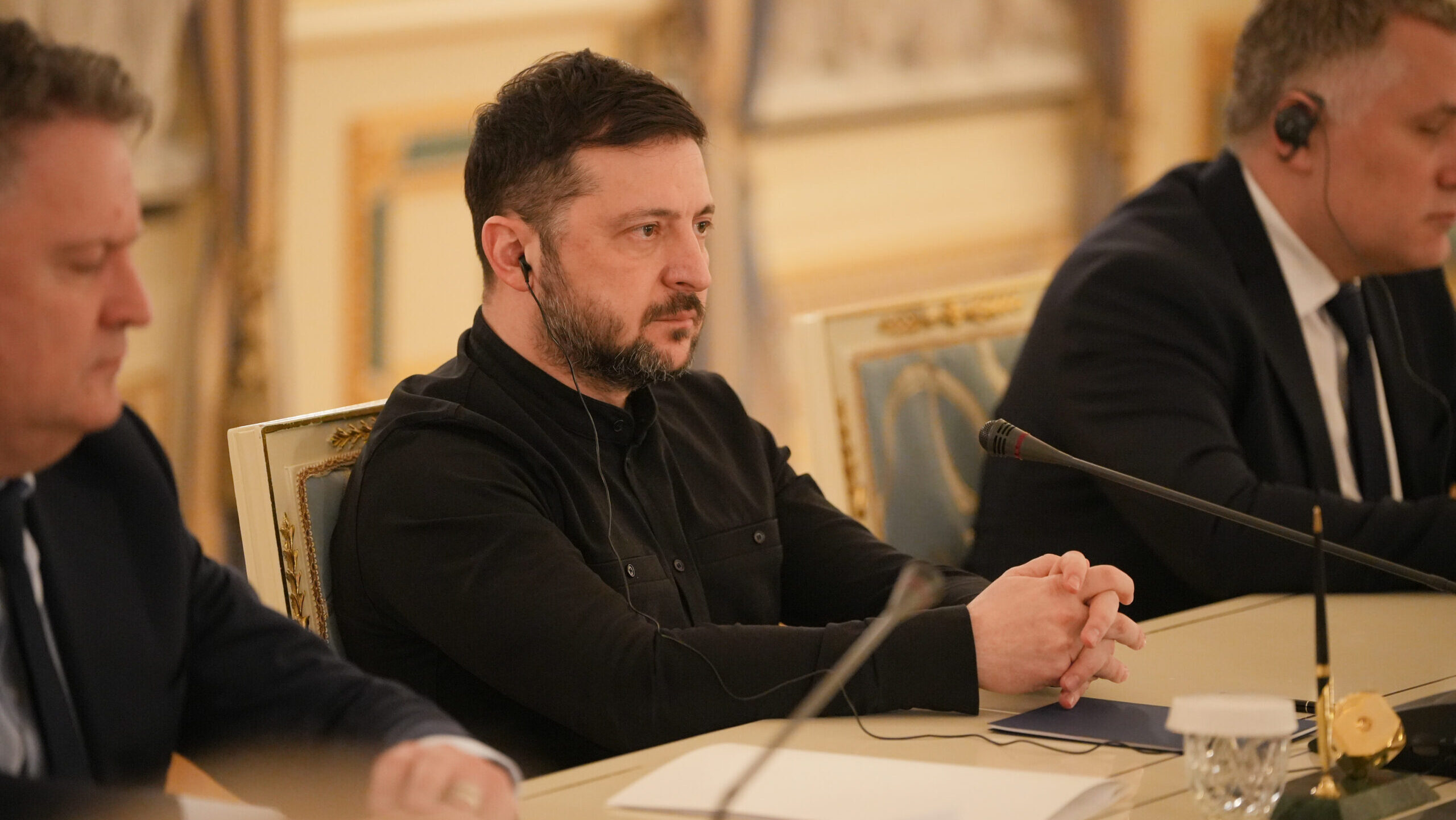
Saeima, CC BY-SA 4.0, via Wikimedia Commons
Ukrainian President Volodymyr Zelensky has sparked outrage in Hungary after appearing to threaten Prime Minister Viktor Orbán during a dispute over Russian oil transit and a €90 billion EU loan package for Kyiv.
Speaking after a government meeting on Thursday, March 5th, Zelensky said he hoped that “no one in the European Union” would block the proposed loan facility intended to support Ukraine.
If the package remained stalled, he suggested that the contact details of the person responsible could be given to Ukrainian soldiers so they could “call and speak to him in their own language.”
Hungary has been blocking the loan, arguing that Ukraine must first restore oil deliveries through the Soviet-era Druzhba oil pipeline, which carries Russian crude to Hungary and Slovakia. The line was reportedly damaged in attacks linked to the war in Ukraine, halting supplies.
Zelensky claimed Ukraine needed roughly a month and a half to make the pipeline technically operational again. However, he also indicated that he would personally prefer not to restart the line at all, but accepted that doing so might be necessary to unlock the EU funding.
The Ukrainian leader suggested that Hungary’s stance was driven partly by domestic politics ahead of parliamentary elections.
Budapest reacted angrily to the remarks, accusing the Ukrainian president of issuing unacceptable threats. Government spokesman Zoltán Kovács said Zelensky’s comments had “gone far beyond every acceptable limit”.
❗️These threats and blackmail from @ZelenskyyUa have gone far beyond every acceptable limit.
— Zoltan Kovacs (@zoltanspox) March 5, 2026
🛑When someone threatens to give a person’s address to Ukrainian soldiers simply because they do not support another €90 billion weapons package, that is not diplomacy, it is an open… pic.twitter.com/j3e2OhyN5W
“When someone threatens to give a person’s address to Ukrainian soldiers simply because they do not support another €90 billion weapons package, that is not diplomacy, it is an open threat,” Kovács wrote on social media, adding: “Hungary cannot be intimidated, and we will not yield to blackmail.”
Orbán’s political director, Balázs Orbán, also condemned the remarks, calling them “absolutely unacceptable” and insisting that Hungary would not be pressured into backing the loan. He said Hungarian families should not have to pay higher energy prices as a result of the conflict.
Budapest says the halt in Druzhba transit threatens Hungary’s energy security. In a speech on Thursday, Viktor Orbán himself vowed to “break the oil blockade” and compel Kyiv to reopen the pipeline.
There will be no deals, no compromise. We will break the Ukrainian oil blockade by force. Hungary’s energy will soon flow again through the Friendship pipeline. 🇭🇺 pic.twitter.com/FZc8CcK0Ei
— Orbán Viktor (@PM_ViktorOrban) March 5, 2026
Both Hungary and neighbouring Slovakia have said that satellite images showed the pipeline to be largely intact, contradicting Ukrainian claims of major damage caused by Russian attacks.
The standoff has complicated efforts within the EU to approve the €90 billion loan package, which requires unanimous backing from all member states.
While Brussels initially criticised Hungary for blocking the funds, recent comments from EU officials have shifted the focus toward protecting the energy security of member states.Some diplomats have privately suggested Kyiv may have weakened its own position by failing to provide clear evidence of the pipeline damage or allow independent inspections.