A placard on a tractor reads ‘Macron, you are Ursul’s b*ch’ during the protest against the EU-Mercosur agreement in Dijon, France on December 11, 2024.
Arnaud Finistre / AFP
Emmanuel Macron is once again on alert over the possibility of rural France erupting. The pressure from farmers, always present beneath the surface, has grown again as the final ratification of the free trade agreement between the European Union and the Mercosur bloc approaches. The Élysée’s fear is clear: a liberalisation of the market that allows for a massive influx of South American meat—particularly beef and poultry—could unleash a new wave of countryside protests. With the sovereigntist right on the rise, the president is not willing to offer fuel to his political opponents.
Even though France already managed to delay the agreement back in 2019, demanding environmental guarantees at the time, Paris’ opposition remains firm. Macron has now called for an “additional protocol” to shield European farmers. This is an old red line that the president is unwilling to cross for fear of triggering another agrarian insurrection. That resistance, in turn, complicates the internal balance within the EU bloc, as the approval of the deal requires the support of countries representing at least 65% of the EU population.
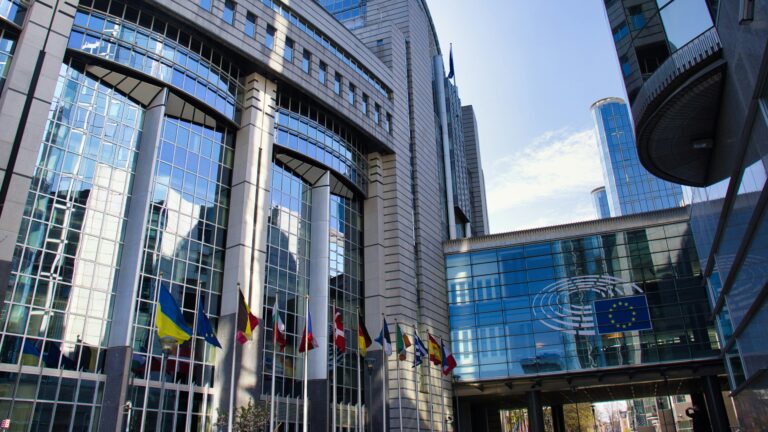
Brussels, for its part, is manoeuvring cautiously but steadily. The team of EU Commission President Ursula von der Leyen—who symbolically signed the deal with the South American countries last December in Uruguay—is now trying to bring France on board without reopening the text negotiated over more than two decades. The route under consideration is an “annex declaration”, which would hold no legal weight but carry political significance, reaffirming the agricultural safeguards already included in the agreement.
The Commission is also exploring the possibility of creating a European fund to compensate farmers who may be negatively impacted. This would be an accompanying measure that could help quell some of the resistance. However, no concrete figures or implementation mechanisms have been announced so far, which fuels scepticism in Paris.
The fear of domestic political fallout weighs heavier than any technical argument. French farmers have repeatedly shown their ability to paralyse the country. Macron already had to face weeks of roadblocks in 2023 and 2024, and he knows that another rural rebellion could severely undermine his leadership. Preventing tractors from once again descending on the Champs-Élysées has become a strategic priority.
Meanwhile, time is running out. The final legally reviewed text of the agreement is expected to be ready before July. But without a solution that allows France to save face and contain its farmers, the EU’s most ambitious trade pact in decades could collapse at the last moment—and with it, a key pillar of the Union’s global trade agenda.