Neckarwestheim 2, one of the three last German nuclear power plants that were shut down in April 2023.
Photo: Thomas Springer, Public domain, via Wikimedia Commons
What’s happening in Germany with the nuclear energy debate should come as no surprise. Friedrich Merz, CDU leader and now chancellor, is paying the price for his own political choices: instead of seeking common ground with the AfD on fundamental issues like energy and migration, he opted for a dysfunctional coalition with the Social Democrats and the Greens. The result is an ideological paralysis that suffocates any sensible energy policy before it can even be debated.
Economy Minister Katharina Reiche (CDU) tried to inject some pragmatism into the discussion by proposing that nuclear energy be classified as a sustainable technology under the EU’s green taxonomy. It was a modest yet necessary step to open investment channels and reconsider Germany’s nuclear exit—an exit that left the country with an unstable, overpriced energy system increasingly dependent on foreign imports, a reality made all the more evident after the NordStream sabotage.
The backlash came swiftly—and, as expected, from the Left. Environment Minister Carsten Schneider (SPD) dismissed Reiche’s initiative as merely a “personal opinion” and regurgitated the usual clichés from the dusty drawer of dogmatic environmentalism: nuclear is too expensive, too dangerous, and unnecessary thanks to renewables. He conveniently ignored recent blackouts and record-high electricity prices. As in so many other areas, the governing coalition prefers clinging to ideological narratives rather than facing hard facts.
While Germany ties itself in knots over ideological purity, other European countries are waking up. Belgium has just overturned its 2003 nuclear phase-out law and is preparing to build new reactors. In Denmark where nuclear energy has been banned since 1985—the Social Democratic government of Mette Frederiksen is now open to reconsidering its potential. Her reasoning is crystal clear: “It’s better to have nuclear power in Europe than to rely on Russian gas.”
Even France—the historic nuclear heavyweight—has welcomed the fact that Berlin is no longer blocking efforts to classify nuclear energy as a sustainable energy source at the EU level.
The key word here is “sustainable”—what nuclear energy truly is: low-emission, efficient, and capable of securing supply. Continuing to exclude it from climate policy frameworks is an insult to common sense, especially when CO2 has become the central scapegoat of the entire green agenda.
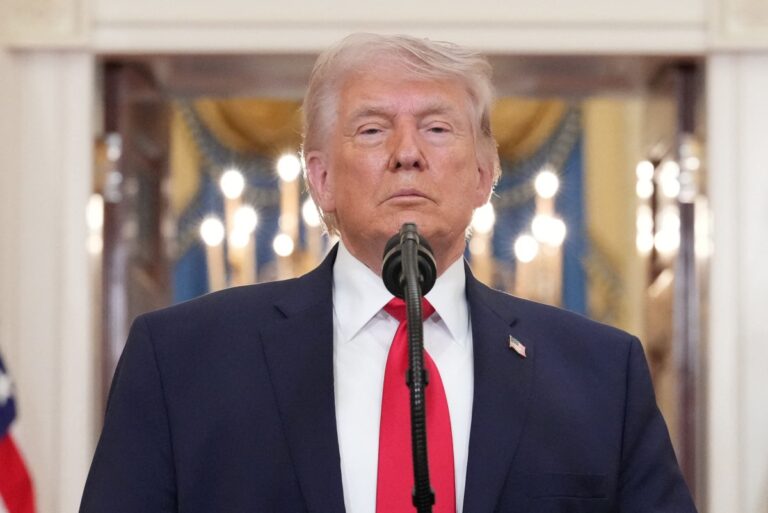
Meanwhile across the Atlantic, President Donald Trump has signed executive orders to quadruple nuclear energy production by 2050.
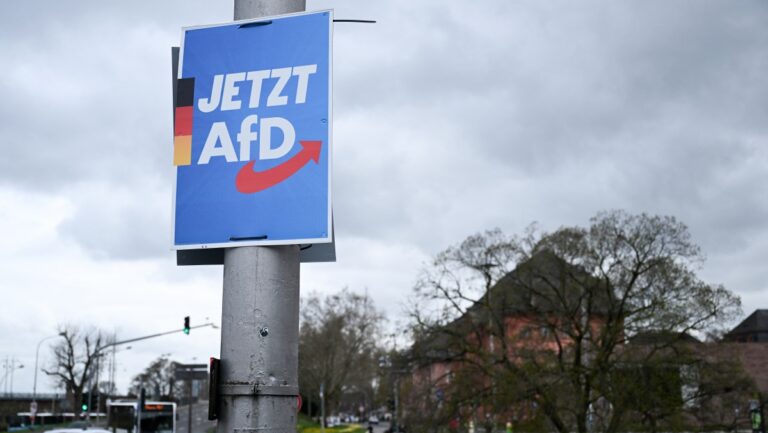
Merz is beginning to admit that phasing out nuclear power was a mistake. He has voiced support for investing in new technologies like small modular reactors and nuclear fusion. But his statements sound more like damage control than genuine leadership. During the electoral campaign, Merz fully embraced the ‘green transition,’ forgetting that it was precisely the radicalism on energy and migration that pushed millions of voters toward the AfD.
As Hungarian Prime Minister Orbán’s adviser Balázs Orbán pointed out, Germany has spent years dragging the rest of Europe along with its ideological approach to energy and migration, ignoring reasoned arguments and warnings from other nations. Now, as the consequences become undeniable—skyrocketing bills, blackouts, loss of competitiveness—Berlin wants to change course … but without breaking with those who are blocking the way.
Is that even possible?