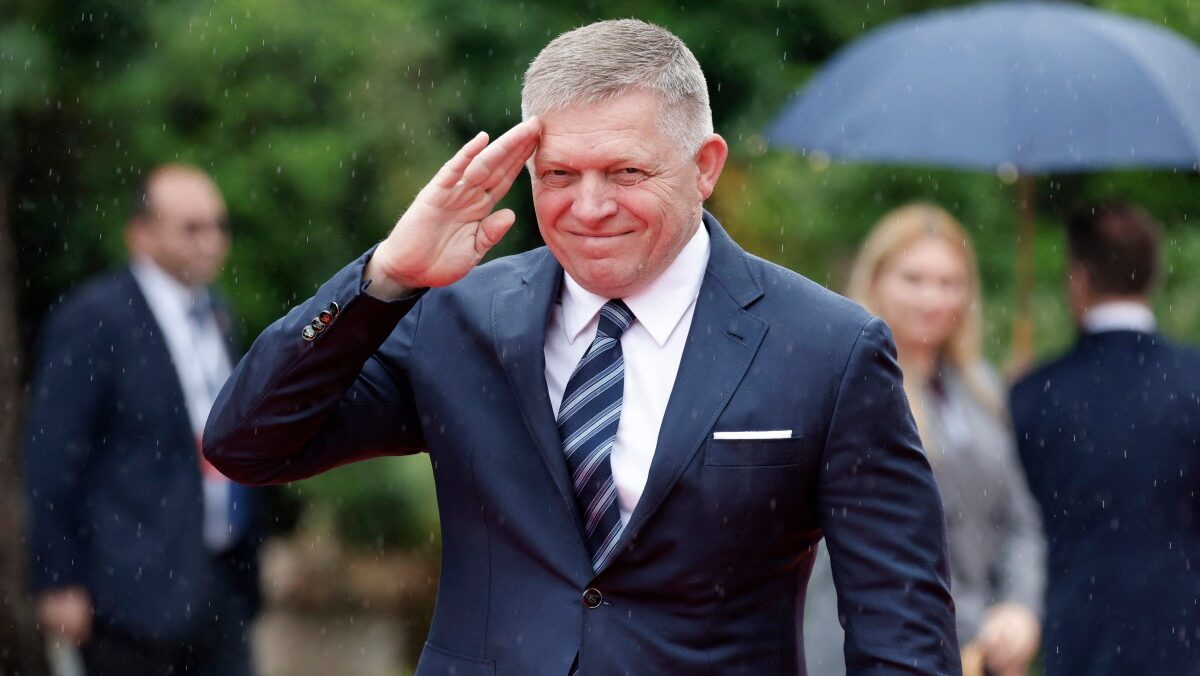
Slovakia’s Prime Minister Robert Fico
Ludovic Marin / AFP
Slovakia has taken a decisive step to defend its cultural traditions and national sovereignty, as parliament approved a landmark constitutional amendment on Friday, September 26th, that enshrines the recognition of only two sexes—male and female—and places Slovak law above European Union legislation in matters of national identity.
The amendment, passed with 90 votes in favour in the 150-seat parliament, underscores the country’s right to determine its own course on ethical and social issues.
Despite most of the liberal opposition boycotting the vote, the measure secured the necessary three-fifths majority with support from coalition MPs and several conservative members of the opposition, including the Christian Democratic Movement (KDH).
Sovereignist-Eurosceptic Prime Minister Robert Fico hailed the reform as a “historic opportunity to change the constitution” and to create a “constitutional barrier against progressive politics.”
He has long argued that Slovakia must resist the imposition of radical ideologies from Brussels. “For me, one plus one equals two. A man and a woman—full stop,” Fico told reporters at a press conference on Thursday.
The amendment clearly defines sex as determined at birth, and restricts adoption to married couples. It also bans surrogacy and affirms a child’s right to know his or her biological parents.
Furthermore, it strengthens parental rights in education, giving families a greater say over what their children are taught, particularly in sensitive areas of sexuality and ethics.
Supporters see the reform as essential to protecting Slovakia’s cultural and spiritual heritage. The government emphasised in its justification that “defending traditional values is key to safeguarding Slovakia’s cultural legacy and guaranteeing legal certainty”. The text explicitly reaffirms the country’s sovereignty in questions of life, family, language, and dignity.
Unsurprisingly, the move has drawn criticism from liberal activists and international organisations.
Amnesty International condemned the vote as “devastating news.” accusing lawmakers of targeting “LGBTI+” and reproductive rights.
The Venice Commission, a Council of Europe advisory body, expressed concerns about the broad definition of “national identity,” though it conceded the amendment’s commitment to equal pay was positive.
Liberal-Europhile opposition leader Michal Šimečka branded the reform “shameful,” warning it would “hurt the people of Slovakia and call into question Slovakia’s place in the EU.”
The new provisions will come into force on November 1. For Fico, who has frequently clashed with Brussels since his return to power in 2023, the vote marks a major victory in his campaign to defend national sovereignty. “This is the value orientation of the Slovak Republic. We stand by it and we have done everything to enshrine it,” he said.
At a time when Western European countries embrace radical gender self-identification laws, Slovakia has sided with common sense, tradition, and respect for family life. Conservative reforms enacted in Hungary, Bulgaria, and Georgia also aim to shield children and families from aggressive gender and LGBT ideologies.