Hungary Rejects EU Court Ruling on Child Protection Law
Budapest says it will not comply with a European court judgment on its child protection legislation, citing sovereignty and constitutional concerns.

Budapest says it will not comply with a European court judgment on its child protection legislation, citing sovereignty and constitutional concerns.

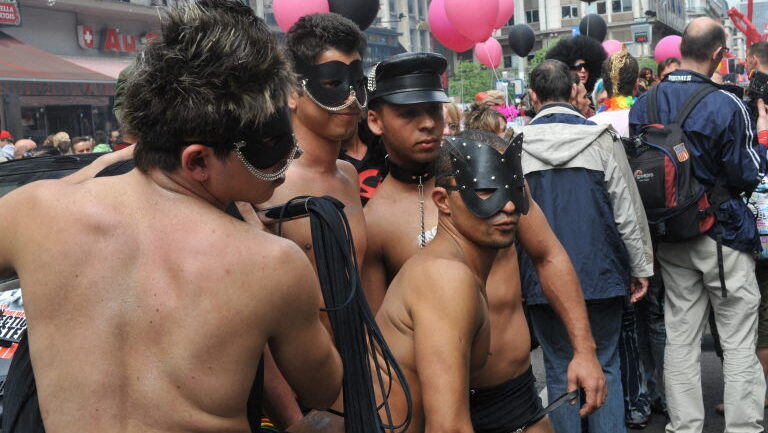
Hungary has been ordered to amend its child protection law after the EU’s top court sided with the European Commission.

Those who most need Orbán’s policies are no longer in Hungary but across a Europe that von der Leyen’s policies have helped turn into increasingly soulless nations.

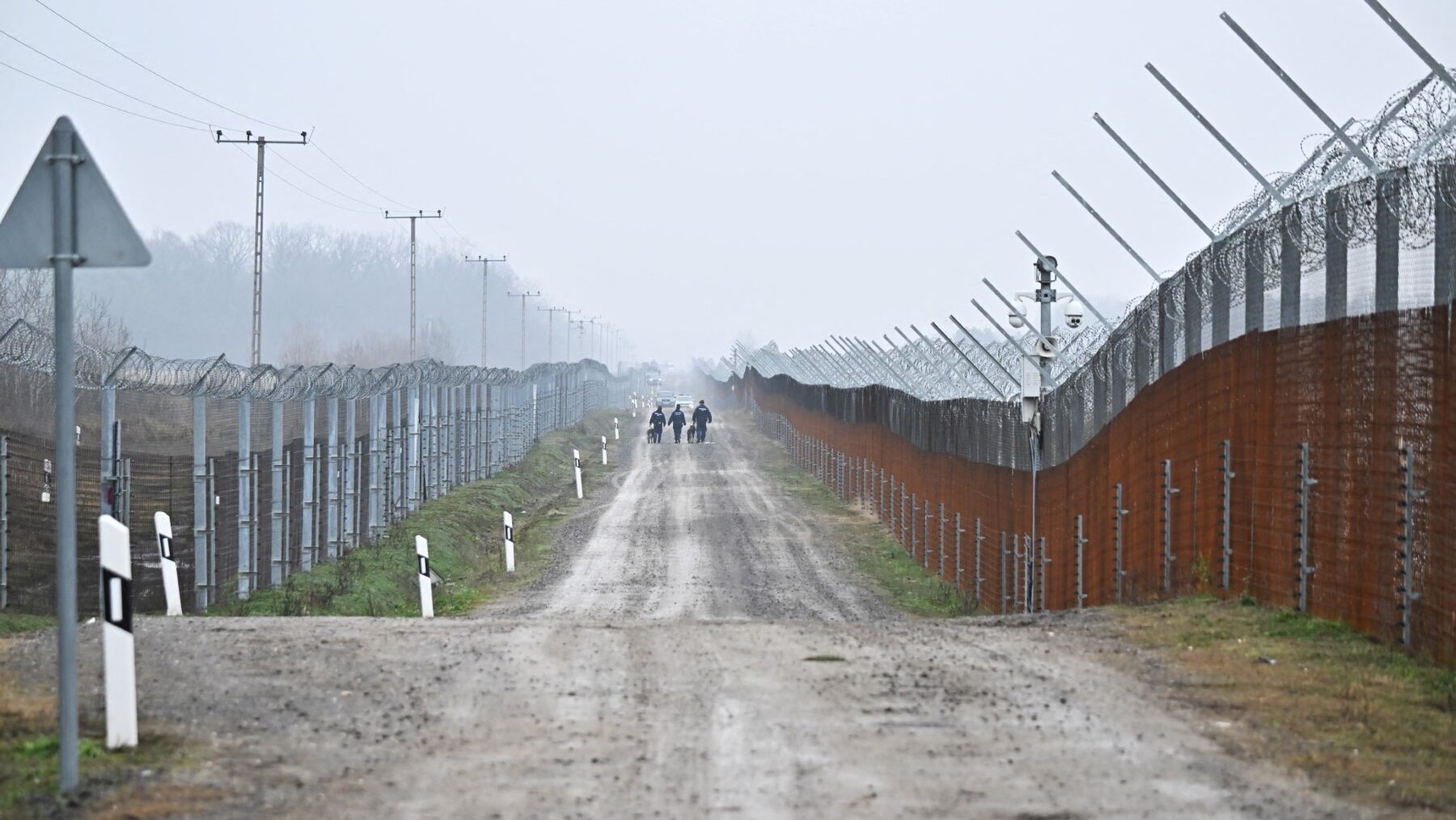
The question is no longer whether migration should be embraced or rejected in the abstract. The question is which forms of migration a state considers legitimate, under what conditions, and for what purpose.

On April 12, Hungarians will be called to choose between adherence to the national interest in governance and the same sort of Brusselian occupation that has led so many other European nations to decay.

This is no longer just about one country. It is about whether the European Union can tolerate a nation that insists on putting itself first. And whether citizens are still allowed to choose that path.

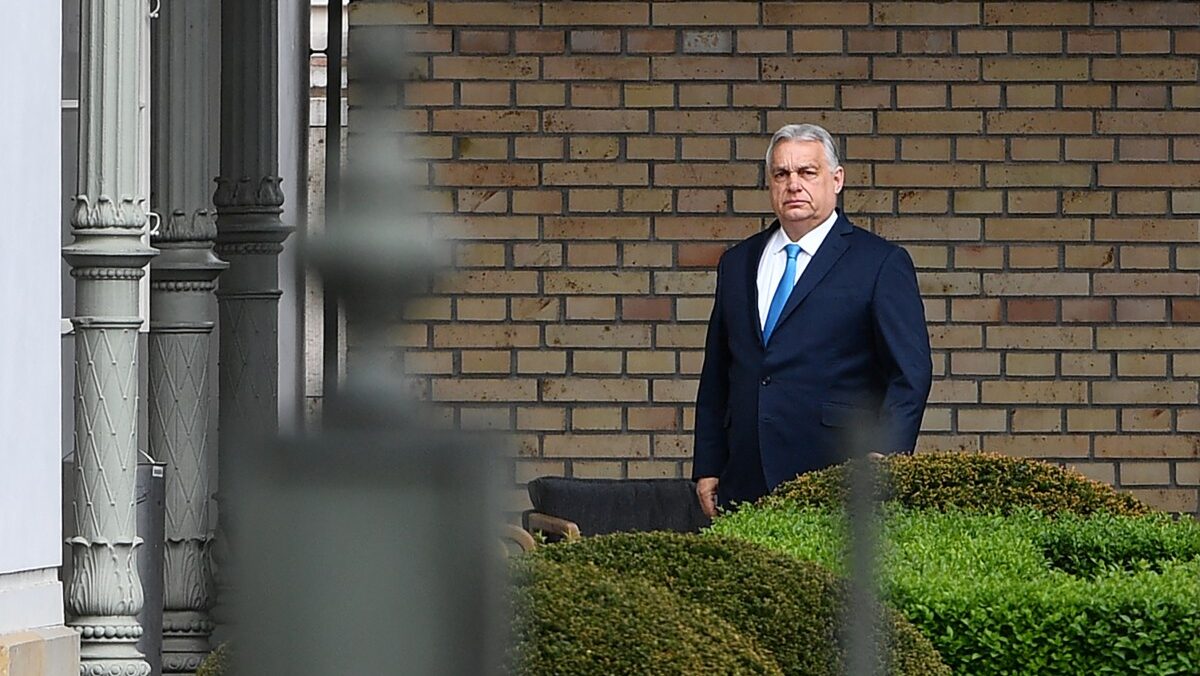
Viktor Orbán’s influence extends far beyond the borders of Hungary: for the international sovereigntist camp, he is proof that patriotic politics is viable not only as a form of protest but as a form of government.

The European Commission’s well-intended initiative to make life easier for entrepreneurs comes with some surprising weaknesses.

When political outcomes are shaped by external expectations, the decisions that follow rarely prioritize the national interest.

In his commemorative speech marking the 1848 revolution, Viktor Orbán described the upcoming election as a struggle for sovereignty and “against external influence.”