The UK has joined a broad coalition of European and international partners in backing a new political agreement aimed at making it easier for states to remove illegal migrants and limit legal barriers that have repeatedly blocked deportations across the continent.
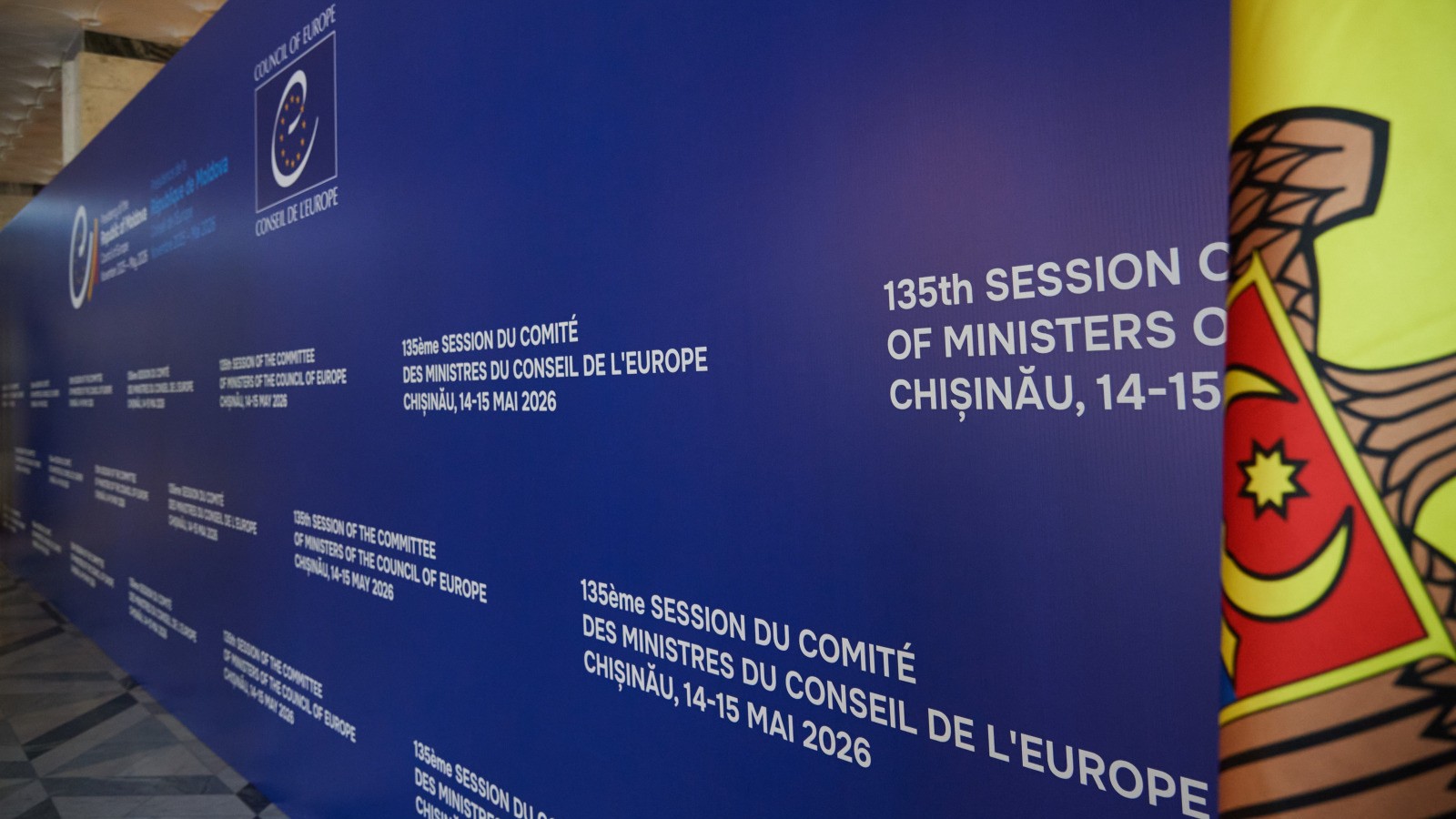
The declaration, agreed upon at a Council of Europe summit in Chișinău, Moldova, was signed by all 46 member states along with the European Union and several non-European countries. It calls for a reassessment of how the European Court of Human Rights in Strasbourg interprets migration cases, urging judges to give greater weight to national governments when balancing rights and public interest.
UK Foreign Secretary Yvette Cooper described the initiative as a “common-sense approach” and said it was designed to ensure that migration systems “can’t be unfairly gamed.” The agreement is not a formal rewrite of the European Convention on Human Rights (ECHR) but a political declaration intended to influence future rulings and policy direction.
The document states that countries have “the undeniable sovereign right” to determine immigration policy and remove foreign nationals in the public interest.
A key focus of the agreement is the interpretation of Article 3 of the ECHR, which prohibits torture and inhuman or degrading treatment. The Council of Europe statement says that migrants should not be able to prevent removal solely on the basis that conditions in their home countries fall below European standards, for example, in access to healthcare, except in “very exceptional circumstances.” It also reinforces that Article 8, the right to family life, should not automatically prevent deportation decisions.
In the UK, the debate has been intensified by political pressure to strengthen border controls. The human rights law has been used to block removals in cases, including the so-called “chicken nugget migrant,” an Albanian offender who avoided deportation partly due to his child’s refusal to accept ‘foreign’ food.
Among the three leading parties in Britain according to recent polling, only Labour supports remaining in the ECHR. At the Moldova meeting, ministers were also expected to discuss plans to send thousands of rejected asylum seekers to third-country hubs. The Conservative British government previously attempted a similar policy through the Rwanda scheme, but it was halted following legal challenges before Labour PM Keir Starmer scrapped it on his first day in office.
Political pressure has also grown across Europe. Italian prime minister Giorgia Meloni has led calls for reform of the European Convention on Human Rights, arguing that existing conventions were designed in a different era and no longer reflect modern migration realities.