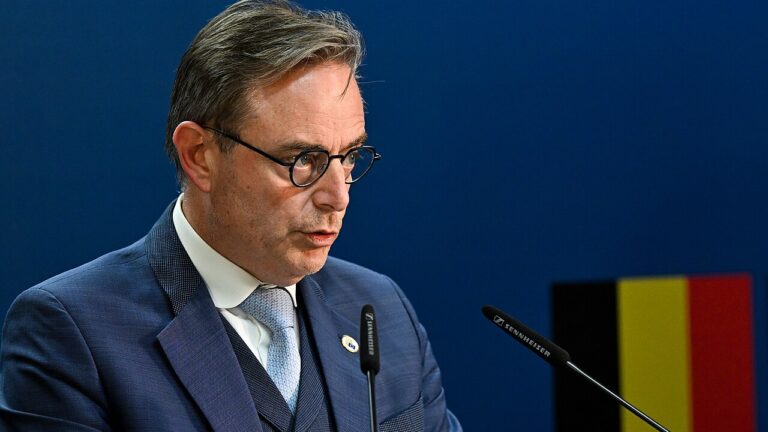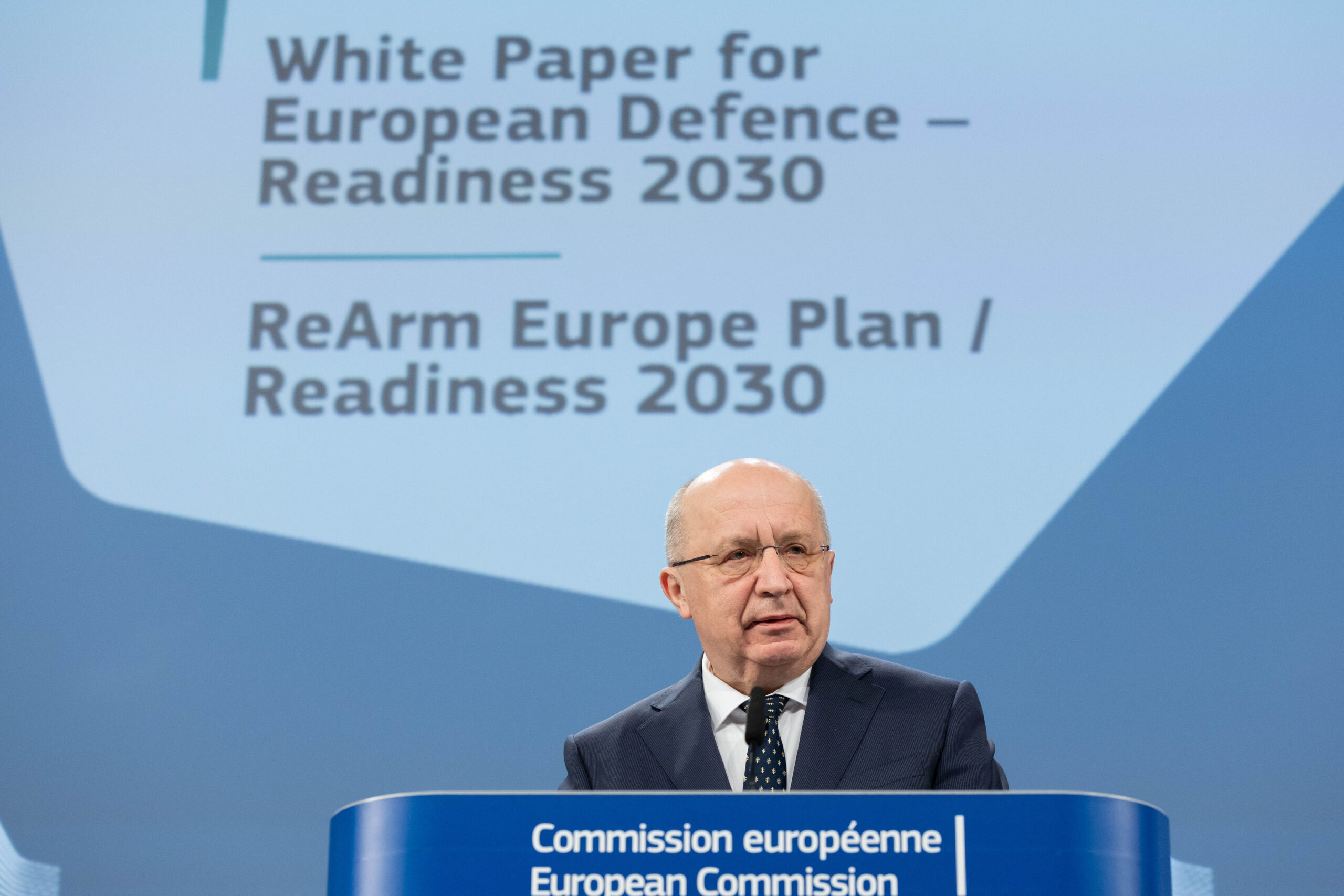
EU Defense Commissioner Andrius Kubilius
Jennifer Jacquemart / © European Union 2025, EC – Audiovisual Service
Only two-thirds of EU member states applied for ‘SAFE’ before the deadline on Tuesday, July 29th, opting to join the EU’s newest instrument to boost military readiness through joint arms procurement projects funded by EU-backed loans.
Despite more than 20 countries initially being open to the scheme, only 17 pitches arrived in time, far fewer than what Brussels had been hoping for to send a message of unity and determination.
The SAFE (‘Security Action for Europe’) is the backbone of the EU Commission’s ‘ReArm Europe’ scheme, aiming to simultaneously advance the rearmament of EU member states and Ukraine through cheap, long-term loans of up to €150 billion, backed by Brussels instead of individual countries with worse credit ratings.
Those deciding to take the opportunity include Belgium, Bulgaria, Cyprus, Czechia, Estonia, Spain, Finland, Hungary, Latvia, Lithuania, Greece, and Poland, among others, who collectively requested over €120 billion from the future pot.
Poland alone requested €45 billion, over a third of the total amount, which corresponds to its ambitious plan to reach NATO’s new 5% defense spending target by the end of 2026, nine years before the official 2035 deadline for allies.
However, despite heavy pressure from Brussels, frugal member states who are wary of common debt, such as Germany, Sweden, and the Netherlands, opted to stay out of the scheme.
Earlier this month, EU Defense Commissioner Andrius Kubilius tried to appeal to the hesitant countries by reminding them that SAFE was the best way to support Ukraine in multiple ways, such as buying weapons together with or directly for Kyiv, or purchasing from the Ukrainian defense industry.
“We strongly invite you to consider how to involve Ukraine in your plans. Procurement for Ukraine, with Ukraine, in Ukraine, can make a difference for our collective security,” Kubilius argued, apparently without much success.
The Commission will now assess and approve the requested funds by the end of November, including the immediate pre-financing, which could be as much as 15% of the total volume of the individual loans.
While member states submit their requests individually, they will be obliged to implement them through joint arms procurement, including at least two member states “as a rule,” in order to get better prices while buying weapons in bulk. These can include air defense and artillery systems, missiles and ammunition, drones, and military vehicles, as well as strategic and cyber equipment.
Furthermore, there’s a strict ‘Buy European’ clause in SAFE, stating that participants may only use the instrument to buy products from companies “established and headquartered” in the EU, the EEA/EFTA countries (Norway, Switzerland, and Iceland), and Ukraine. Member states will also have to ensure that components representing at least 65% of the cost of the end product also originate in Europe.
In order to allow quicker deliveries than what the EU defense industry could handle alone, the Commission also allowed purchases from third countries that sign a bilateral “Defense and Security Partnership” with the EU and commit to gradually deepen defense cooperation in matters of regional or global importance.
Countries with existing partnerships include Norway, Moldova, South Korea, Japan, Albania, and North Macedonia, as well as the latest addition to the club, the UK. British companies will now be able to benefit from the EU’s rearmament frenzy, while the U.S. arms industry will be locked out unless Washington agrees to at least partially align its approach to Ukraine with Brussels, which is unlikely.