Simon Dawson / No 10 Downing Street, OGL 3, via Wikimedia Commons
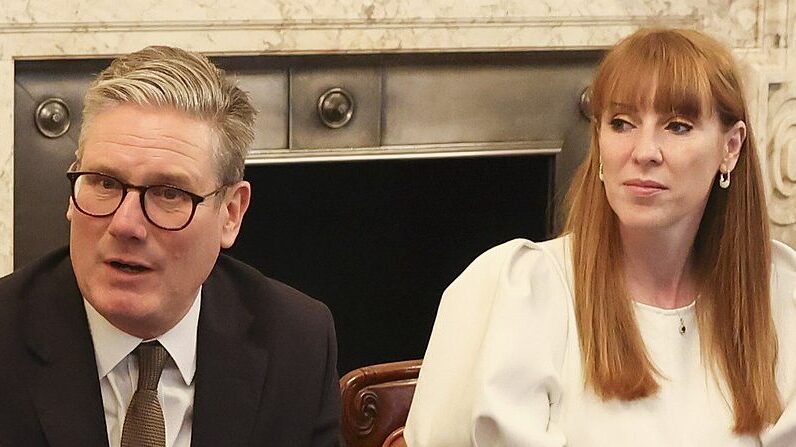
As the first anniversary of Labour’s 2024 election win grows closer, Prime Minister Keir Starmer faces a divided parliamentary party. Proposed cuts are part of a scheduled welfare reform vote on Tuesday, July 1st next week, pulling a section of Starmer’s own MPs away from supporting the PM.
Since coming to office, Labour has made much of the ‘£20 million black hole,’ a deficit supposedly inherited from its Tory predecessors. Cuts to public spending, rather than economic growth, has been the presumed fix for this—and a witless riposte to backbenchers who came to Labour because of their support for welfarism, even the politics of Jeremy Corbyn.
Consequently, at least 126 Labour MPs (and possibly more) have indicated that they will oppose the cuts involved in the Universal Credit and Personal Independence Payment Bill that would, in its opponents’ rhetoric, ‘hit the poorest in society.’ According to the Labour Left, even carefully targeted reductions in welfare spending are assumed to be harmful, even concealing a sinister ‘thinning the herd’ agenda.
The party leadership is inviting the ‘rebels’ to get around the table for talks and come up with an acceptable version of the legislation before Tuesday’s vote.
The parliamentary mathematics show what is at stake. Last year Labour achieved a 174-seat majority and a total of 411 seats, on just 34% of the vote: a huge parliamentary majority on a historically low turn-out. If the dissidents vote against, the proposals’ further progress through Parliament could be halted. The conduct of the opposition parties would be key: do they vote against in the hope of inflicting a defeat on the government? Or vote in line with their actual principles on disability benefits spending?
Such ‘principles’ are less clear cut than they would be if there was an ongoing collision between free marketeers and Keynesians in the House of Commons. As we have seen already, the government U-turn over £1.5 million (€1.76 million) cuts to winter fuel allowance—a near universal payment to pensioners, including millionaire pop stars—shows the perceived risks involved in alienating large swathes of the electorate.
Likewise, backbench Labour concerns about disability benefits reflect the party’s poor polling in the so-called ‘Red Wall,’ newly volatile electoral constituencies in England’s North and Midlands that were historically rock-solid Labour seats. With Nigel Farage’s Brexit Party first acting as the ‘gateway drug’ prompting a swing to Boris Johnson in 2019, followed by Johnson’s perceived betrayal and finally serious shift to Farage’s Reform UK in the most recent local elections, some MPs now see cuts to misnamed Personal Independence Payments (PIPs) as destroying Labour credibility in areas they have taken for granted.
Whereas Farage has made the case for scrapping the two-child cap on child benefits paid to parents—a positive, future-oriented policy to assist young families—Starmer wants to appease the markets and make his chancellor Rachel Reeves look like a safe pair of hands with the economy. One reason this is not flying with the electorate is that so few voters engaged with this project when the Labour government was formed. Starmer’s MPs helping to defeat their government’s welfare policy is unlikely to mend any fences with the wider British public.