Pressure that elections be held in war-torn Ukraine is this time coming neither from Washington nor Moscow, but from within Ukraine’s own political system. Mykhailo Fedorov, dismissed as defence minister in July, has called on the country to find a way to return to the ballot box even while the war continues.
“We must not allow Putin to decide when Ukrainians can choose their government,” Fedorov said in a video released just hours after Volodymyr Zelensky nominated Yevhen Khmara as the new defence minister. The appointment definitively closed the door on Fedorov returning to the post.
Timing is everything, and this case is no exception. Fedorov had rejected other positions offered by Zelenskyy and, until now, had not called for elections during the war.
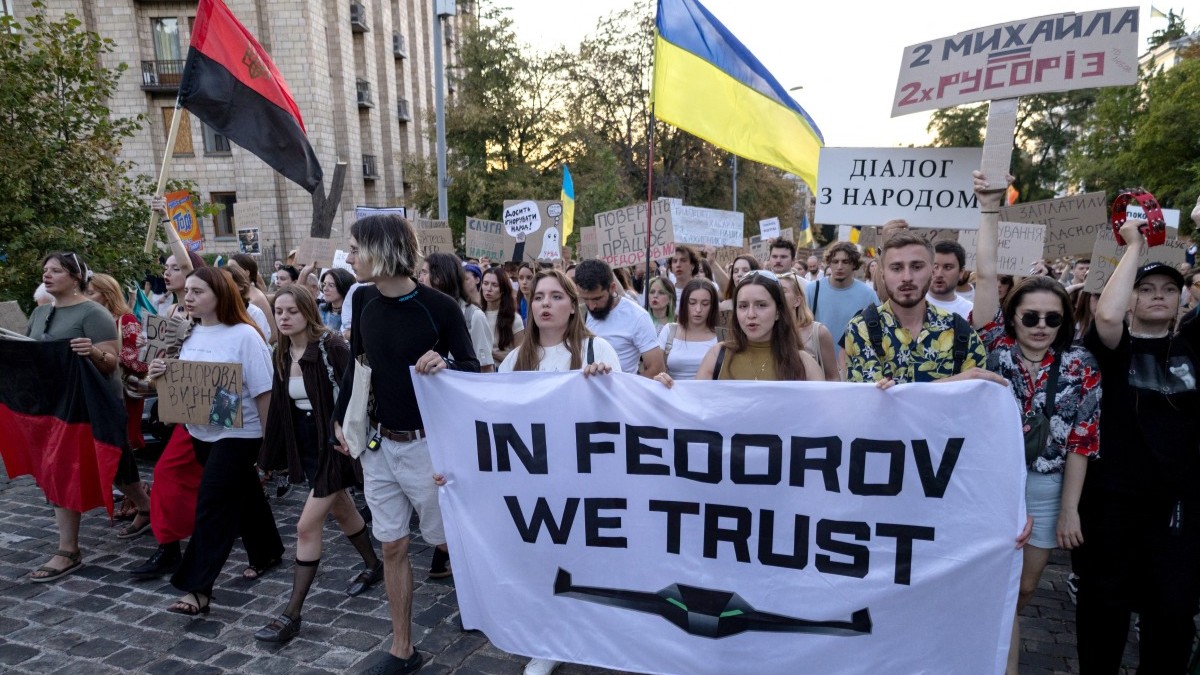
His dismissal triggered protests, and his intervention—focused no longer on defence but on democracy, corruption, transparency and political accountability—is beginning to give one of the government’s most popular former ministers a very different political profile.
Fedorov is not calling for an election tomorrow either. He is demanding that a mechanism be designed to make one possible.
Is that realistic in a country after four years of war?
Ukraine has been under martial law since Russia’s invasion in February 2022, and current legislation prohibits national elections while it remains in force. Even if that legal framework were changed, organising a credible election would be extraordinarily difficult. And credible in this cas must mean a process free from manipulation by the current executive.
Millions of Ukrainians have left their homes. Around 5.8 million refugees were living outside the country at the beginning of 2026, while the pre-war network of 102 diplomatic and consular polling stations would be insufficient. Added to this are deployed soldiers, internally displaced people, and citizens from occupied territories.
Nor is simply opening polling stations enough. The voter register would have to be updated, ballot secrecy guaranteed, polling stations protected from attack, and independent observers allowed to operate. The Central Election Commission itself has warned about the risks of postal and digital voting and estimates that it would need at least six months to prepare once the legal and security conditions were in place.
Under current circumstances, this is closer to wishful thinking than a realistic proposal.
Zelenskyy has argued that elections first require a ceasefire and security guarantees. But any negotiation capable of ending the war could lead to decisions on territory, security, or Ukraine’s future relations with Russia, all of which would require strong domestic legitimacy.
A president elected before an agreement was concluded would have a fresh mandate to negotiate those terms. Waiting until afterwards would make it possible to hold a safer vote, but it would leave the incumbent executive facing what could be the most difficult decisions of the entire war, without having gone before voters since 2019.
Fedorov has placed that contradiction at the centre of the debate. And he has done so just as his time inside the government appears to have come to an end.