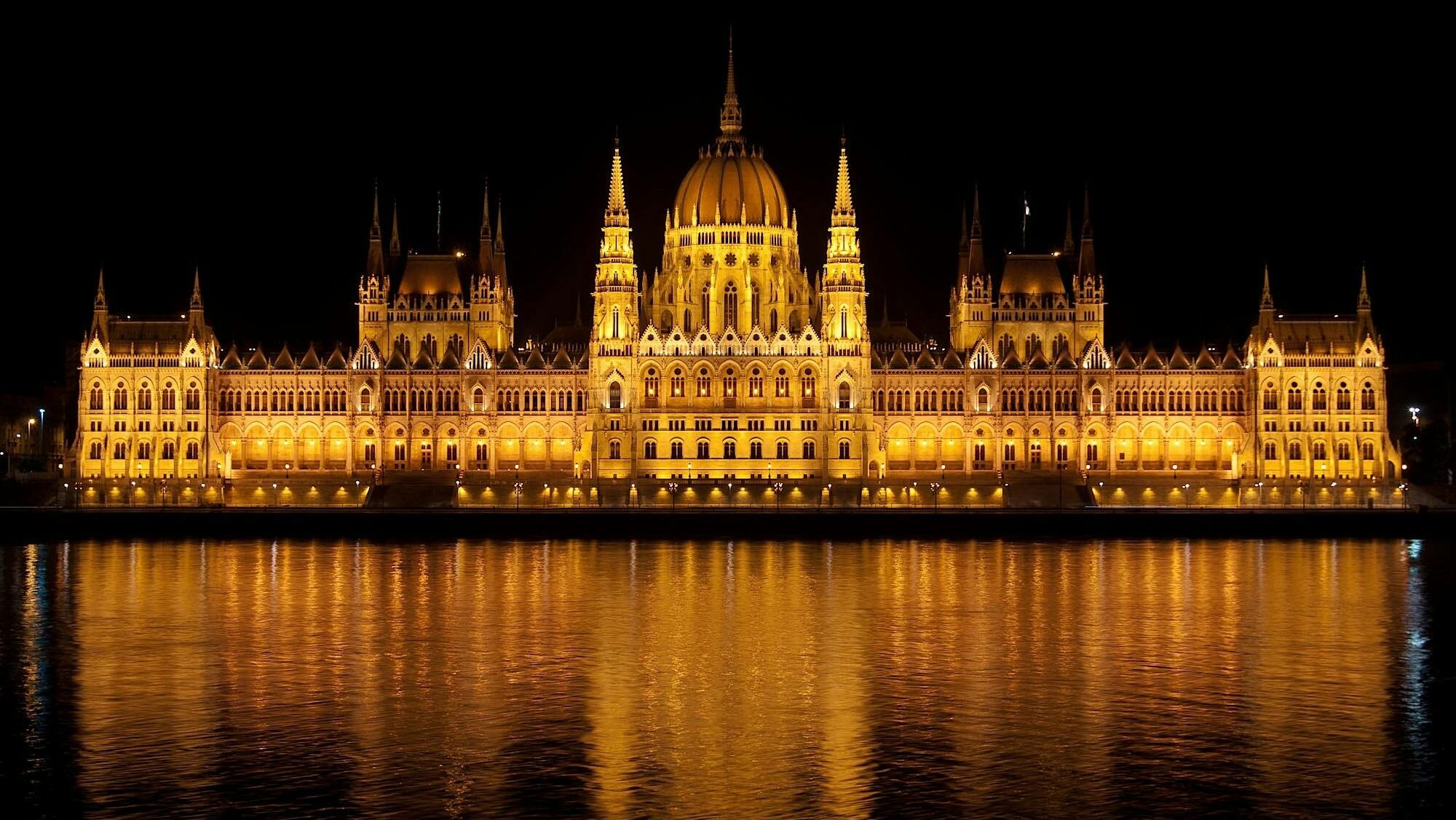
The debate over Ukraine in the European Parliament turned into yet another coordinated attack on Hungary. The possibility of Budapest hosting an international conference to push for a ceasefire was perceived as a direct challenge to Brussels’ official stance, which continues to insist on a “just peace”—but only on Kyiv’s terms.
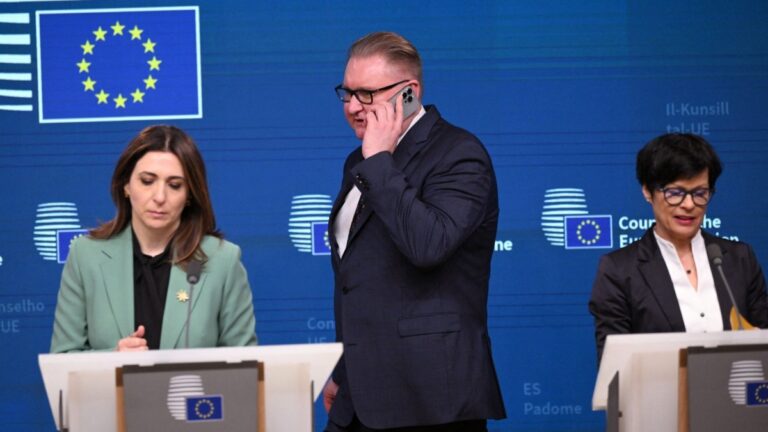
Swedish Commissioner Jessika Roswall opened the session by declaring that “Putin will only negotiate when he understands he’s losing the war,” making it clear that, for now, the EU sees no strategy beyond military means. Beside her, Danish Minister Marie Bjerre, speaking on behalf of the Council, reinforced that line by asserting that “European unity is measured by unconditional support for Ukraine,” urging the adoption of the 19th package of sanctions against Russia and the acceleration of EU enlargement as a “guarantee of security.”
However, from the Patriots for Europe (PfE) group, Hungarian MEP György Hölvényi argued that “courage is not only found on the battlefield, but also at the negotiating table.” In a calm yet defiant tone, he warned that “perpetual war funding is not a strategy, but a form of self-deception,” adding that “Europe could go down with this war.” His fellow Hungarian, András László, also from PfE, was even more direct: “European leaders attack those who seek peace, but peace does not mean surrendering to Putin—it means saving lives.”
Their statements sparked outrage among major parliamentary groups. French MEP Nathalie Loiseau (Renew) accused Budapest of “rolling out the red carpet for a war criminal,” while Raphaël Glucksmann (S&D) declared that “if Putin sets foot on European soil, he should be arrested and taken to The Hague.” The Greens and the radical Left joined the chorus of condemnation, warning that “a peace dictated by Moscow would not be peace, but occupation.”
As the session progressed, the atmosphere took on an almost inquisitorial tone. Any mention of a ceasefire was dismissed as naïve or labeled “Kremlin propaganda.” Still, several MEPs from Eastern Europe—particularly from Hungary, Slovakia, and some within the European Conservatives and Reformists (ECR) group—cautioned that the economic and social toll of the war is eroding the continent’s stability. “People don’t want more sanctions or inflation—they want hope,” one said.
Meanwhile, Brussels maintains a double discourse: it condemns Moscow but continues to buy Russian gas through intermediaries; it demands unity but is increasingly divided within; and it claims to defend freedom while silencing any voice that calls for negotiations. In such a climate, merely uttering the word “Budapest” now feels like a provocation.