Justin TALLIS / AFP
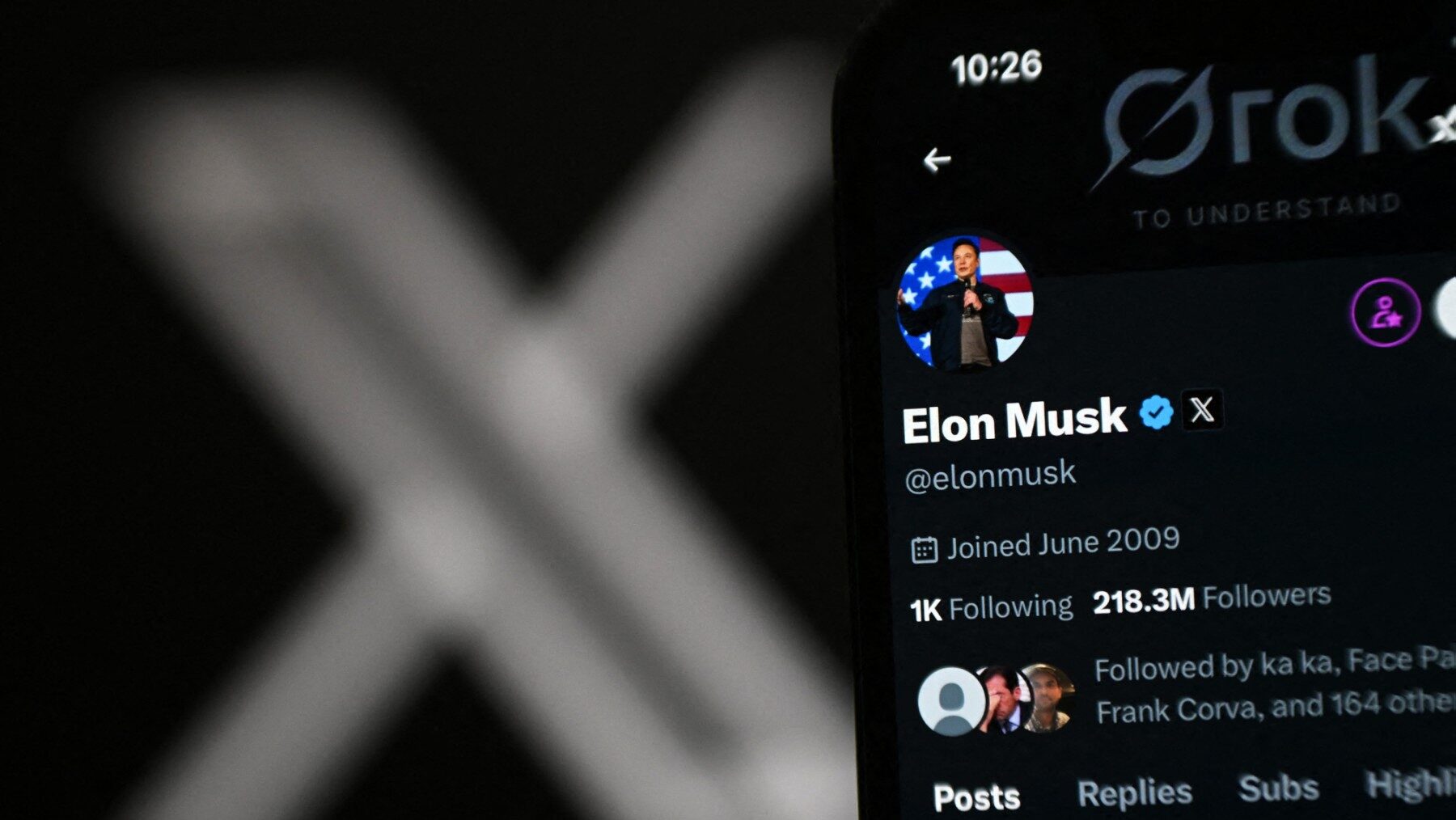
Washington has pushed back against Brussels after EU regulators fined Elon Musk’s platform X earlier this month, with U.S. lawmakers warning that the move could set a global precedent for how online speech is policed.
The dispute centres on a €120 million penalty imposed by the European Commission under the EU’s Digital Services Act (DSA), a far-reaching law that gives Brussels new powers over the world’s largest online platforms. EU officials say the fine is about transparency and compliance; critics in Washington argue it shows how European regulation can be used to pressure foreign companies far beyond the EU’s borders.
Announced in early January, the sanction was the first imposed on a major platform under the DSA, which came fully into force last year. The Commission said X failed to meet several requirements, including rules on transparency, researcher access to data, and the design of certain platform features.
U.S. lawmakers say their concerns sharpened after they obtained the Commission’s full decision through a formal subpoena. The 183-page document, which they have since published, sets out the legal and technical reasoning behind the fine and, in their view, reveals how expansively Brussels is interpreting its new powers.
The penalty is split into three main parts. Around €45 million relates to X’s paid verification system, known as the “blue check.” Regulators argue that because the badge is no longer tied exclusively to verified identities, it could mislead users. While the decision concedes no concrete harm has been shown, it says the risk of confusion alone breaches transparency rules.
🚨@JudiciaryGOP subpoenaed Europe’s secret 183-page censorship order to X 🚨
— House Judiciary GOP 🇺🇸🇺🇸🇺🇸 (@JudiciaryGOP) January 28, 2026
The @EU_Commission’s first ever fine under the Digital Services Act (DSA) was against @X and @elonmusk for €120 million—nearly 6% of its GLOBAL revenue—for defending free speech.
Now we know why:… pic.twitter.com/FdLUScvkdQ
Another €40 million targets X’s refusal to grant broader access to platform data for approved researchers. Brussels says the restrictions hinder independent scrutiny of risks such as disinformation. U.S. lawmakers counter that the Commission is seeking data that could include users and content with no connection to Europe, raising concerns about how far EU rules are being applied beyond its borders.
The remaining €35 million relates to flaws in X’s advertising repository, which regulators say failed to meet required standards for usability and searchability.
The European Commission has defended the fine as proportionate and insists the DSA is not intended to regulate opinions or political speech. Officials say the rules are ideologically neutral and apply equally to all companies operating in the EU market.
From Washington’s perspective, however, the case goes beyond X alone. Lawmakers warn that the threat of heavy fines—or even exclusion from the European market—could pressure foreign platforms to reshape their internal policies to meet EU expectations, with broader consequences for how online speech is governed worldwide.