

Armenia: EU To Escalate Its Response As Crisis in Nagorno-Karabakh Deepens
Facing a humanitarian crisis and an intransigent Azerbaijani regime, calls are mounting for a stronger EU intervention.

Facing a humanitarian crisis and an intransigent Azerbaijani regime, calls are mounting for a stronger EU intervention.
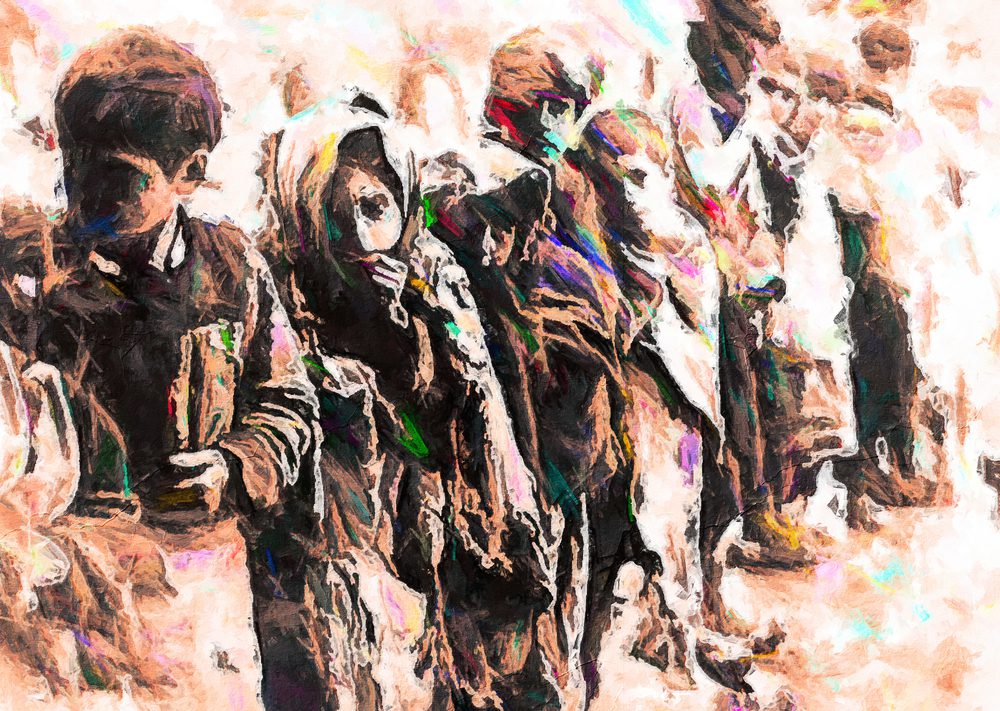
This is not the first time that the Lachin corridor has been blocked by the Azeris. But never before has this vital artery been cut off for so long.

Western powers have helped embolden Azerbaijan. Between 2018-2019, the U.S. gave more than $100 million in military aid to Azerbaijan.

On Friday morning, Armenia and Azerbaijan accused each other of violating their recent ceasefire agreement, only one day after the Armenian prime minister addressed the UN to accuse Azerbaijan of committing “unspeakable atrocities.
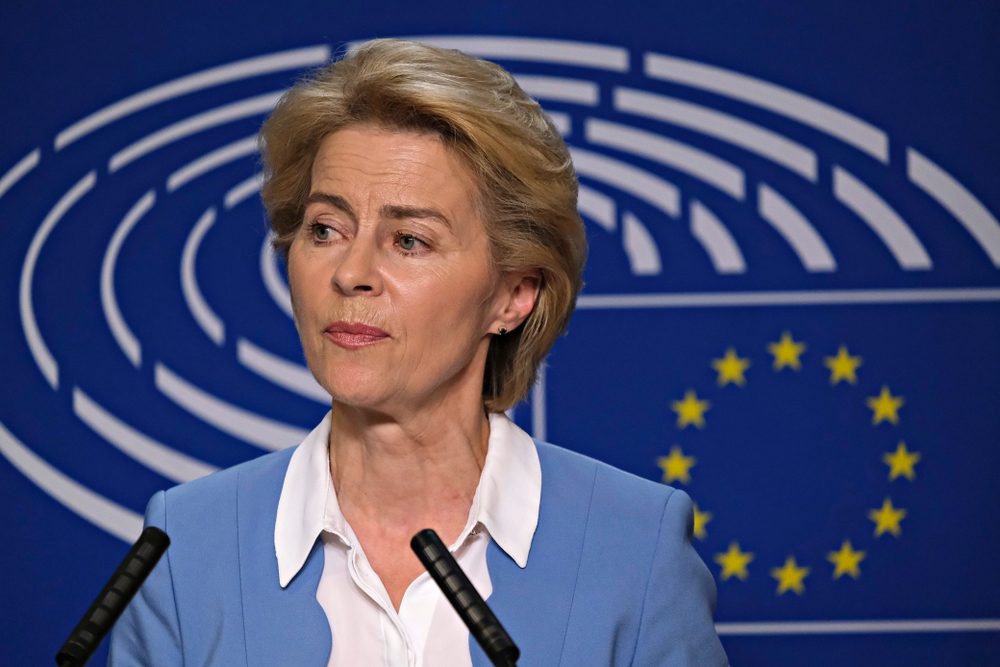
Confronted on the EU’s stance towards the Azerbaijani aggression against Armenia, the EU Commission released a statement confirming the gas partnership with Azerbaijan.

Several international politicians have publicly condemned the Azerbaijanian attack on Armenia, but the German foreign ministry refuses to name an aggressor. The recent European gas deal with Azerbaijan might have something to do with this.
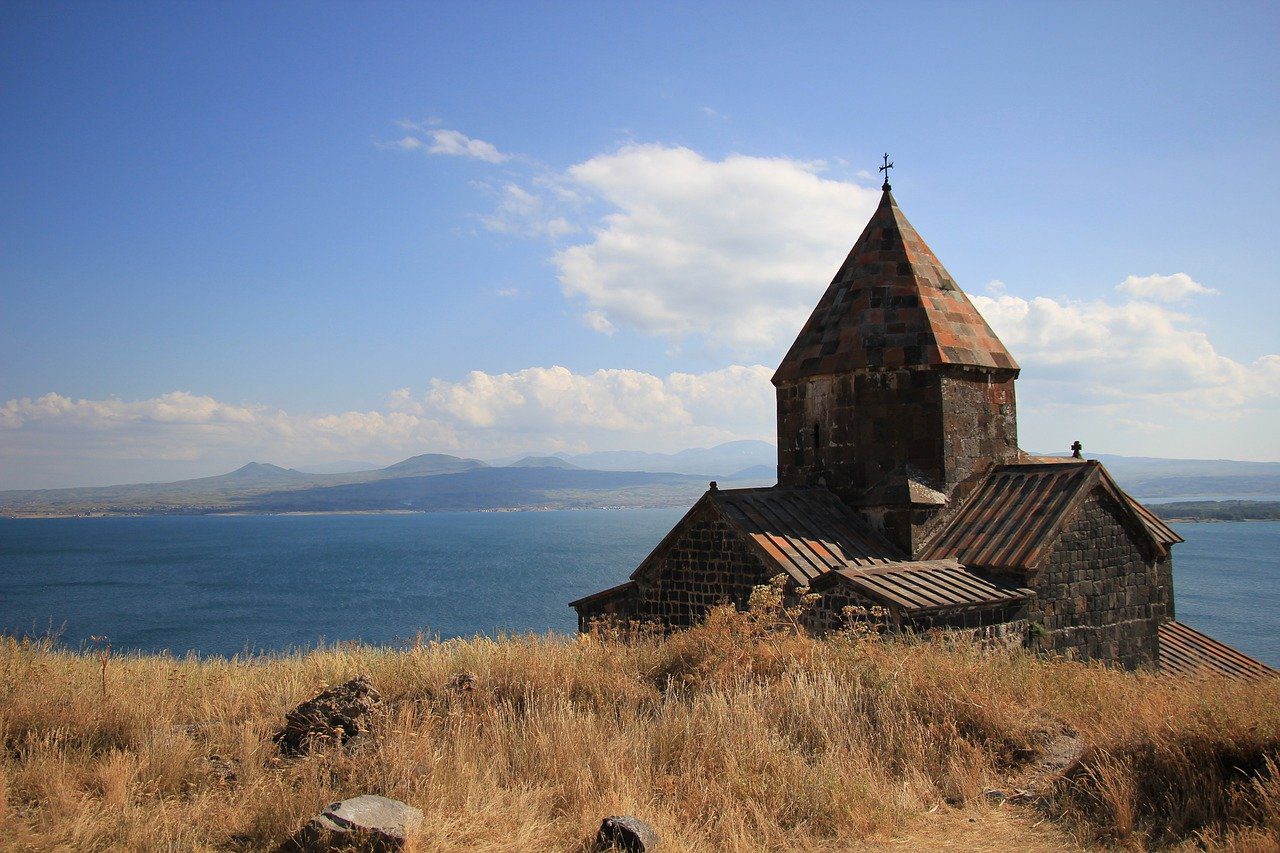
Following the attacks on Armenian territory by Azerbaijani forces, the German Diocese of the Armenian Church released an “urgent request” calling for national and international support “to work towards ending this escalation.”

Armenian Prime Minister Pashinyan said he hoped for “an appropriate response from the international community” to Azerbaijan’s aggression. For the time being, a response is slow in coming.
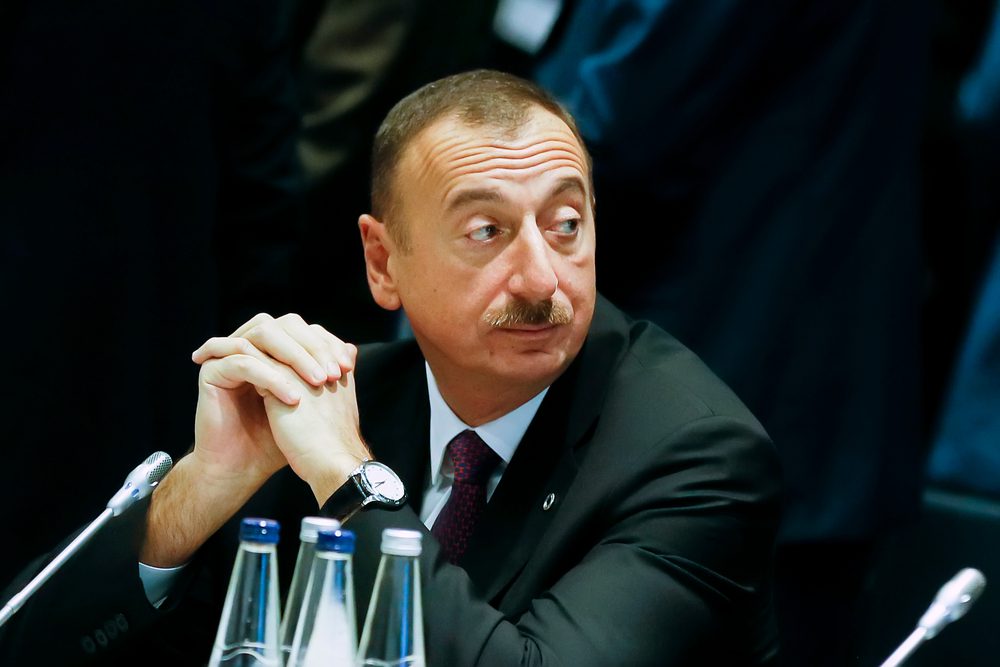
“By choosing Azerbaijan as a gas supplier, Mrs. von der Leyen is in fact weakening the European Union,” the French MPs said.

Azerbaijan is taking advantage of the conflict between Russia and Ukraine, and the diversion of the international community’s attention, to establish its dominance over the Armenian population.