Europe Is Splitting Into a Two-Tier Economy
While the core countries, centered around the French-German-Italian triad, struggle with a stagnant economy, outliers attract business investments and in return get strong GDP growth.

While the core countries, centered around the French-German-Italian triad, struggle with a stagnant economy, outliers attract business investments and in return get strong GDP growth.

Figures reveal a widening divide between high-crime Western states and far lower rates in Central and Eastern Europe.

Since 2012, there have been more deaths than births in the EU every year, making migration the only driver of population growth.
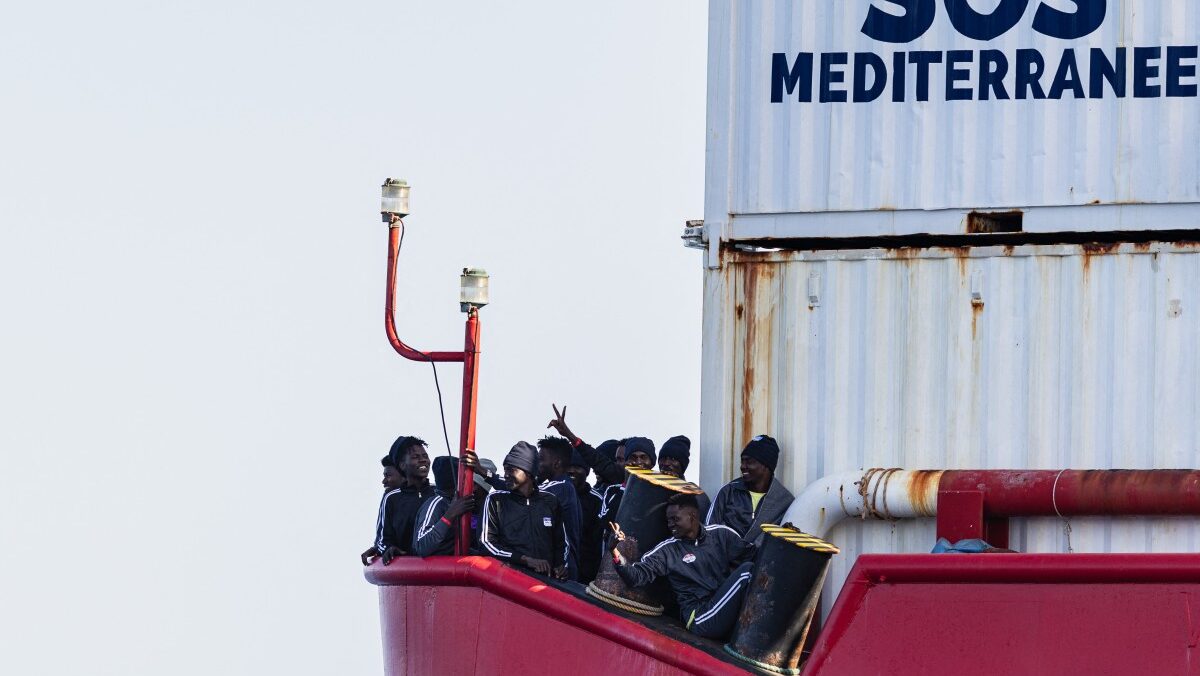
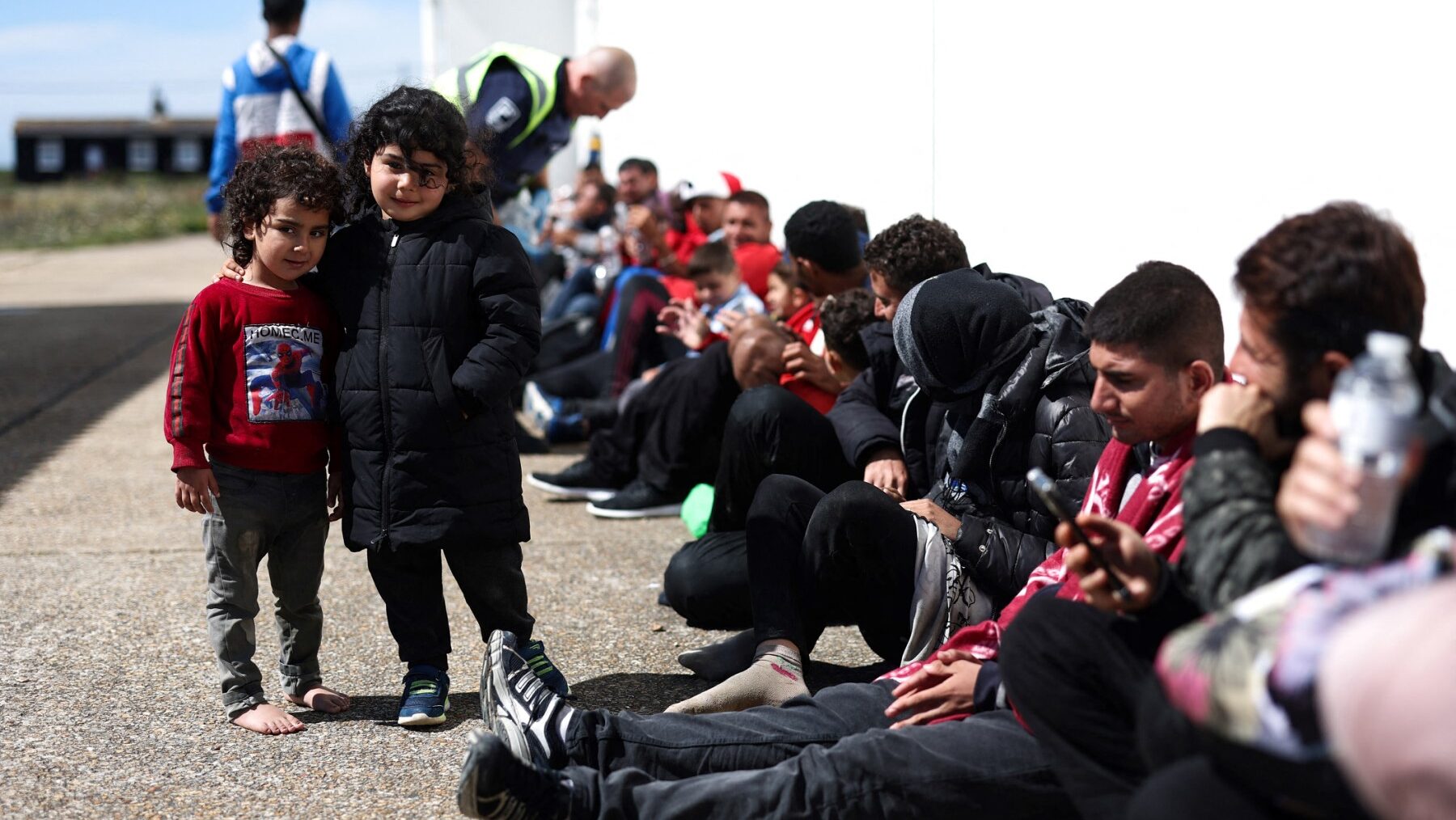
There seems to have been little if no progress in curbing the endless flow of migrants into Western European countries.
As a reflection of its strict immigration policies, Hungary saw fewer asylum seekers than even Liechtenstein.
Women make up two-thirds of all victims while a majority of traffickers are men.
Eurostat’s flash estimate shows annual inflation in the euro area dropping to 2.2% in March 2025 from 2.3% in February.

What can the past 20 years tell us about Europe’s economic future?

The asylum surge into the EU continues unabated as 76,505 first-time asylum applicants arrived in Europe in February 2023.

Accounting for 41% of all positive decisions made by EU member states, Germany by far registered the highest number of asylum requests granted in 2022.