
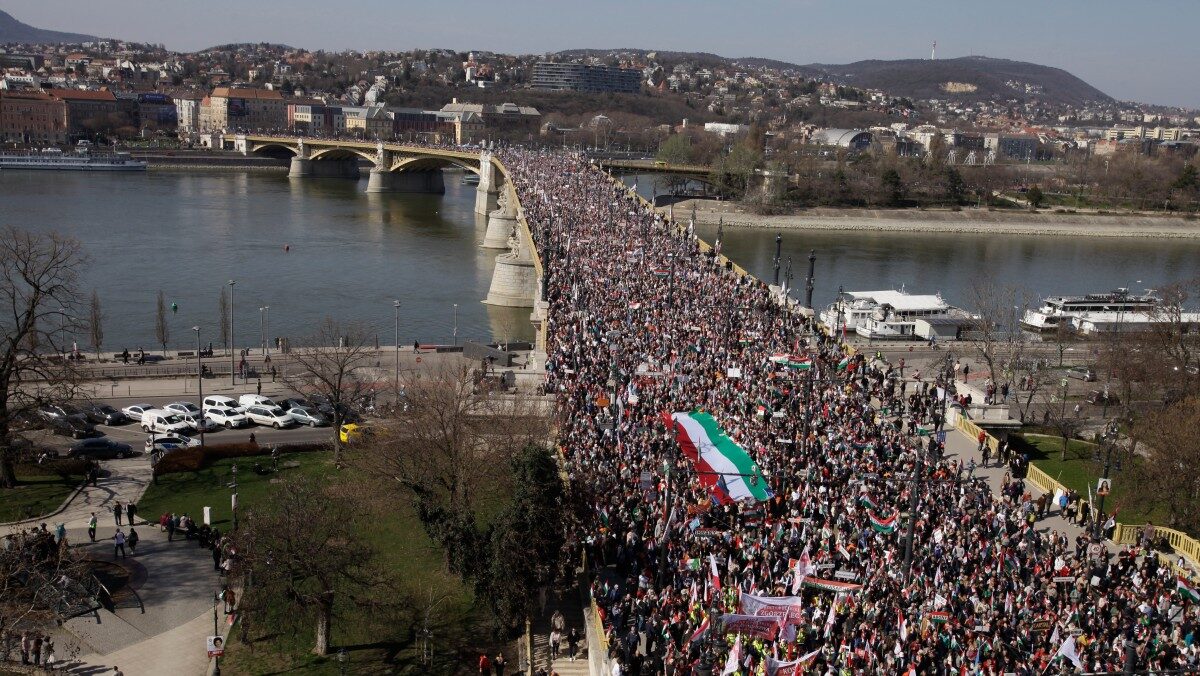
Illiberalism Is Not an Ideology—It Is a Common-Sense Revolution
The underlying grievance of Western critics is not a lack of democracy, but rather our refusal to simply nod in agreement with the Brussels consensus.

The underlying grievance of Western critics is not a lack of democracy, but rather our refusal to simply nod in agreement with the Brussels consensus.
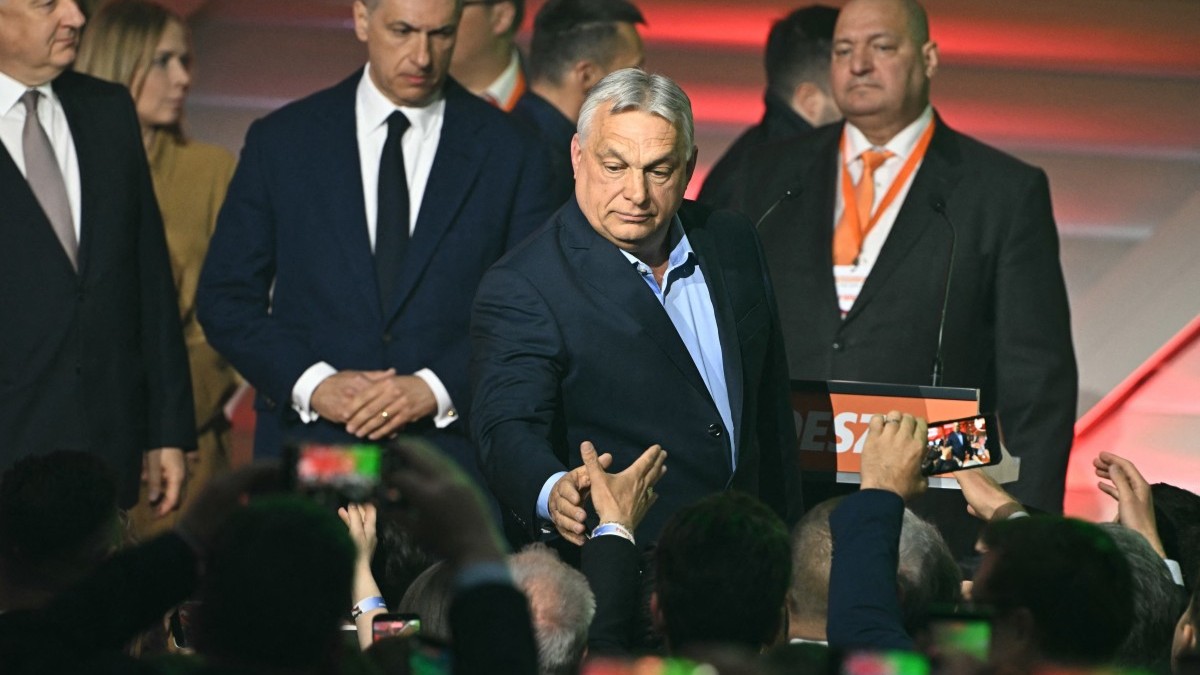
Fidesz will “reorganise ourselves in the coming weeks,” before working towards success in the next election.
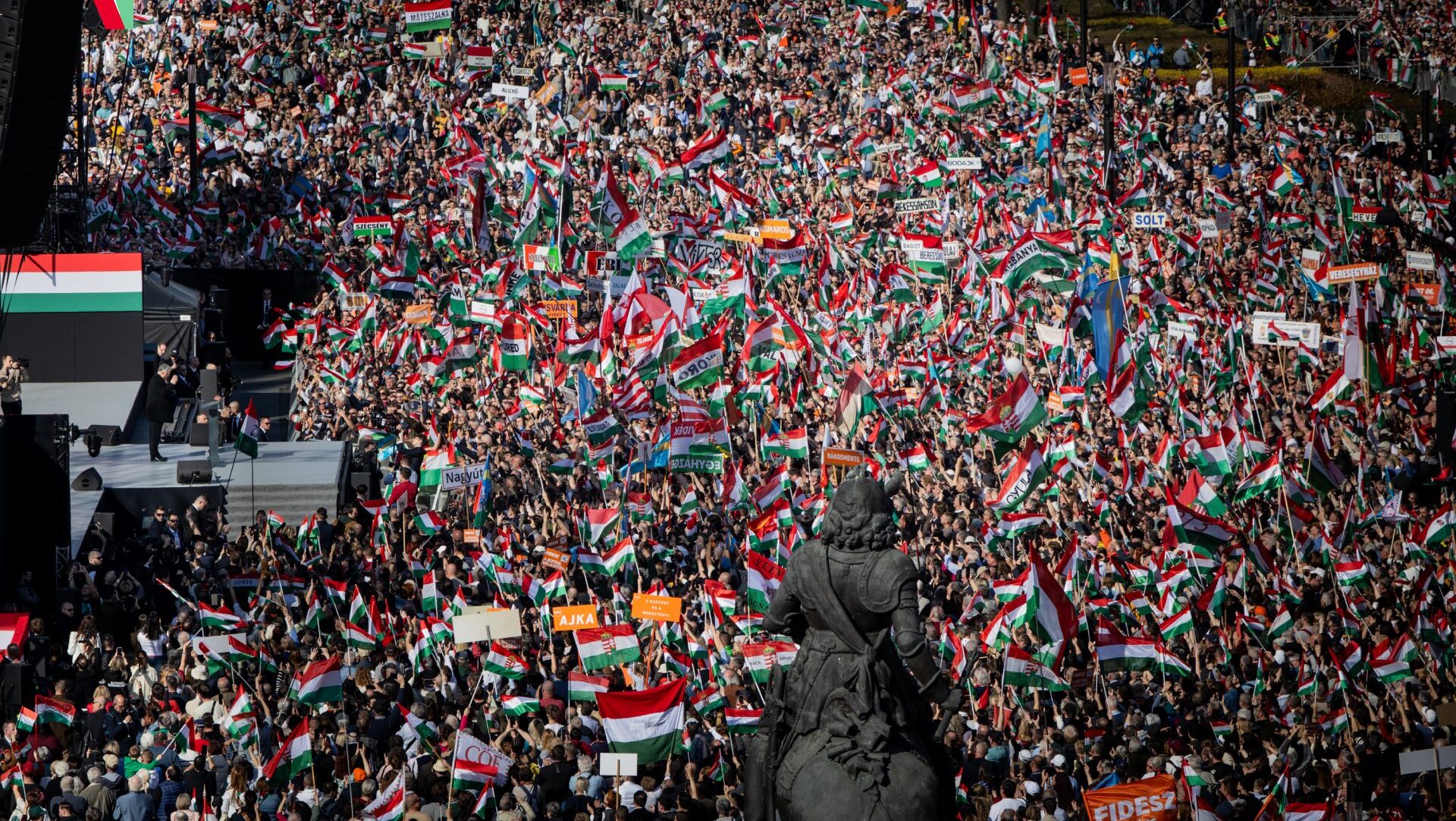
Join our team in Budapest for real-time updates and exclusive insights as Hungary heads to the polls in this pivotal election.
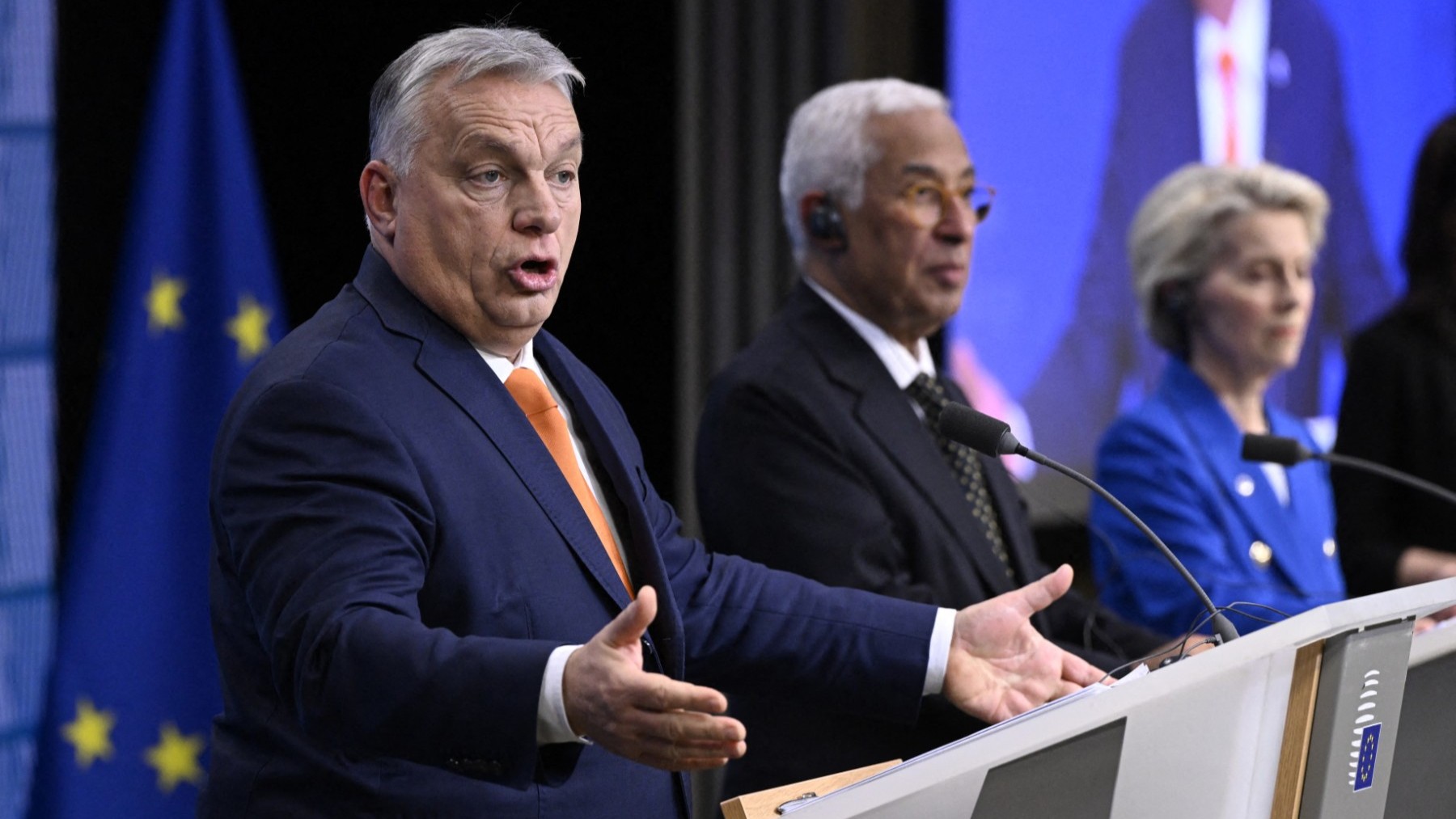
“What bothers Brussels is not just that Hungary stands out, but that this alternative could become popular among a majority of Europeans over time.”

The Brussels- and Kyiv-aligned ecosystem that produces inflated polling numbers is now preparing the next step: if Péter Magyar wins, it is democracy; if he loses, it must be fraud or ‘foreign interference.’
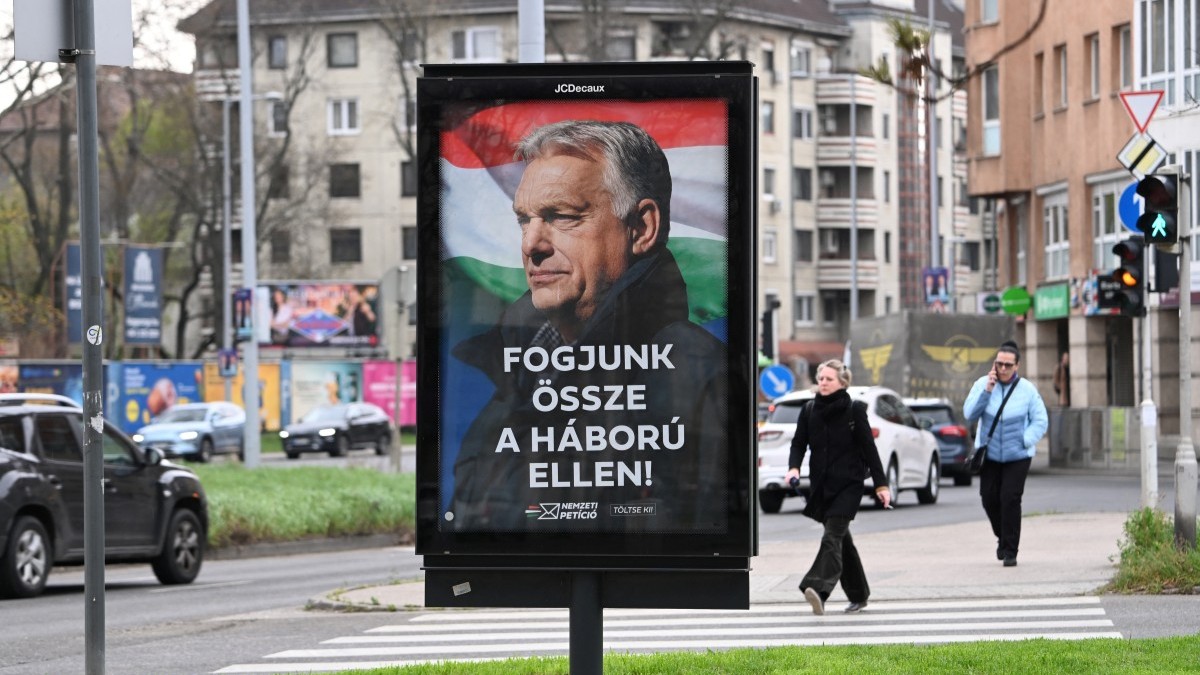
While close-to-the-opposition polls predict a Fidesz defeat, some EU countries are already drafting plans to prevent a sixth Orbán government from “derailing” decision-making processes.

A report indicates that computer professionals had ongoing ties to the Ukrainian embassy in Budapest—and previous connexions to Ukrainian intelligence.

An ‘independent’ journalist reveals his dealings with foreign agencies and the Tisza Party in a secretly recorded conversation.
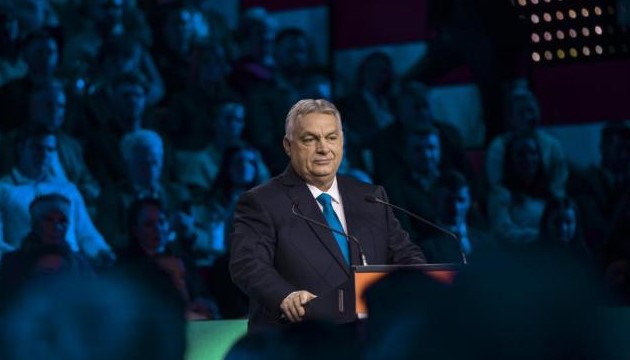
The Hungarian PM emphasised the protection of national sovereignty, the expansion of family support, and the continuation of economic goals—while sharply criticising his domestic political opponents and Brussels.

“Reliable numbers show that Fidesz is leading,” analyst says as Hungary heads towards a knife-edge election.