

International Energy Agency Warns War Is Reshaping Global Energy Investment
The IEA chief suggests the world is facing its largest energy security crisis, comparable to the oil shocks of the 1970s.

The IEA chief suggests the world is facing its largest energy security crisis, comparable to the oil shocks of the 1970s.
While Brussels promises to cut Moscow’s energy dependence, countries like France and Spain continue buying Russian gas as if nothing had changed.

Finance ministers from five major EU economies have issued a joint ultimatum to Brussels, demanding a ‛contribution instrument’ to redistribute the record profits currently being harvested from consumers.
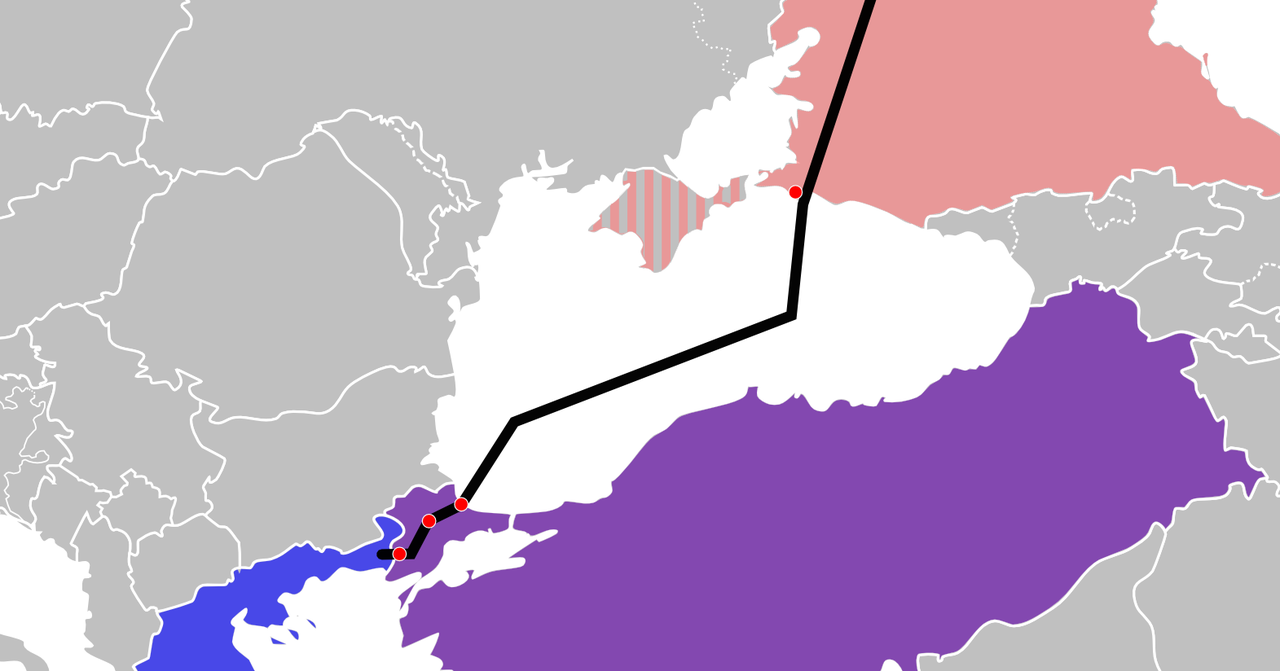
Energy giant Gazprom said Russia thwarted a UAV attack targeting the Russkaya compressor station, a key part of the TurkStream gas pipeline linking Turkey and Europe.

Fearing a fresh surge in energy prices, Brussels is fast-tracking a new cooperation framework with Baku that extends beyond gas into defense and security.
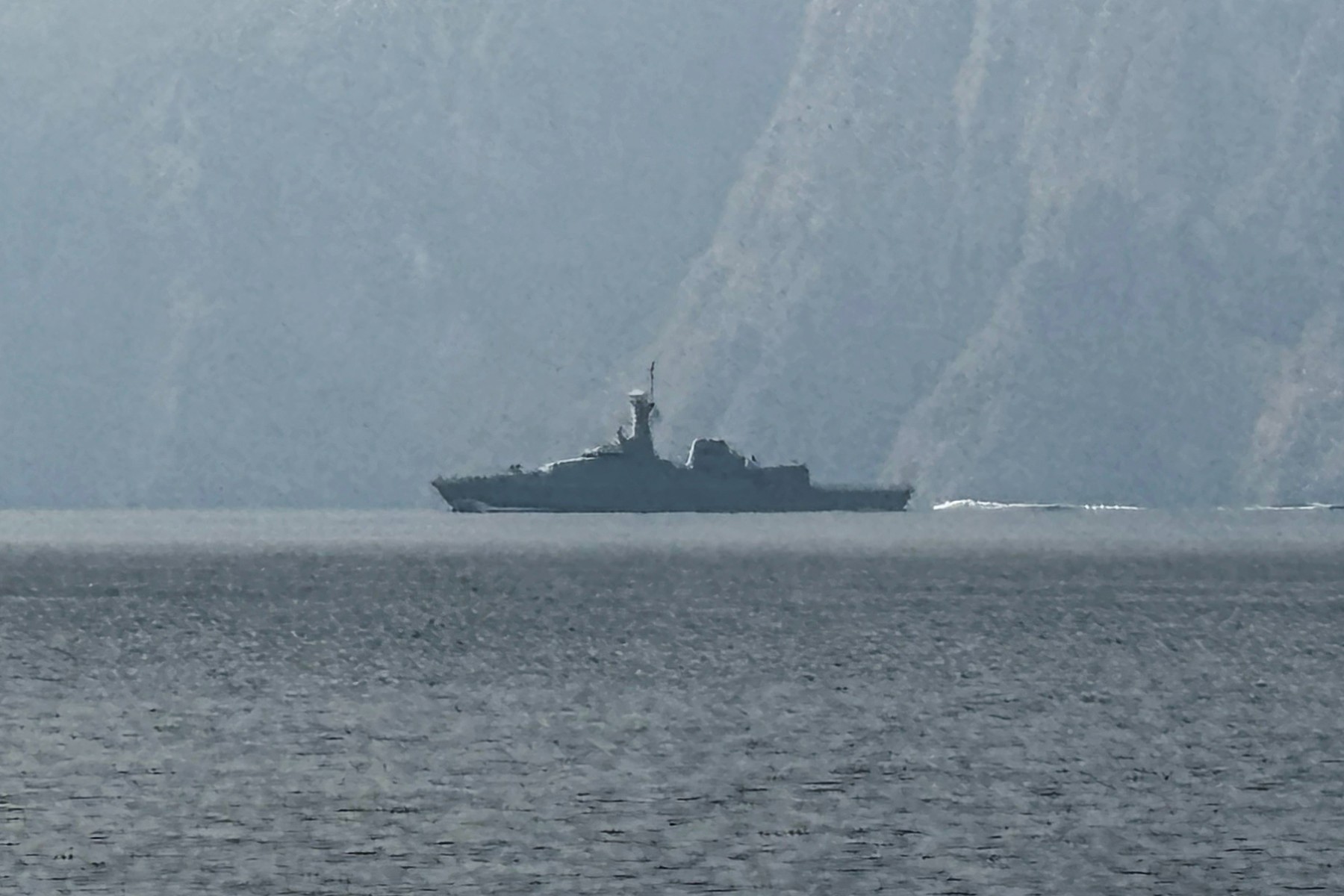
The United States has targeted Iranian minelaying vessels that menace the narrow entrance to the Persian Gulf.
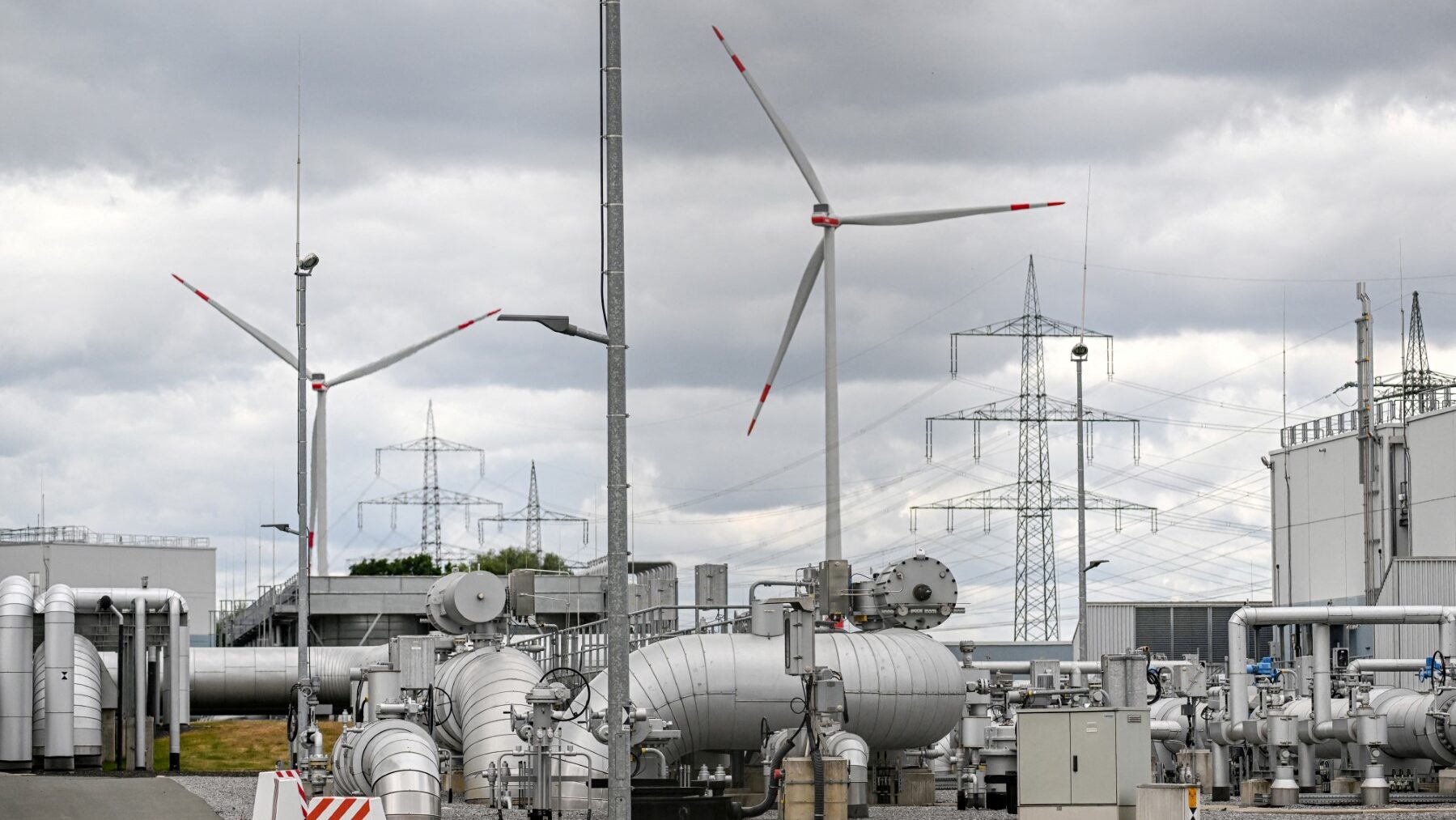
Oil prices spike, LNG deliveries slow, and EU capitals reopen old fault lines over supply security.
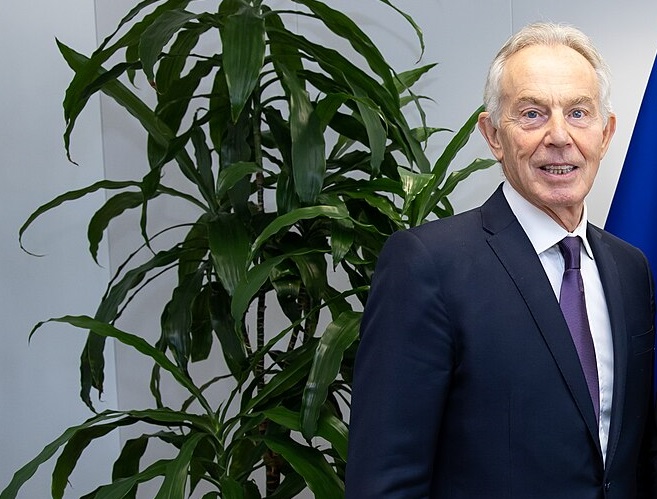
According to the British ex-PM’s think tank, the Labour government’s current eco-friendly energy policies are pushing up energy prices.

The European Commission has proposed a new package of sanctions designed to significantly reduce Russian oil and gas revenues—with the stated aim of weakening war financing and further isolating Russia economically.
Despite new supply agreements with U.S. and European firms, Russian gas is set to remain Hungary’s key energy source in the months and years ahead.